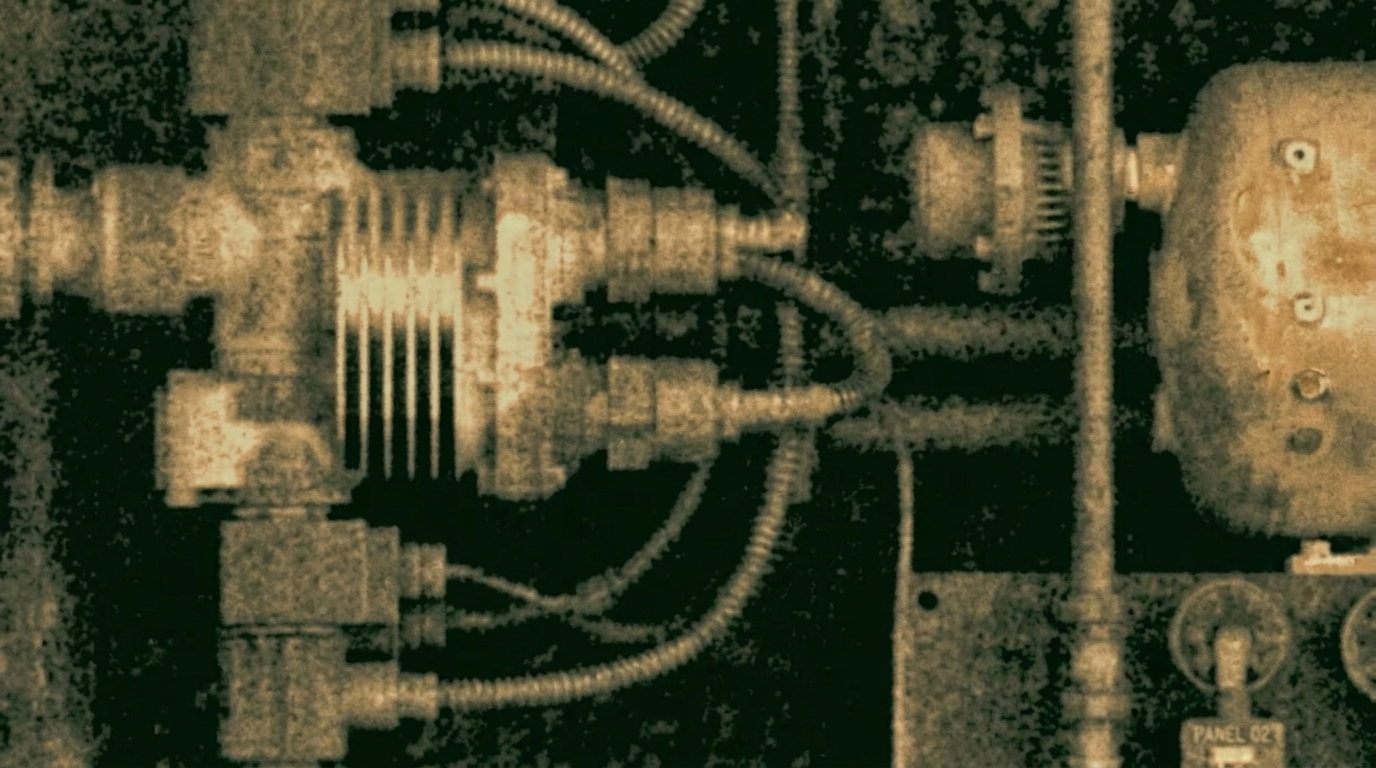
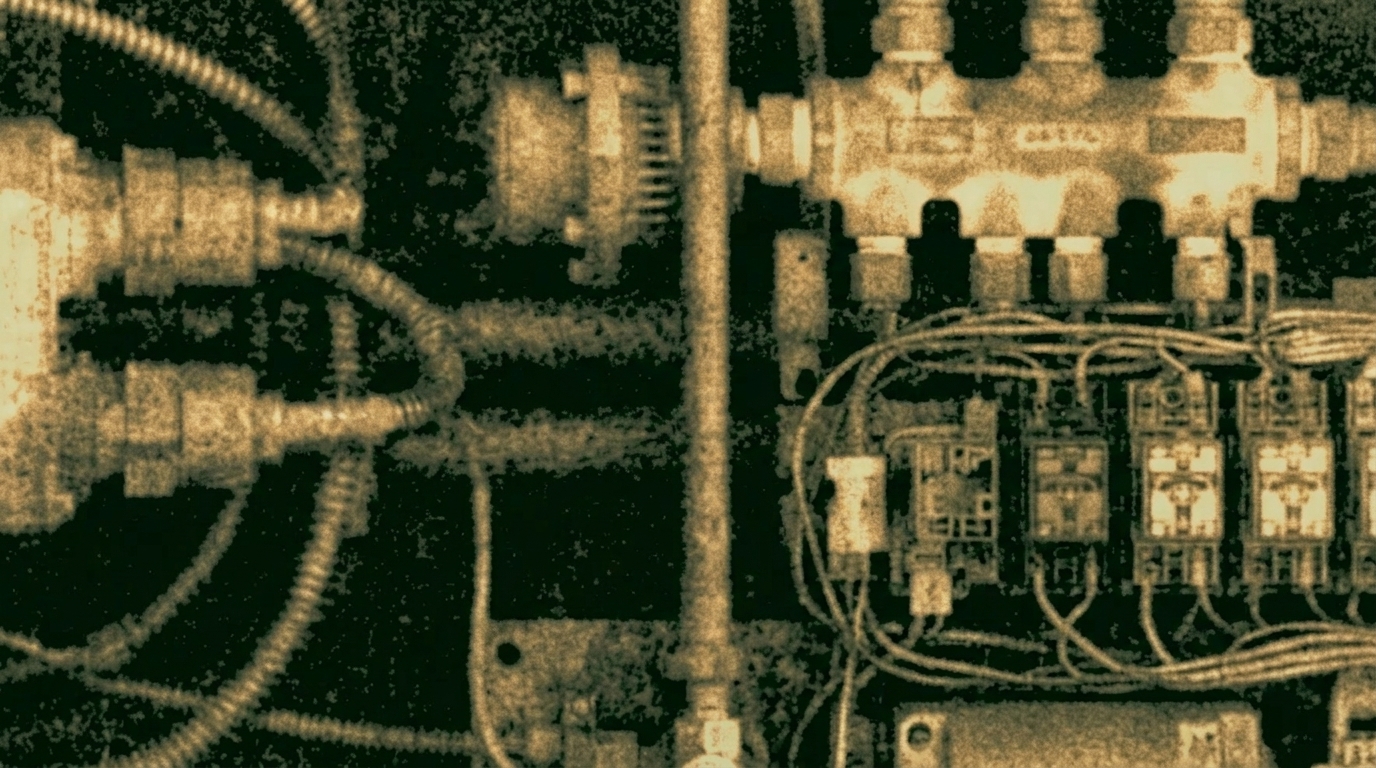
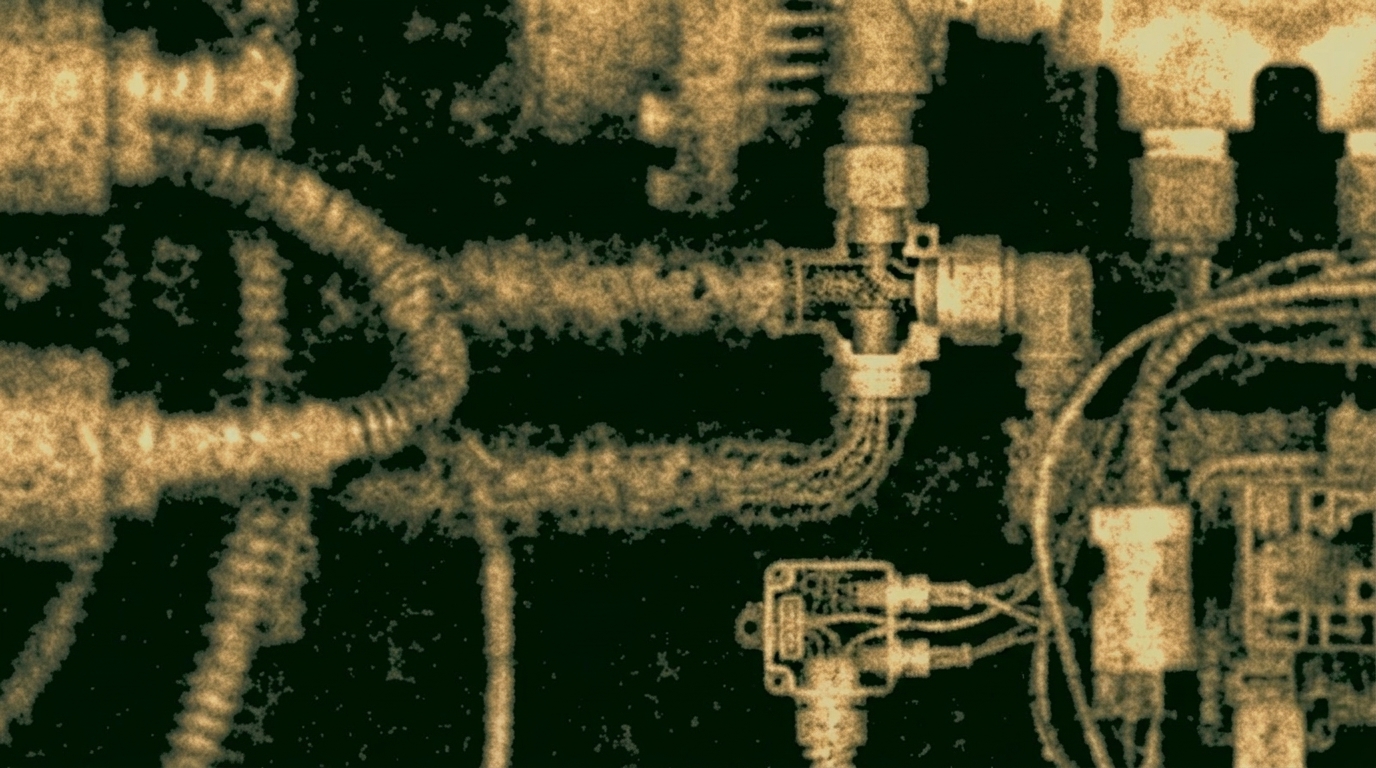
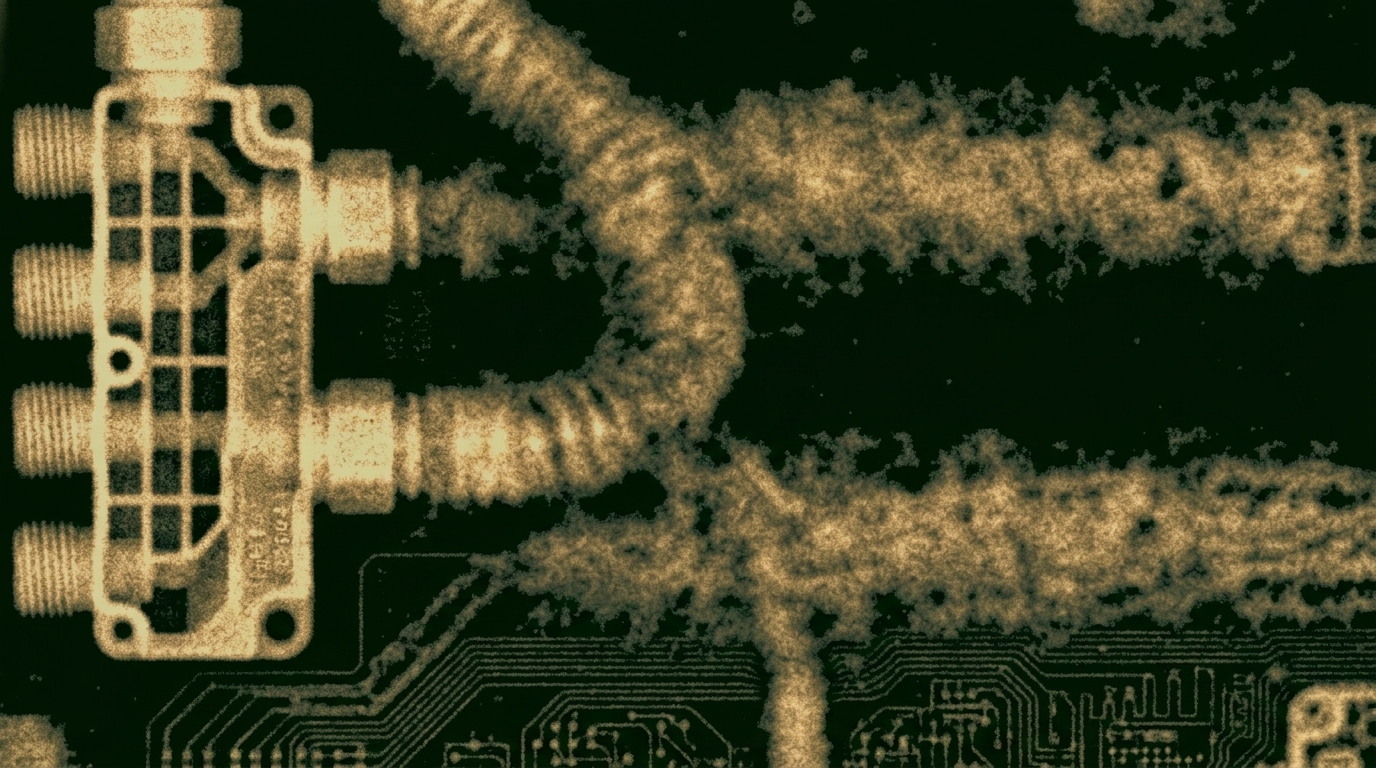
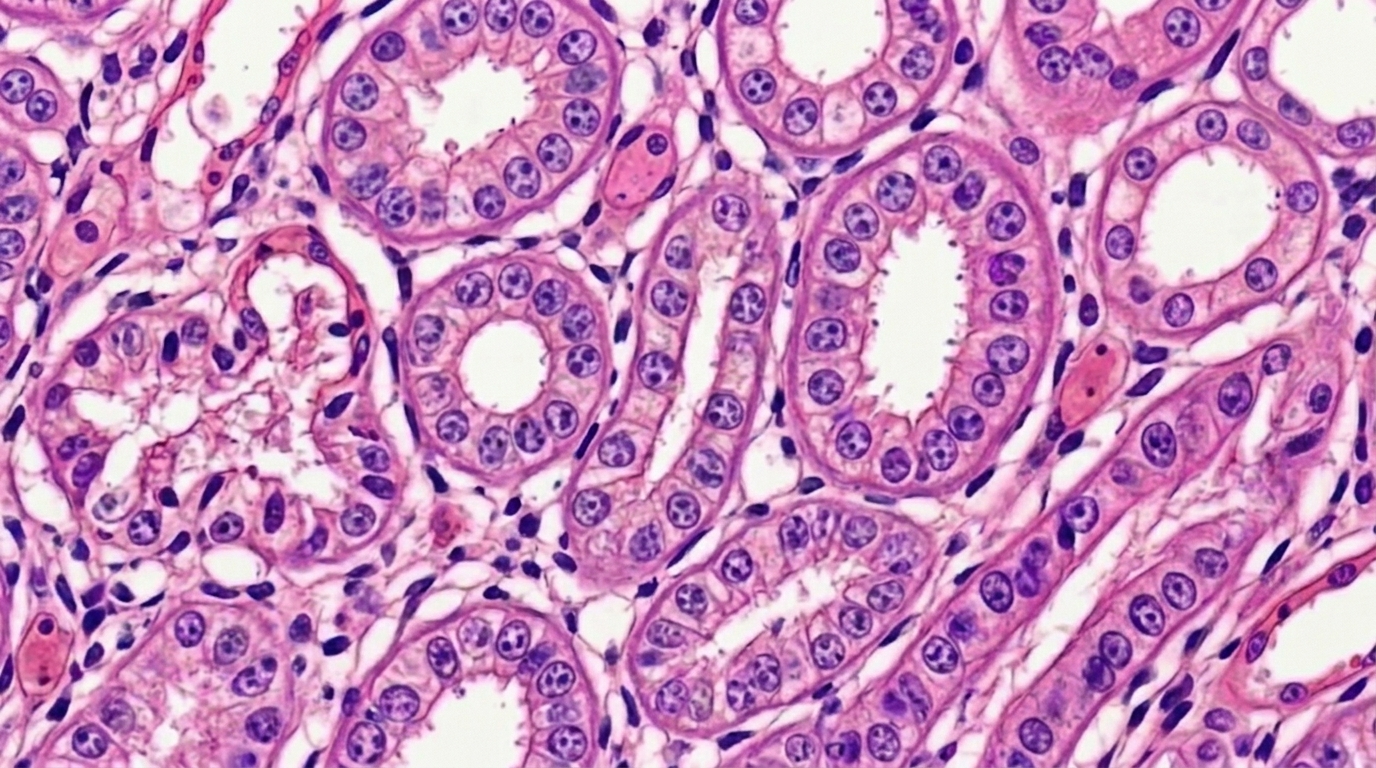
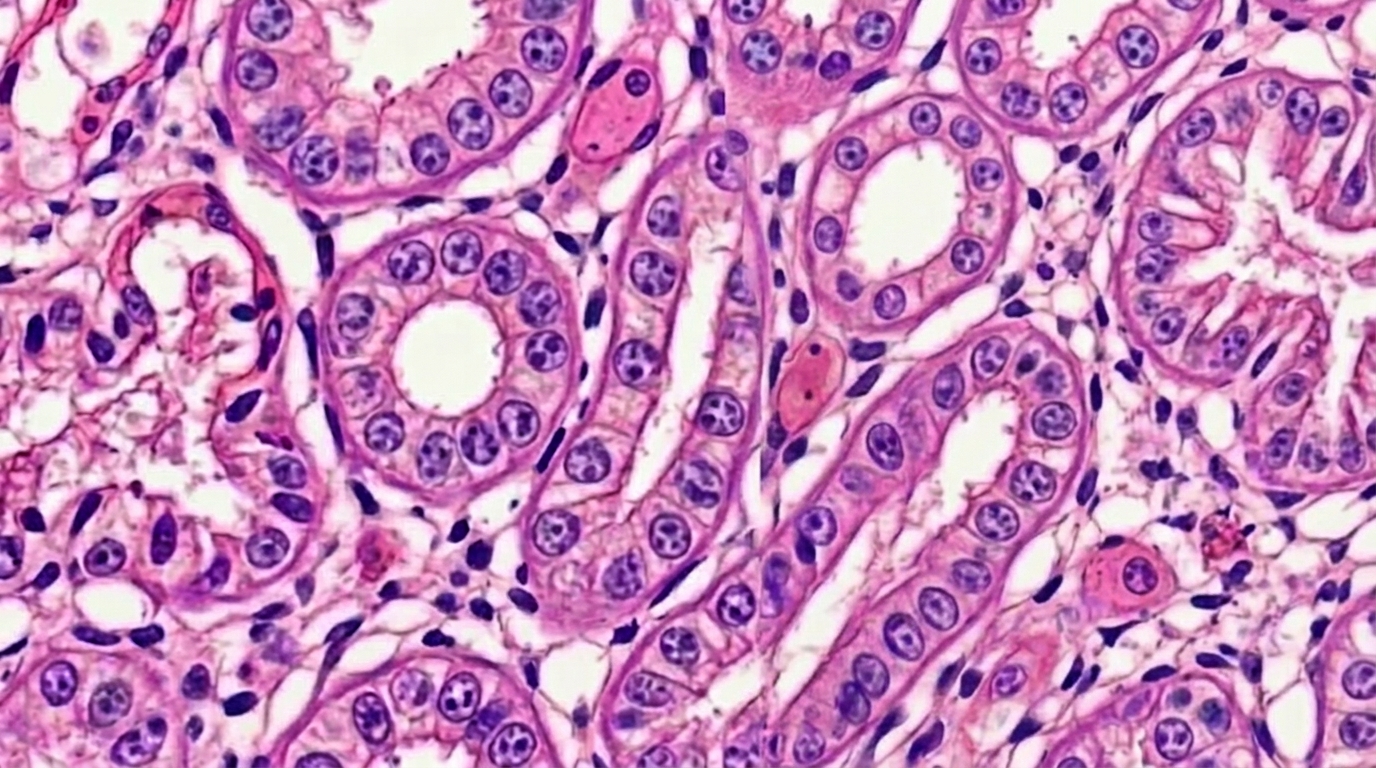
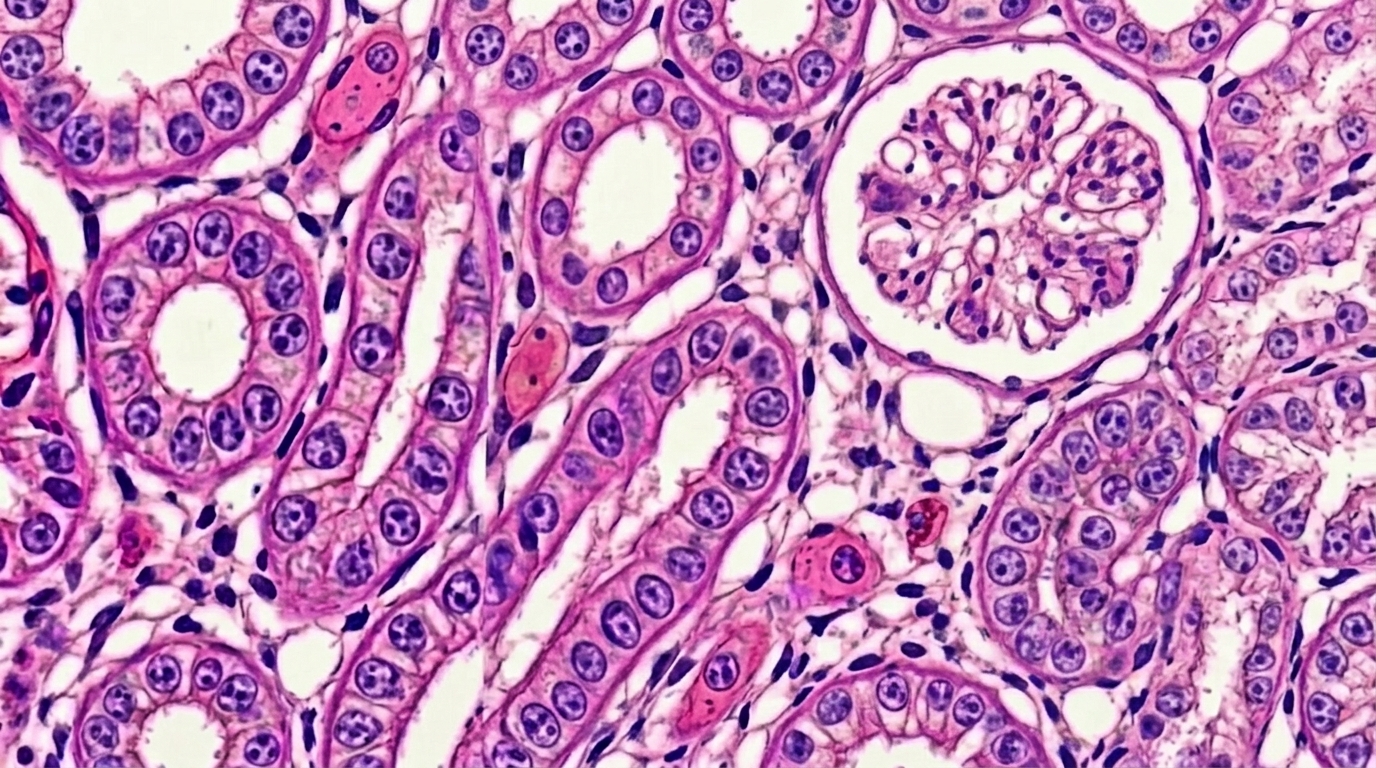
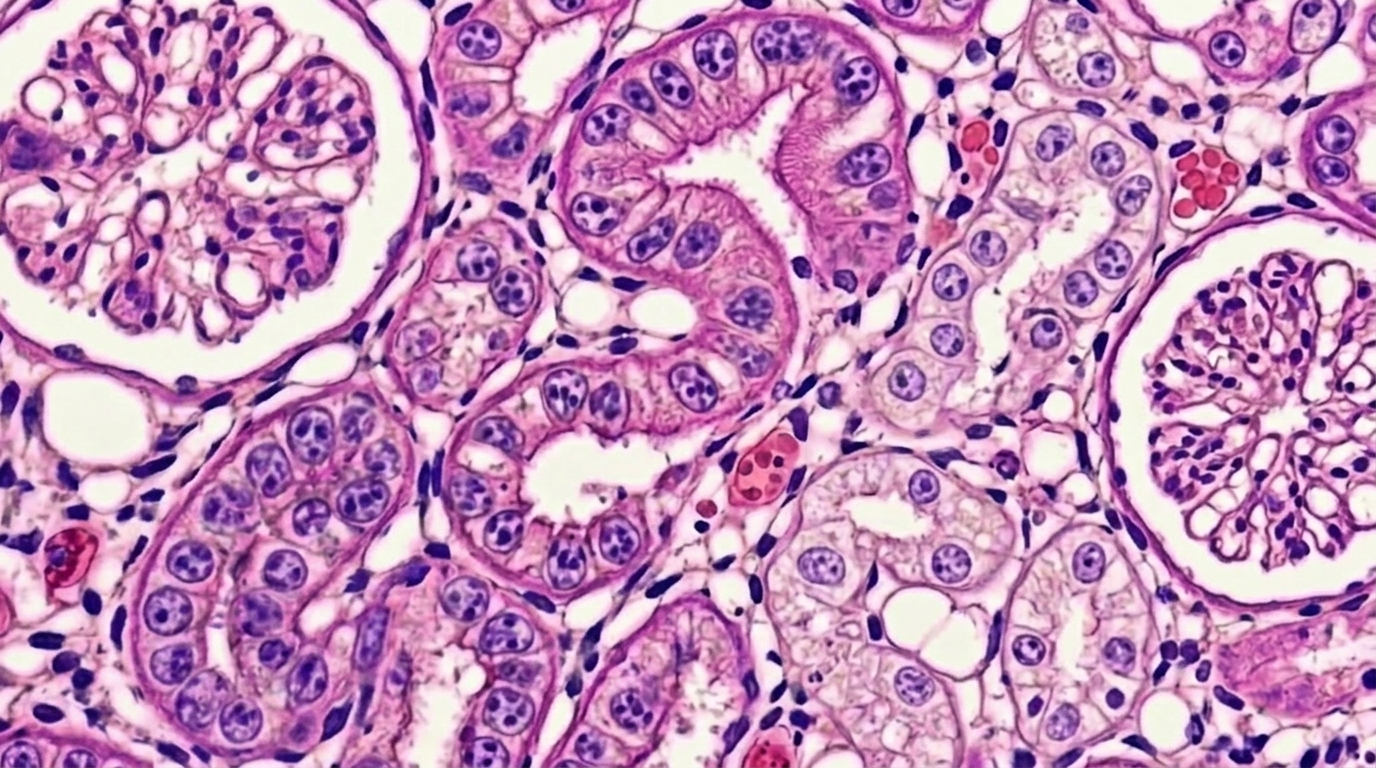
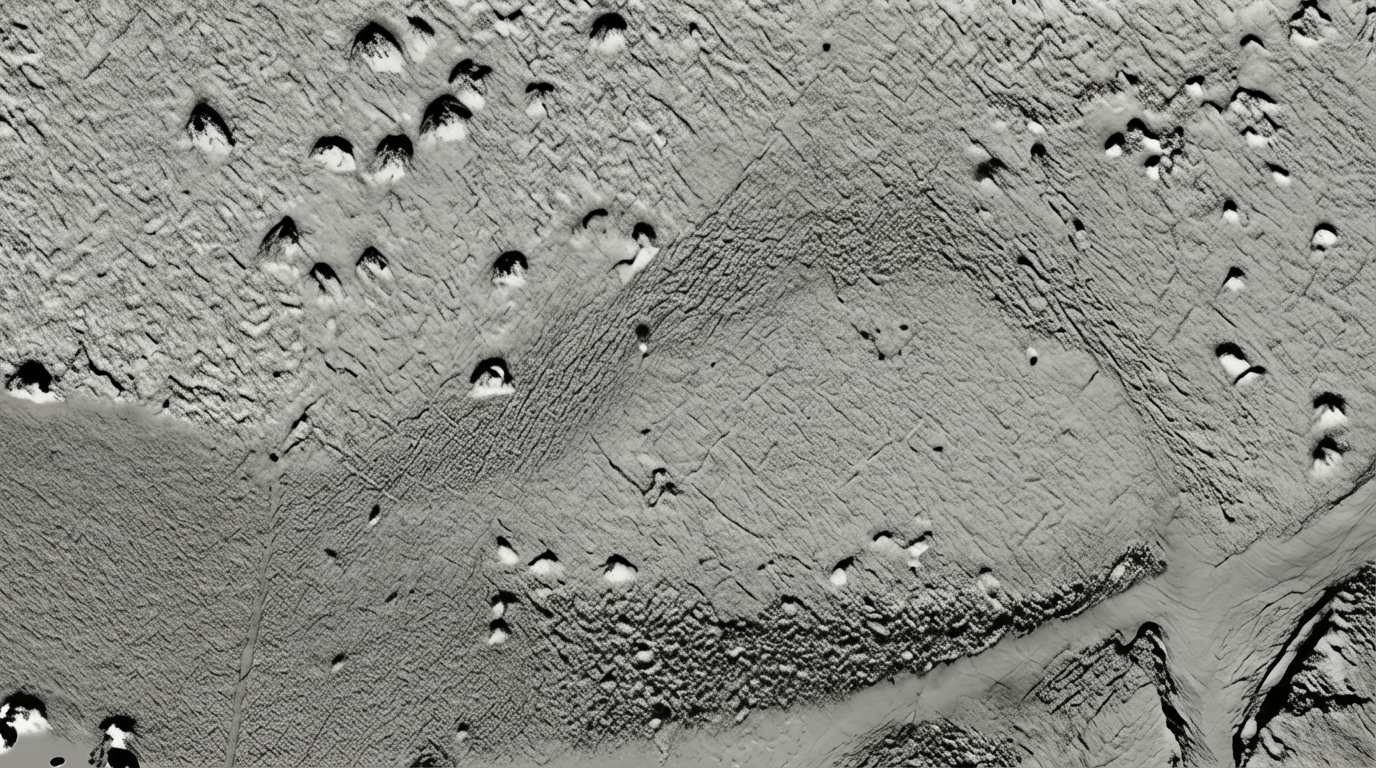
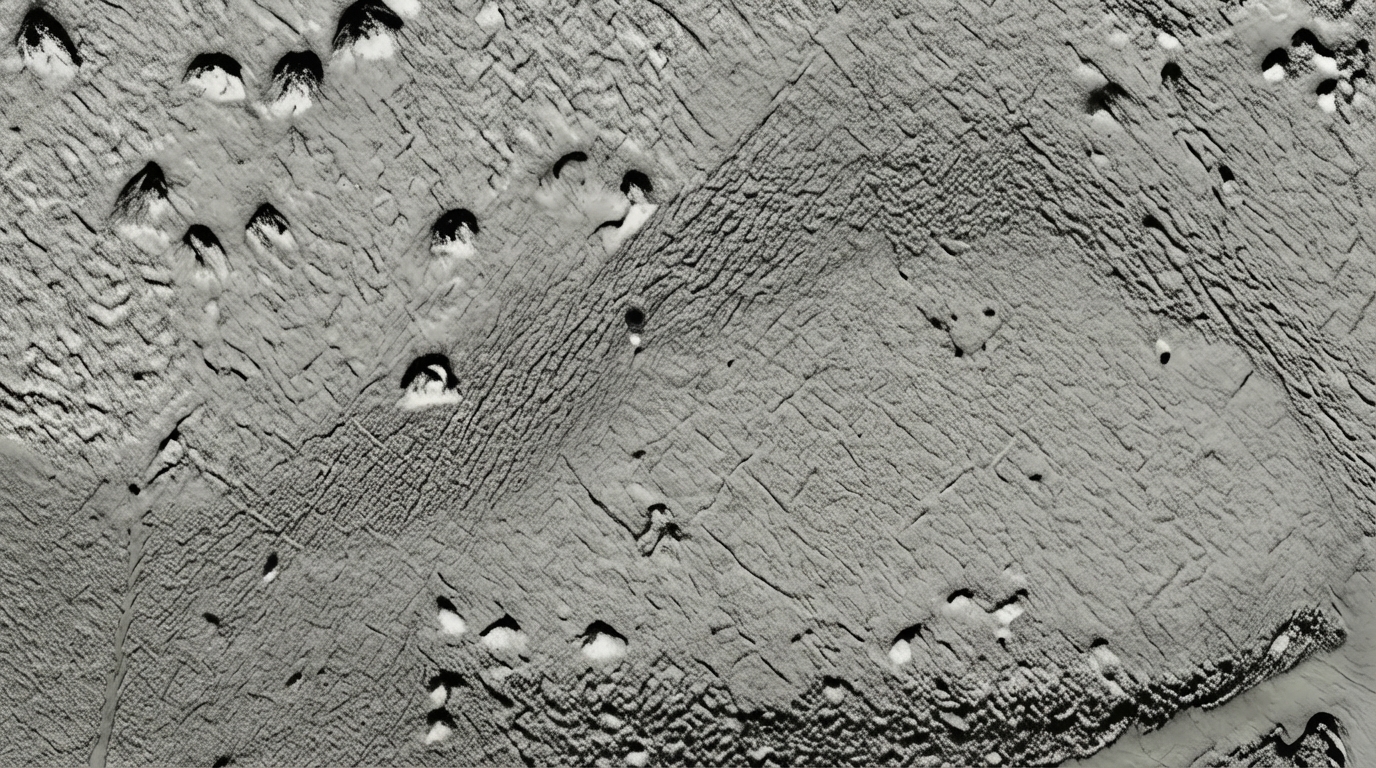
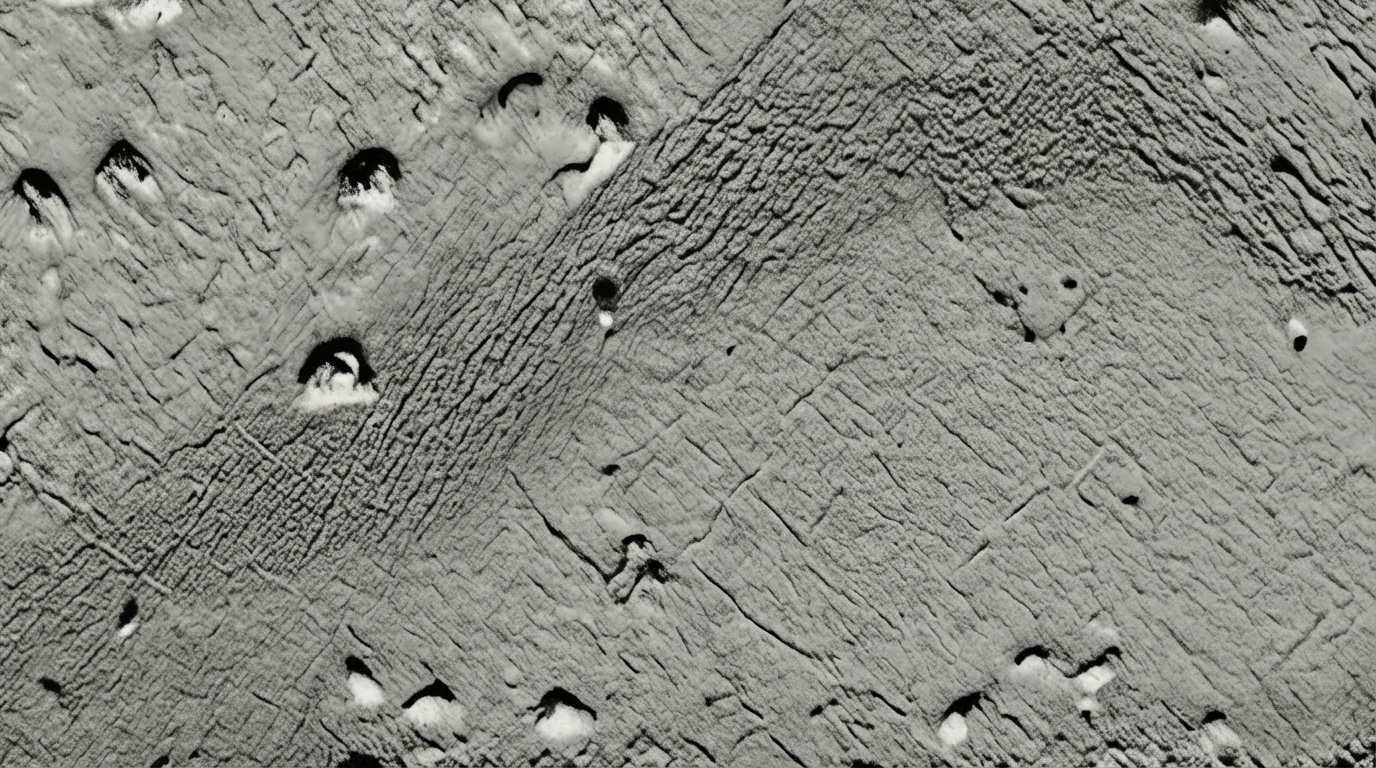
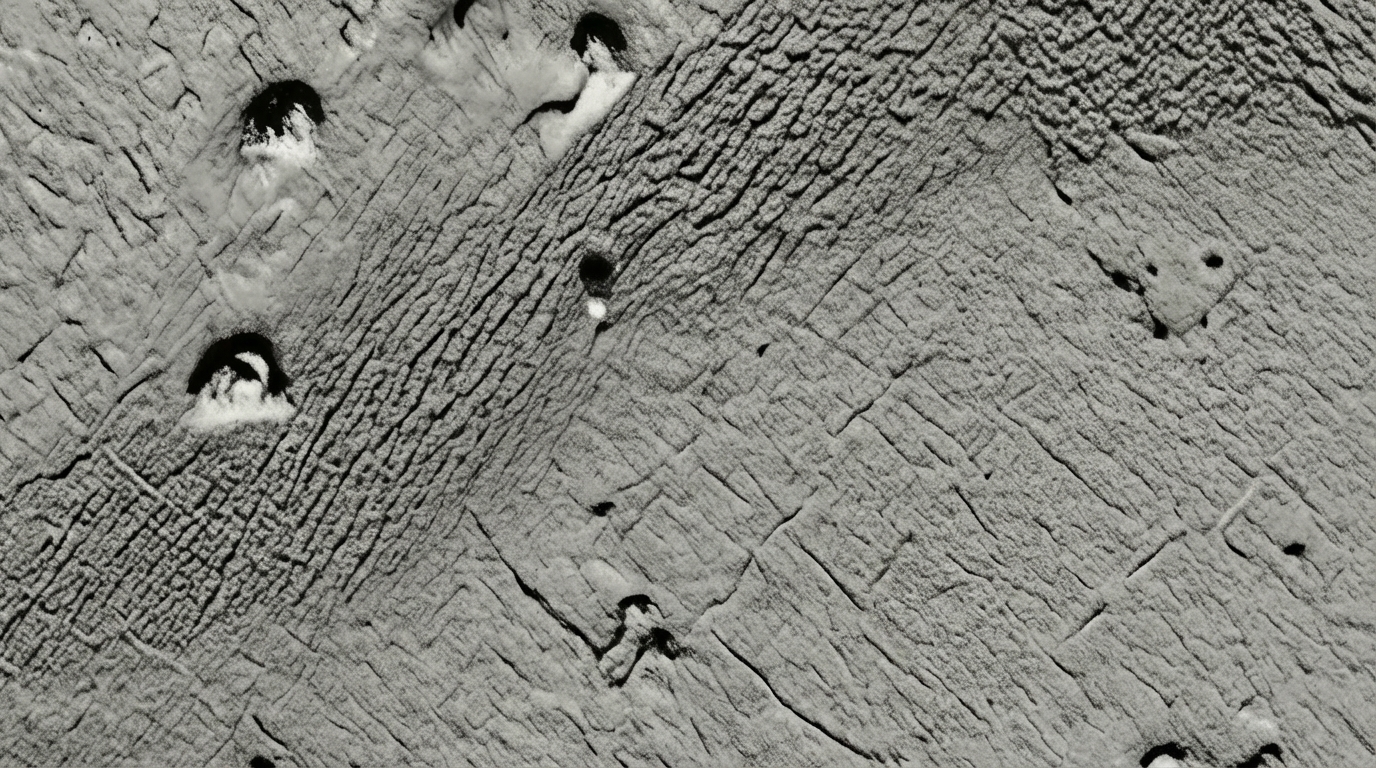
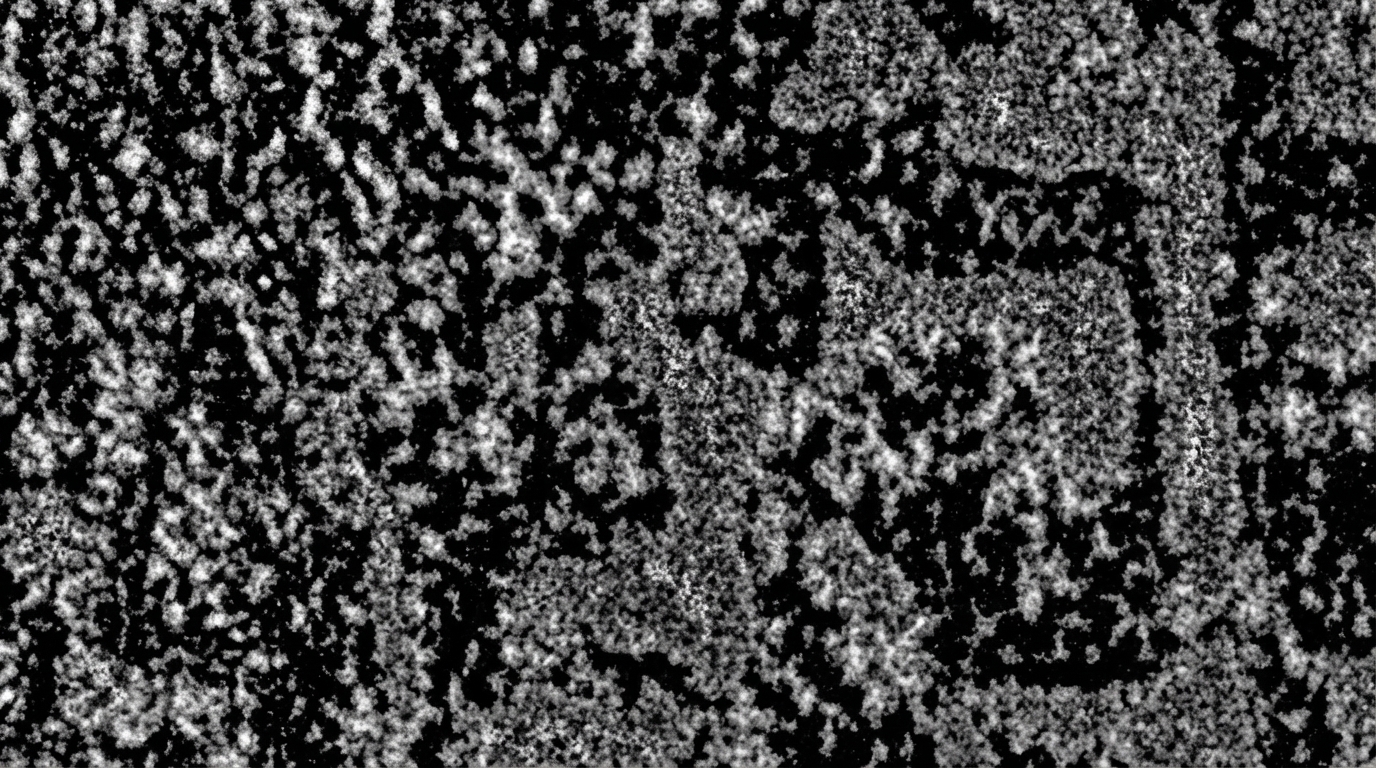
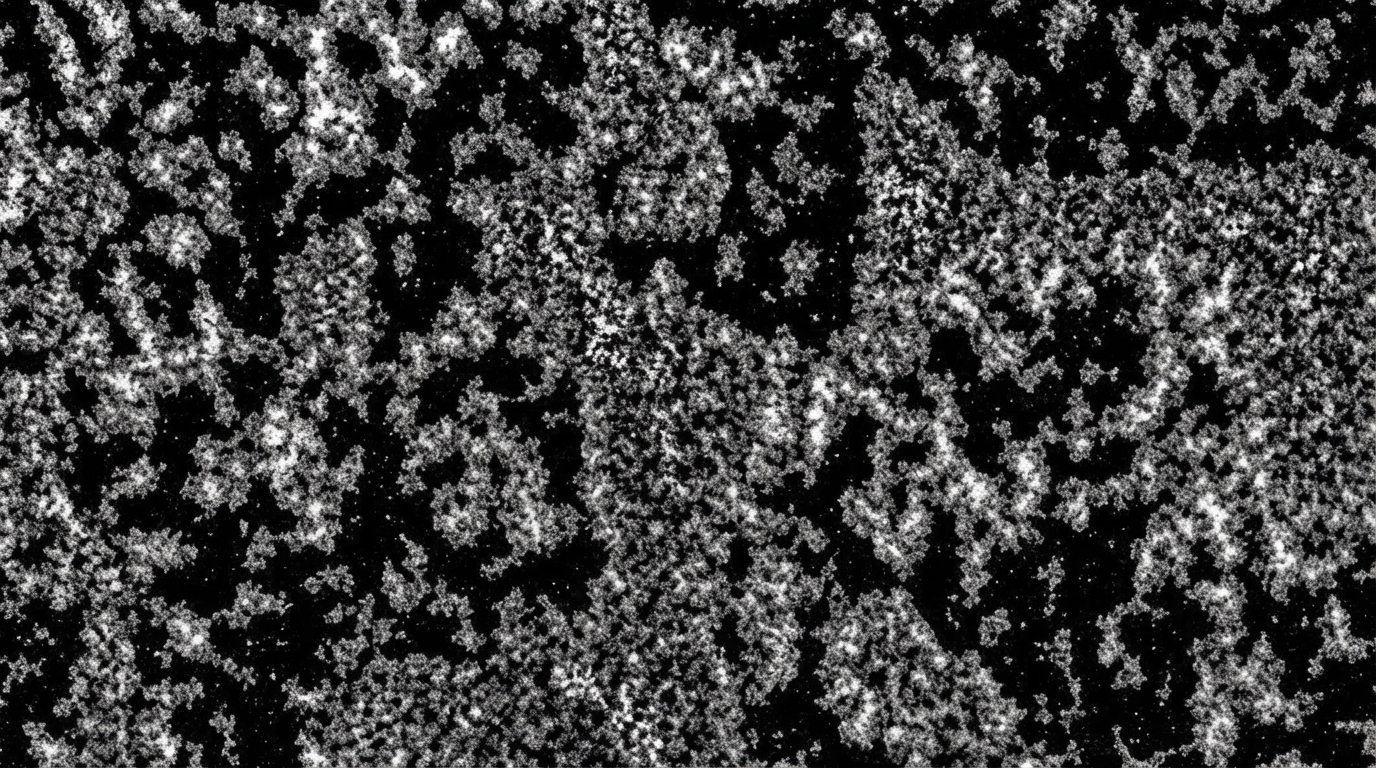
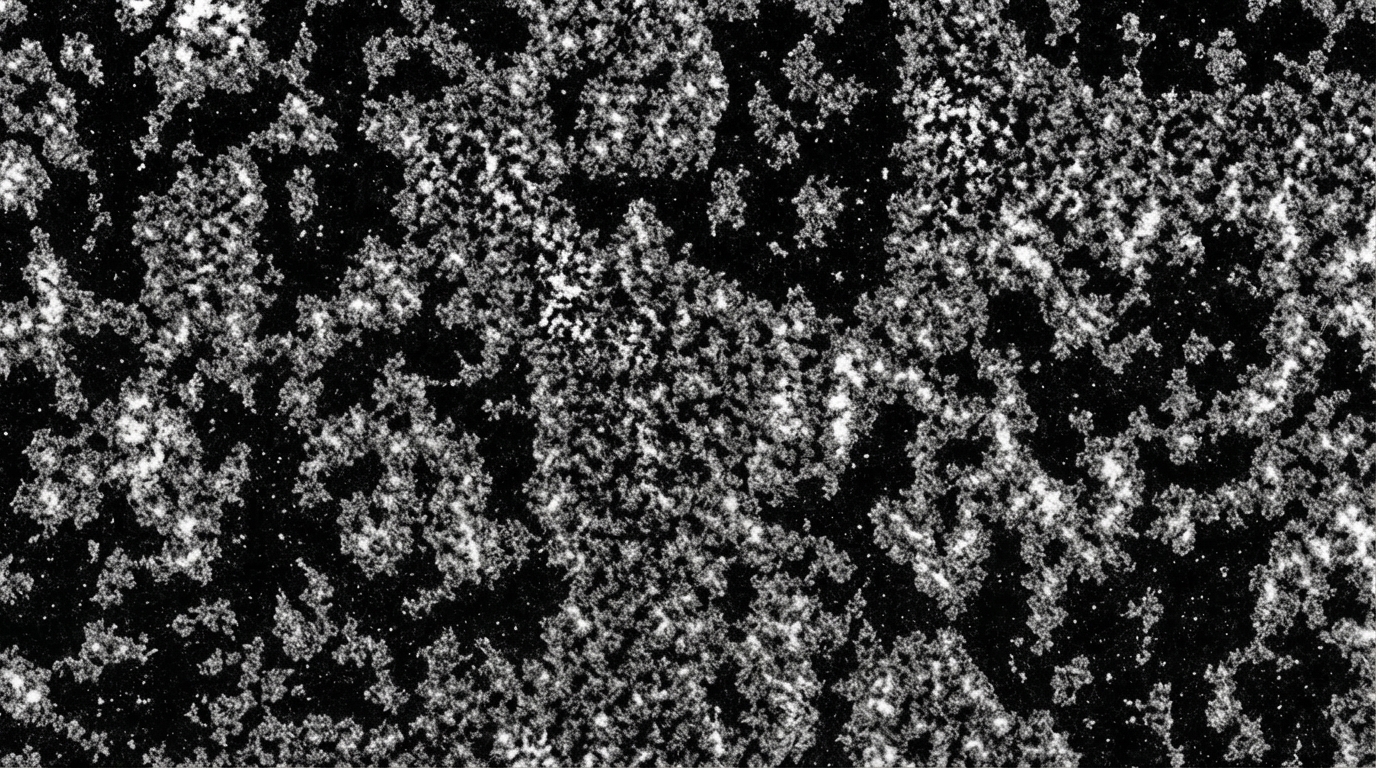
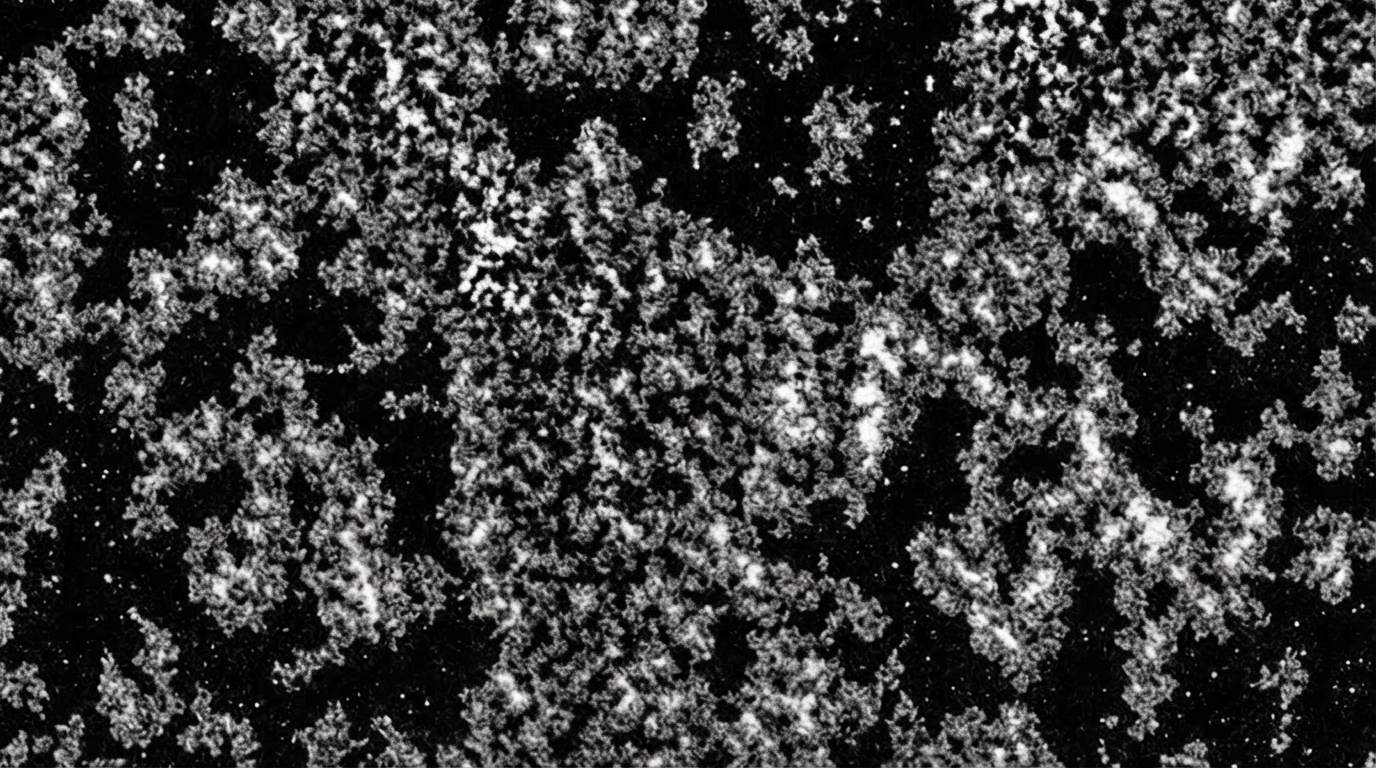
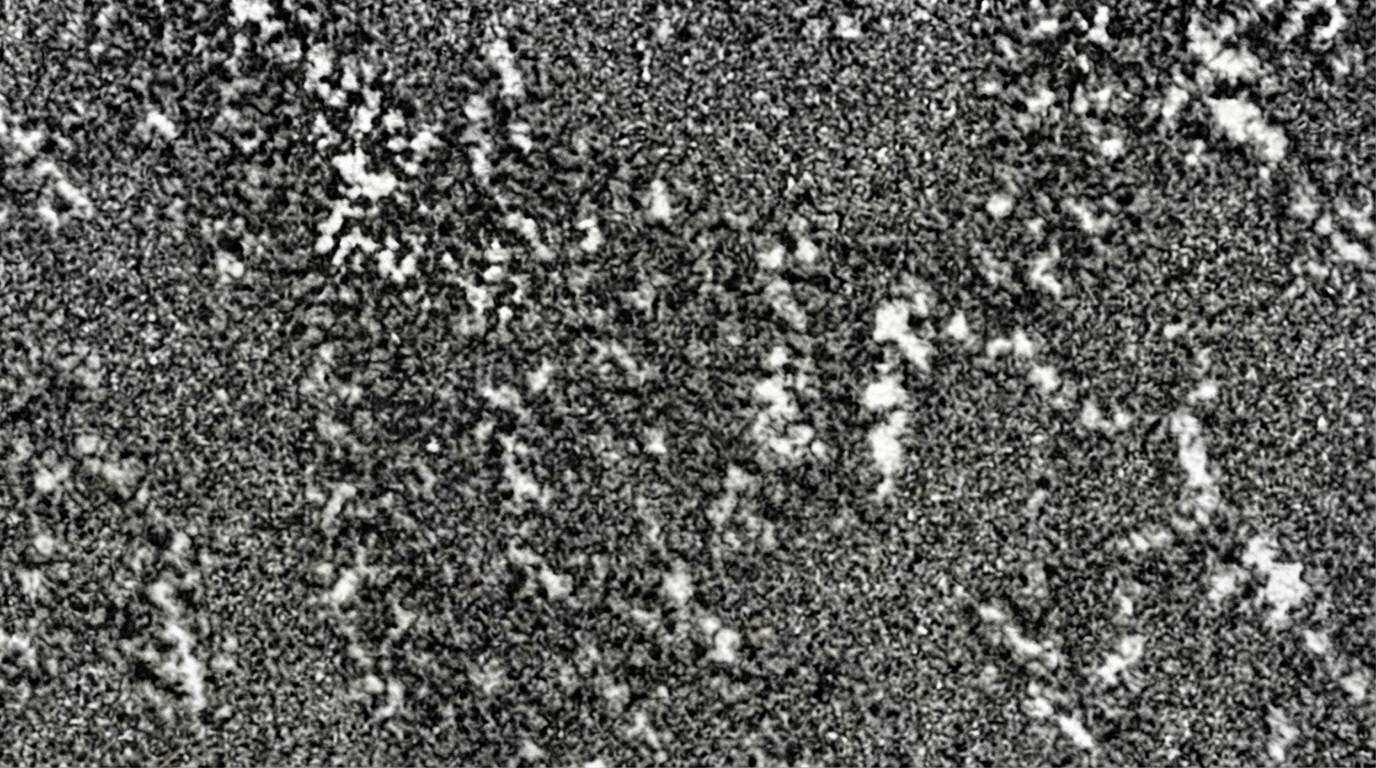
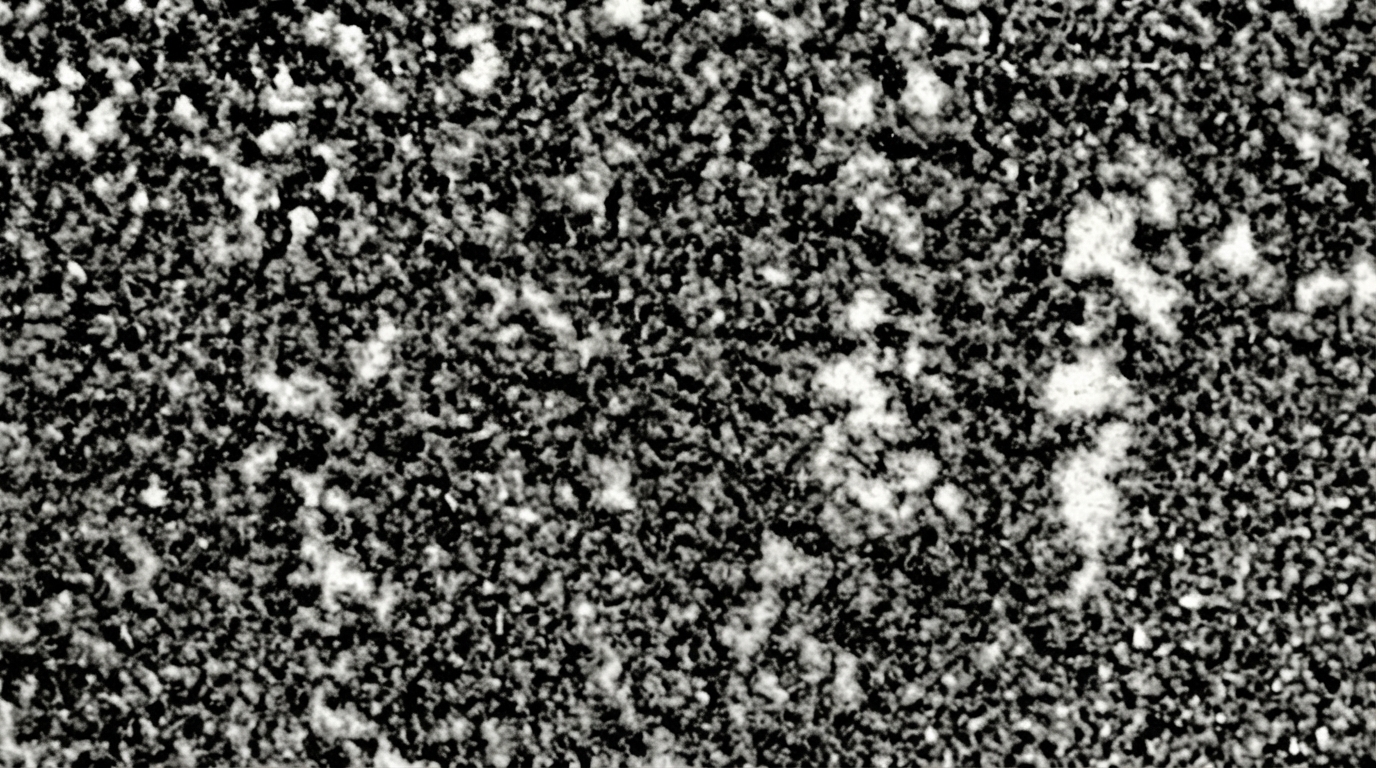
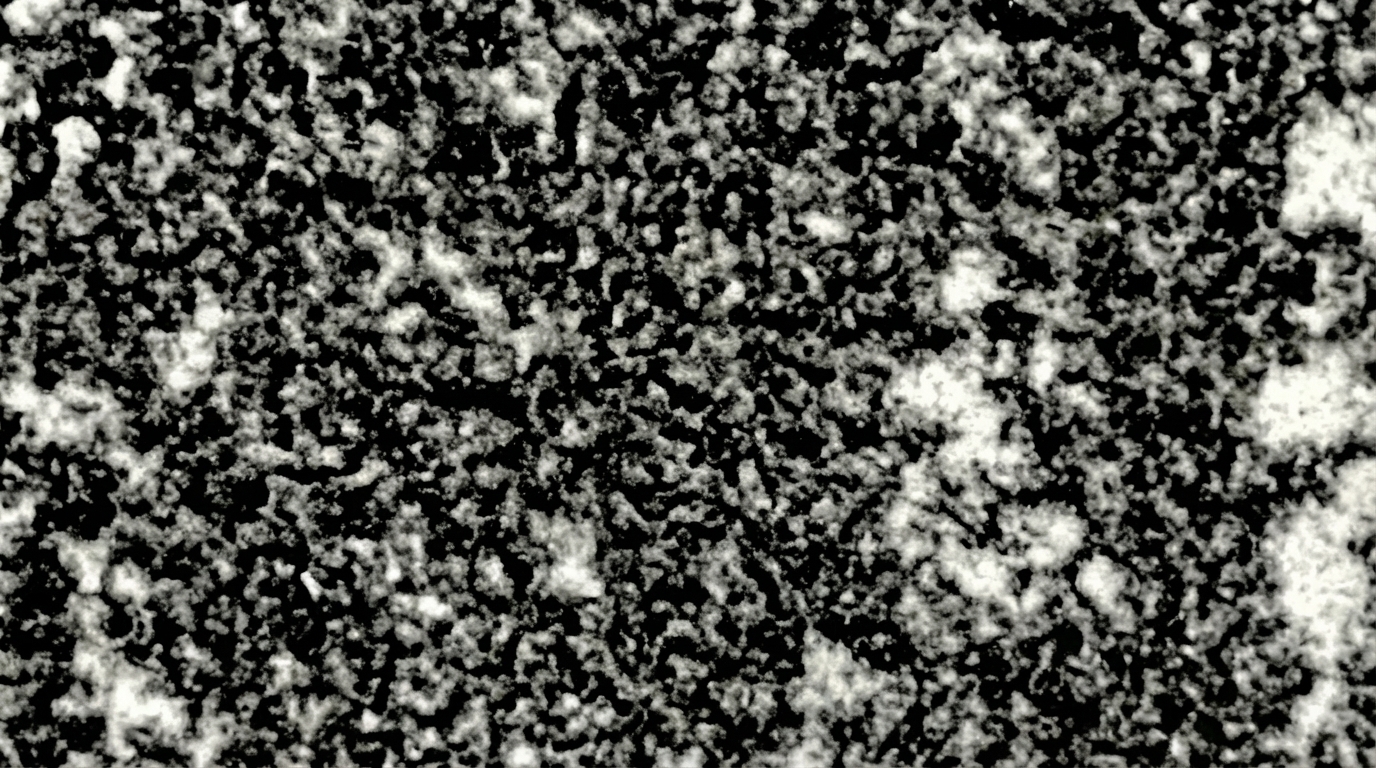
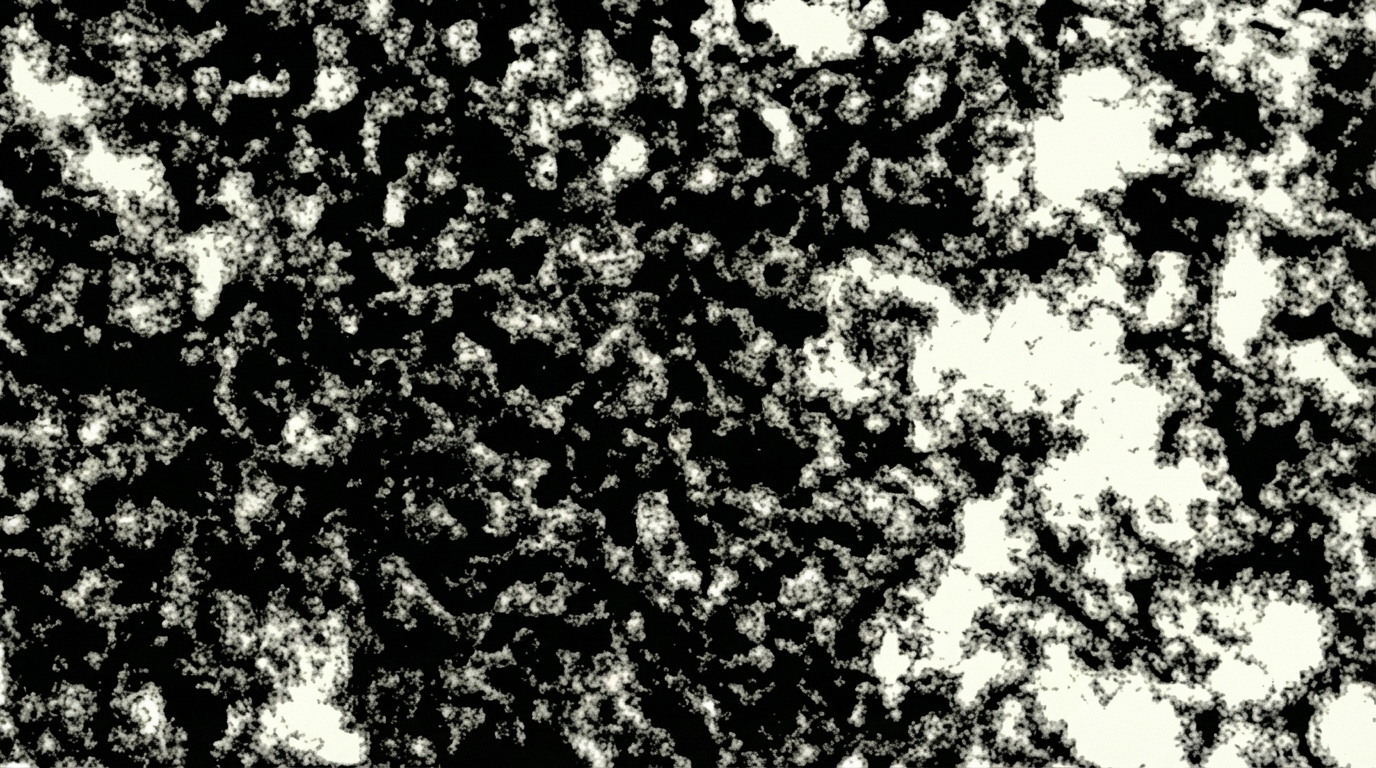
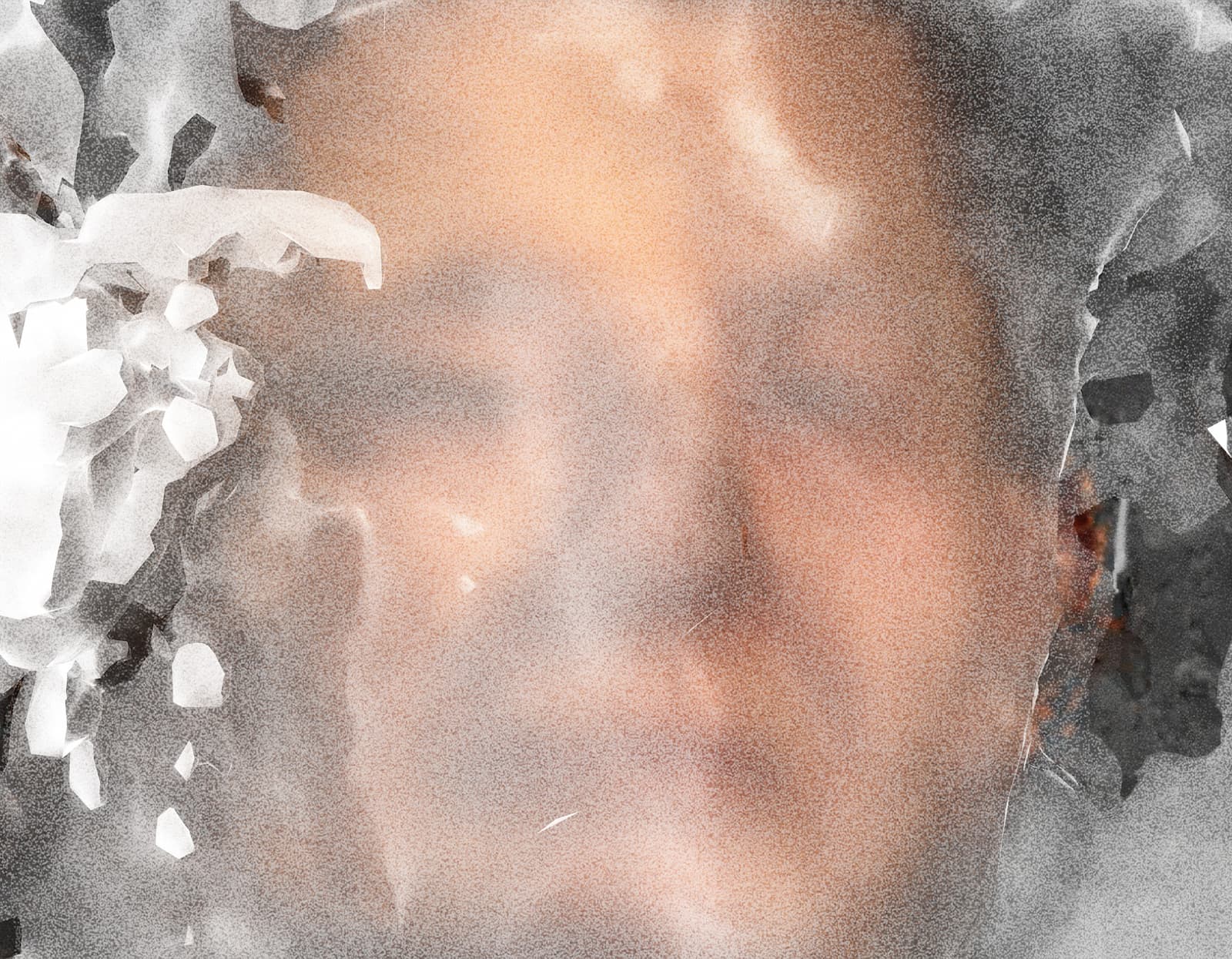
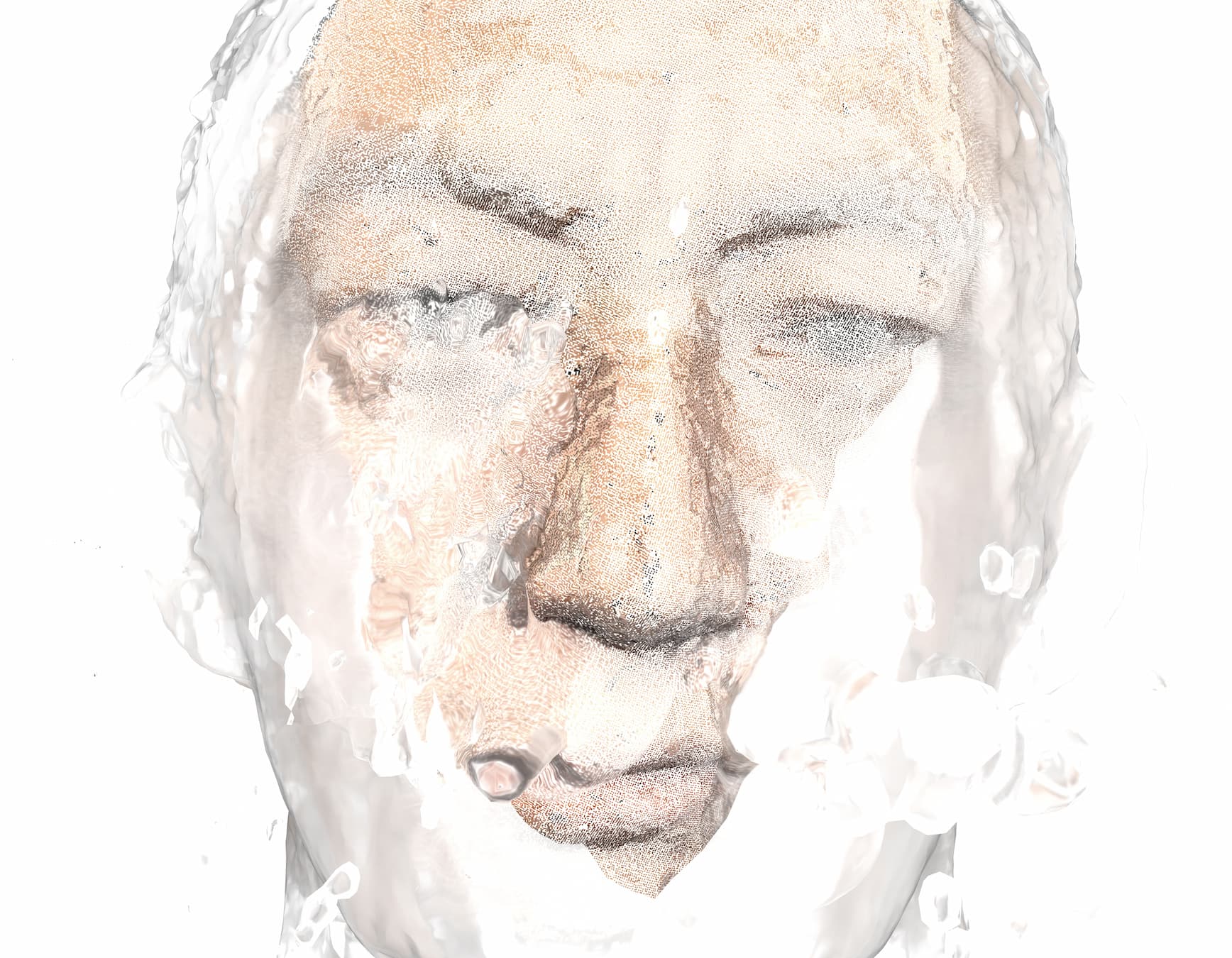
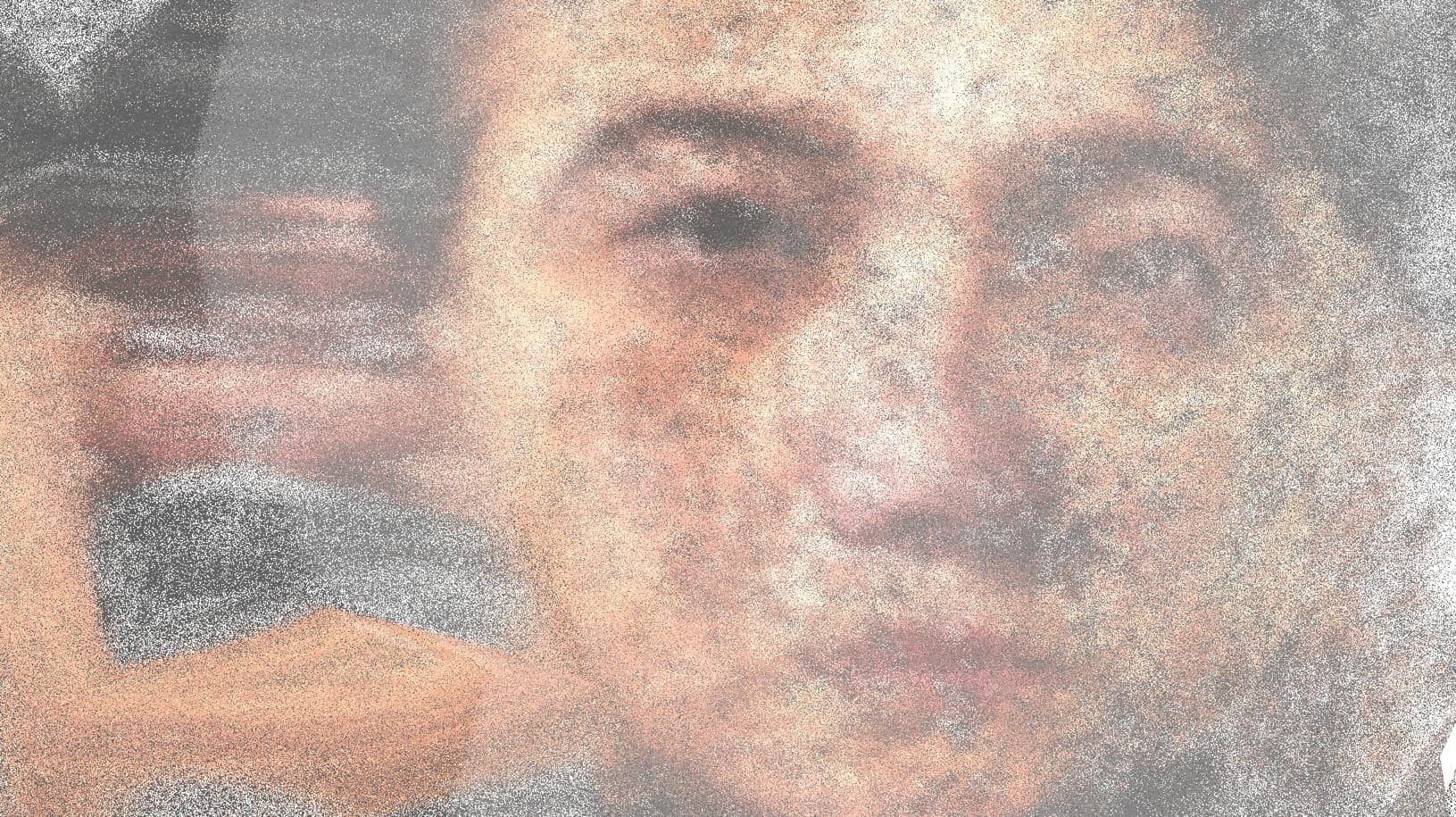
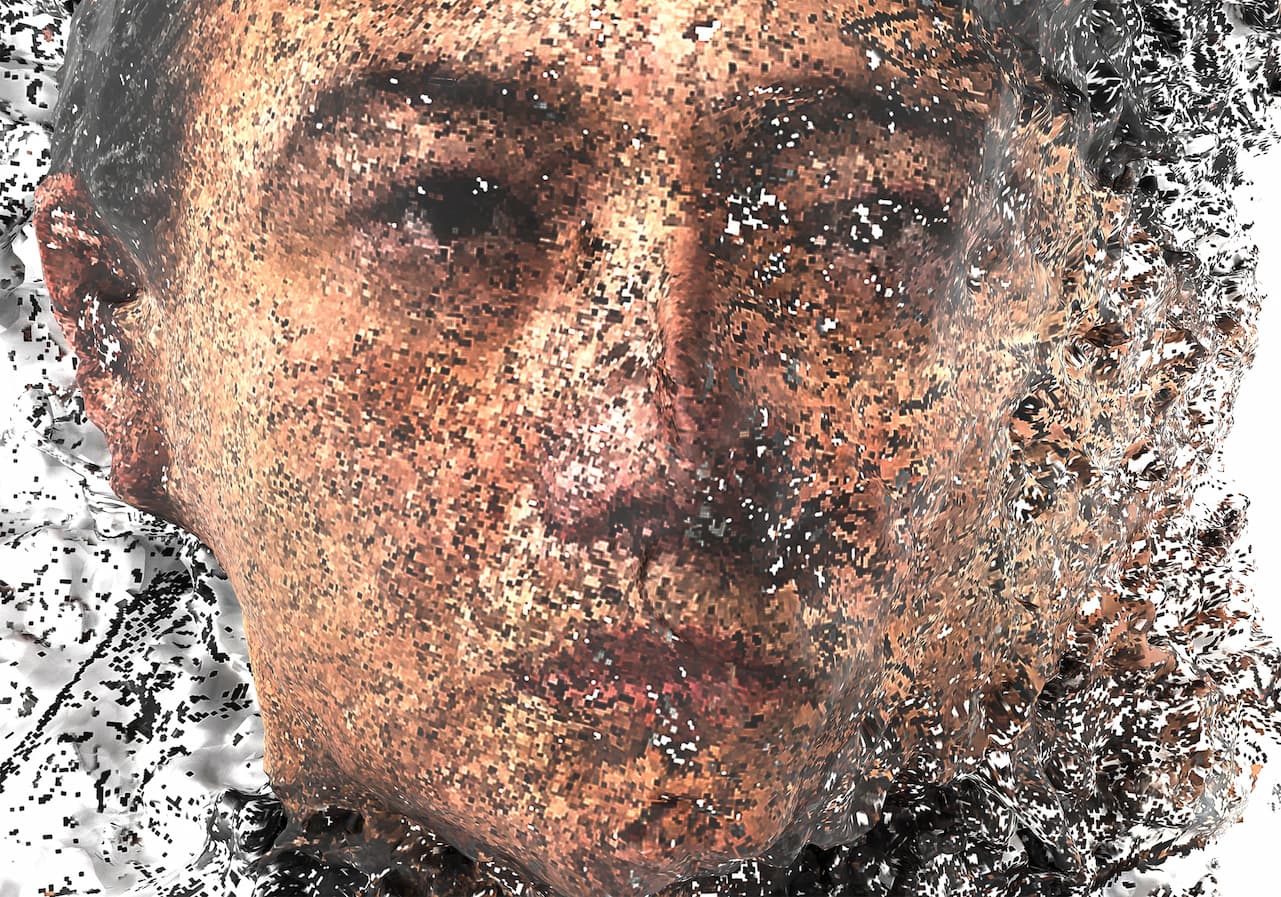
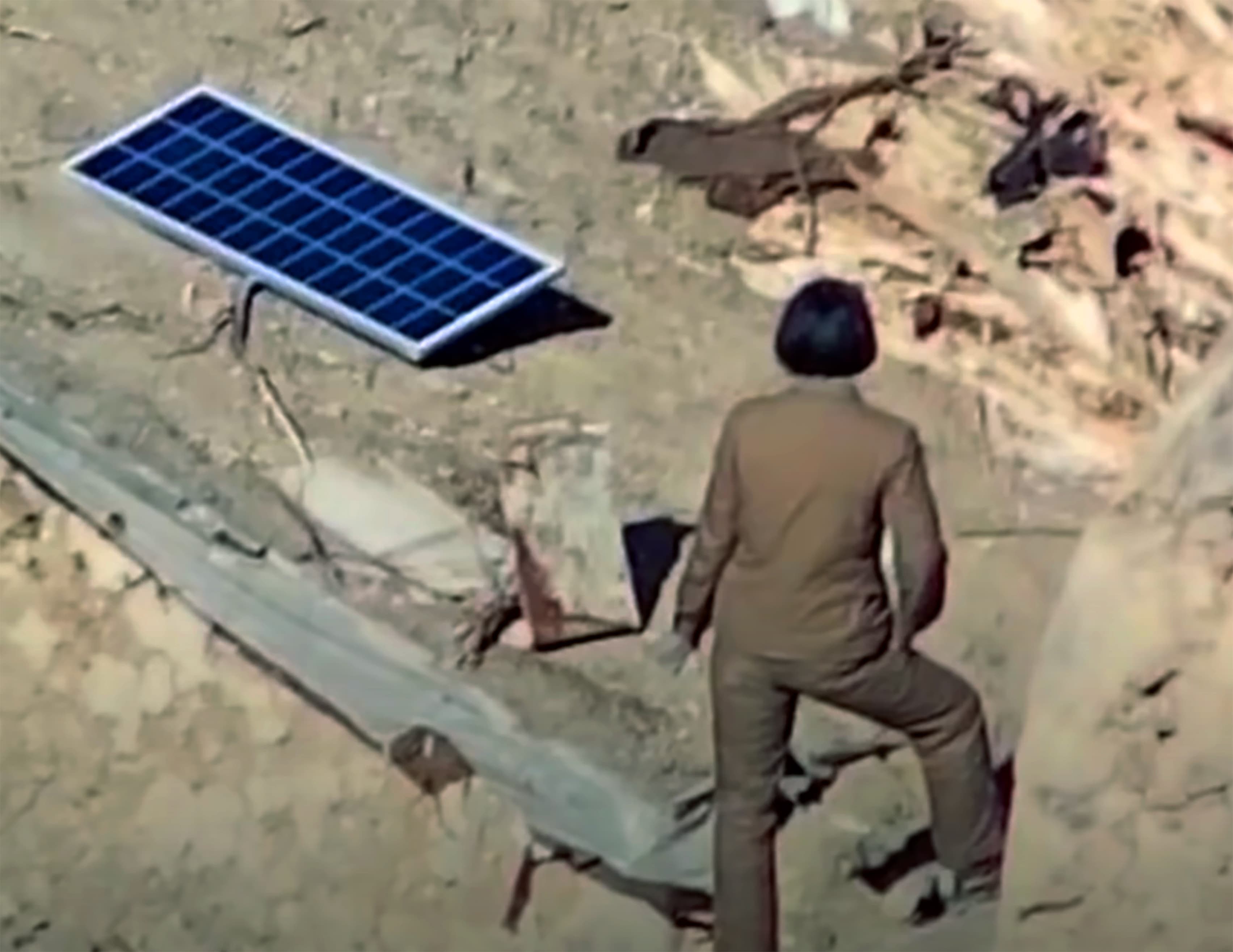
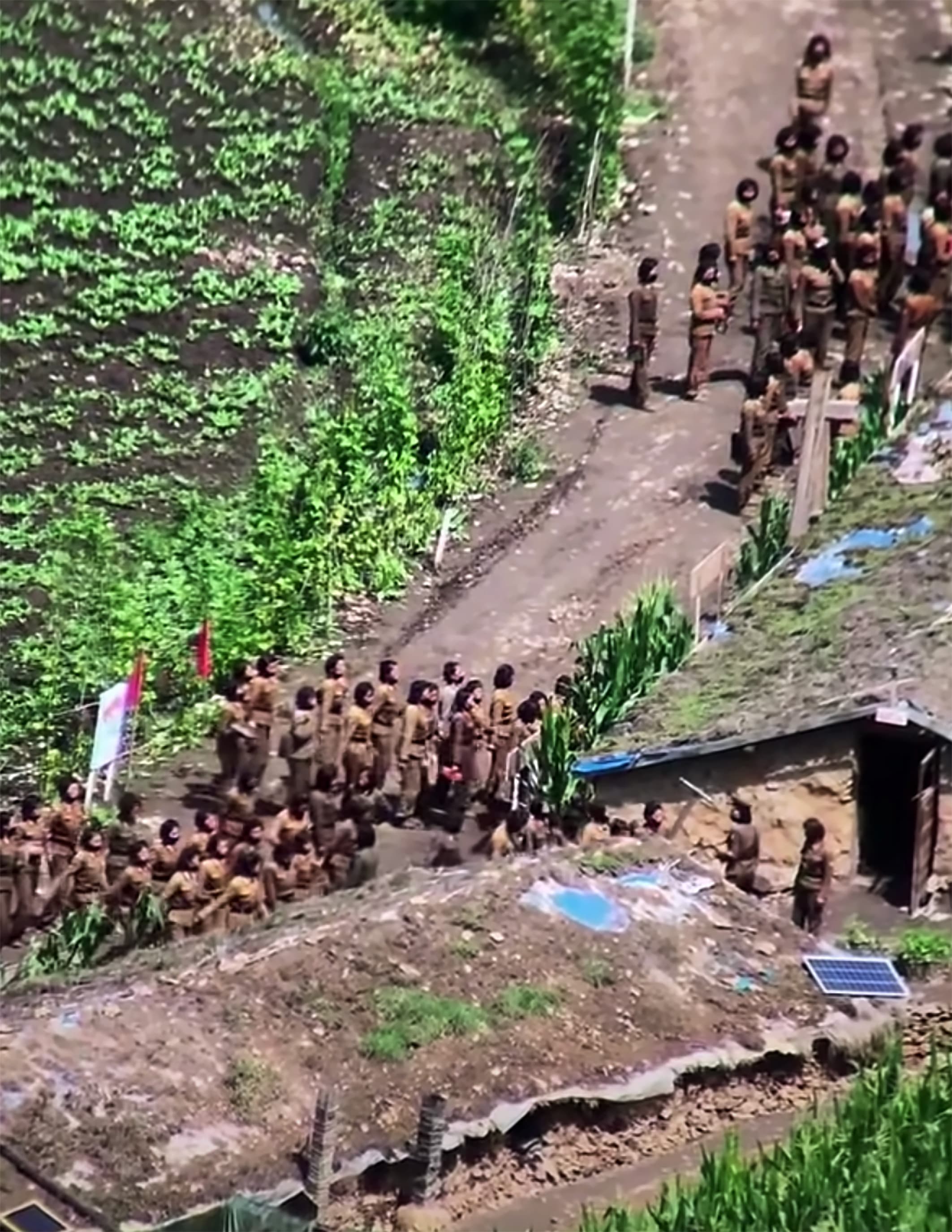
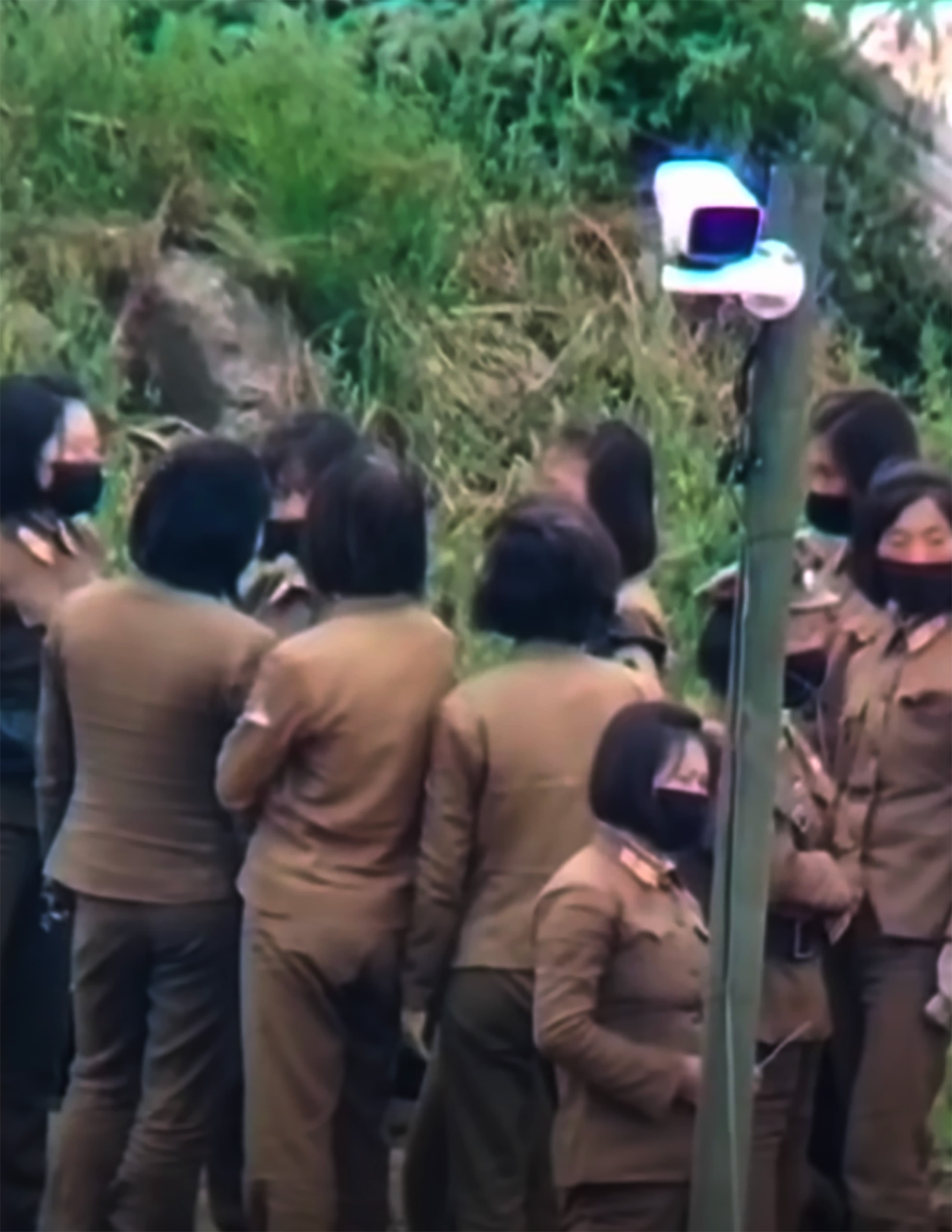
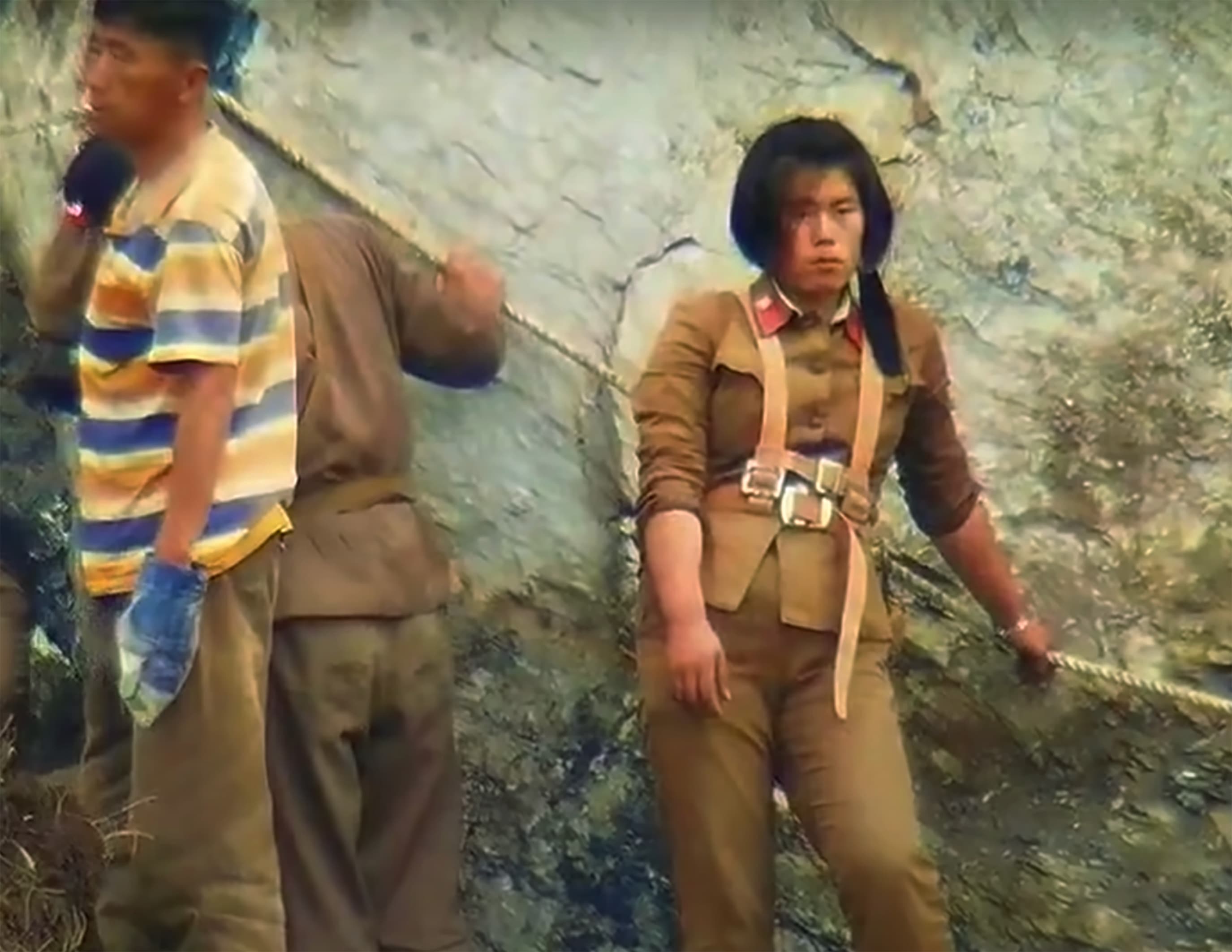
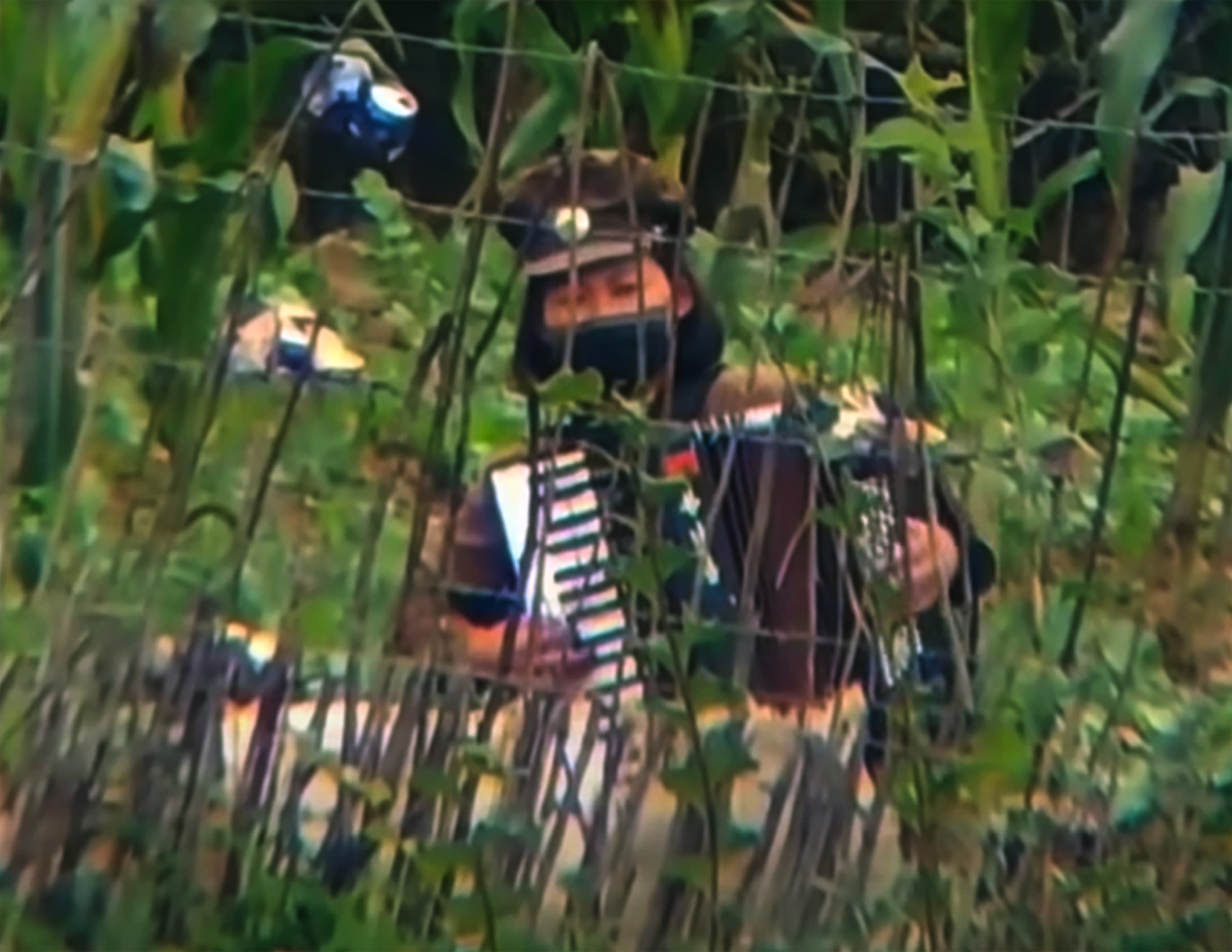
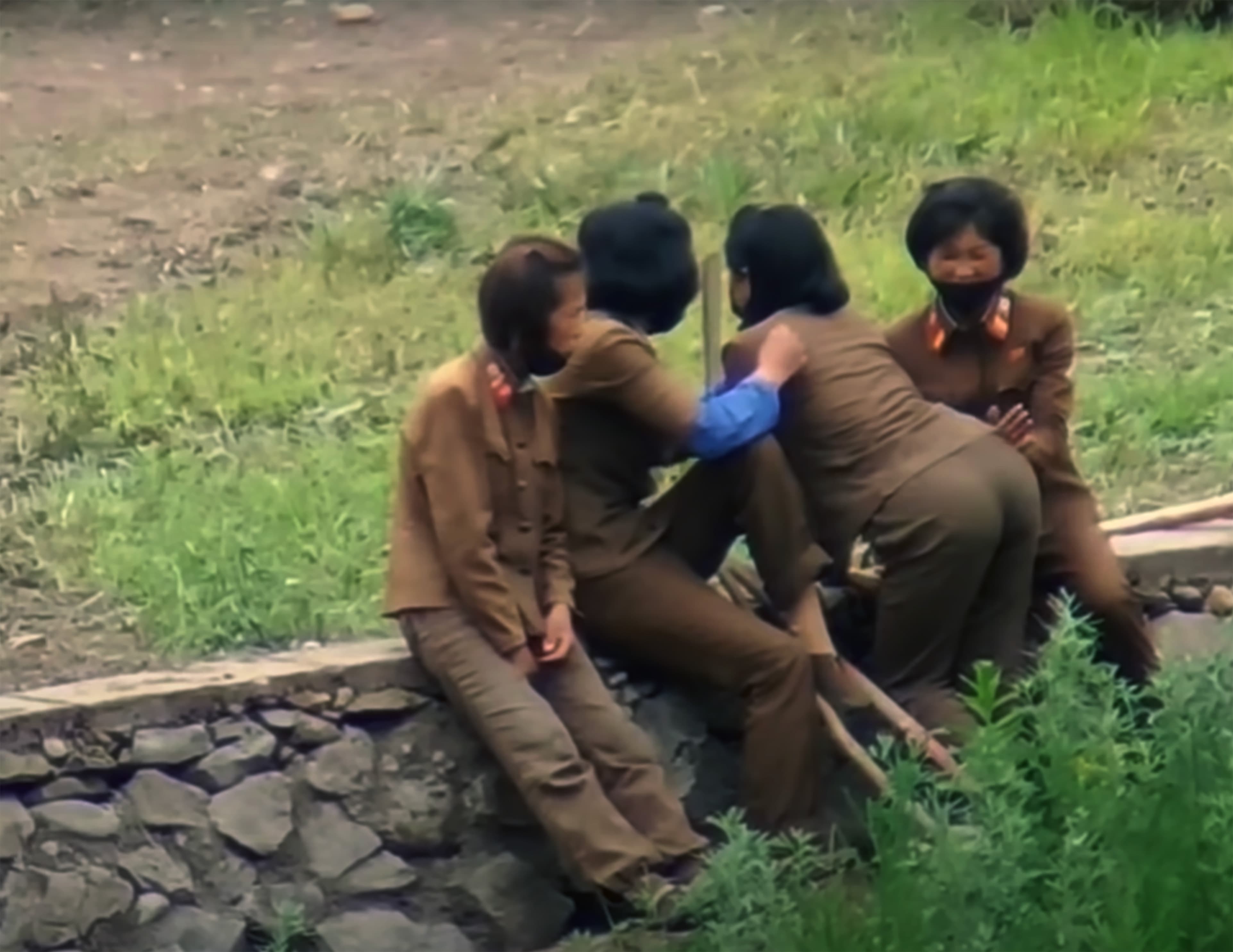
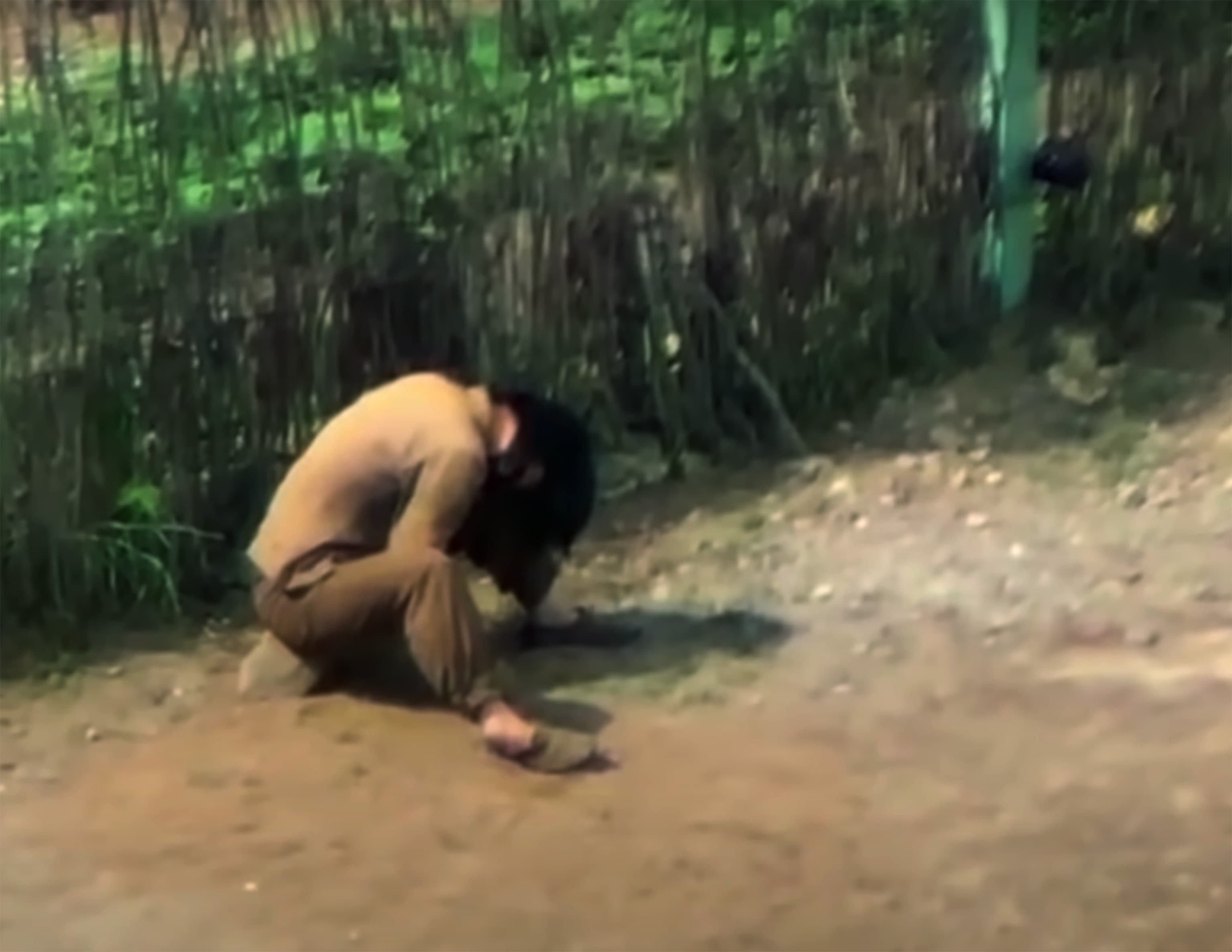
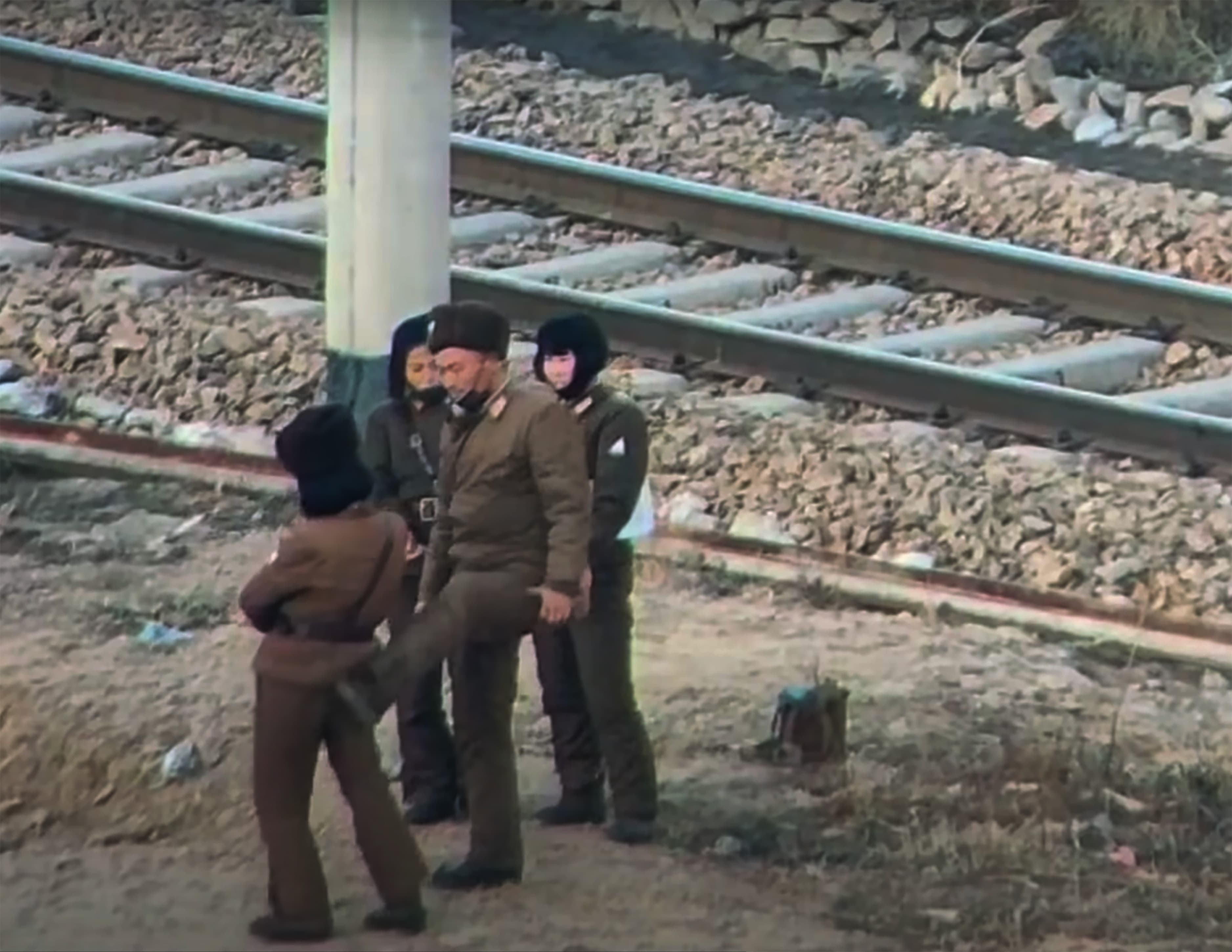
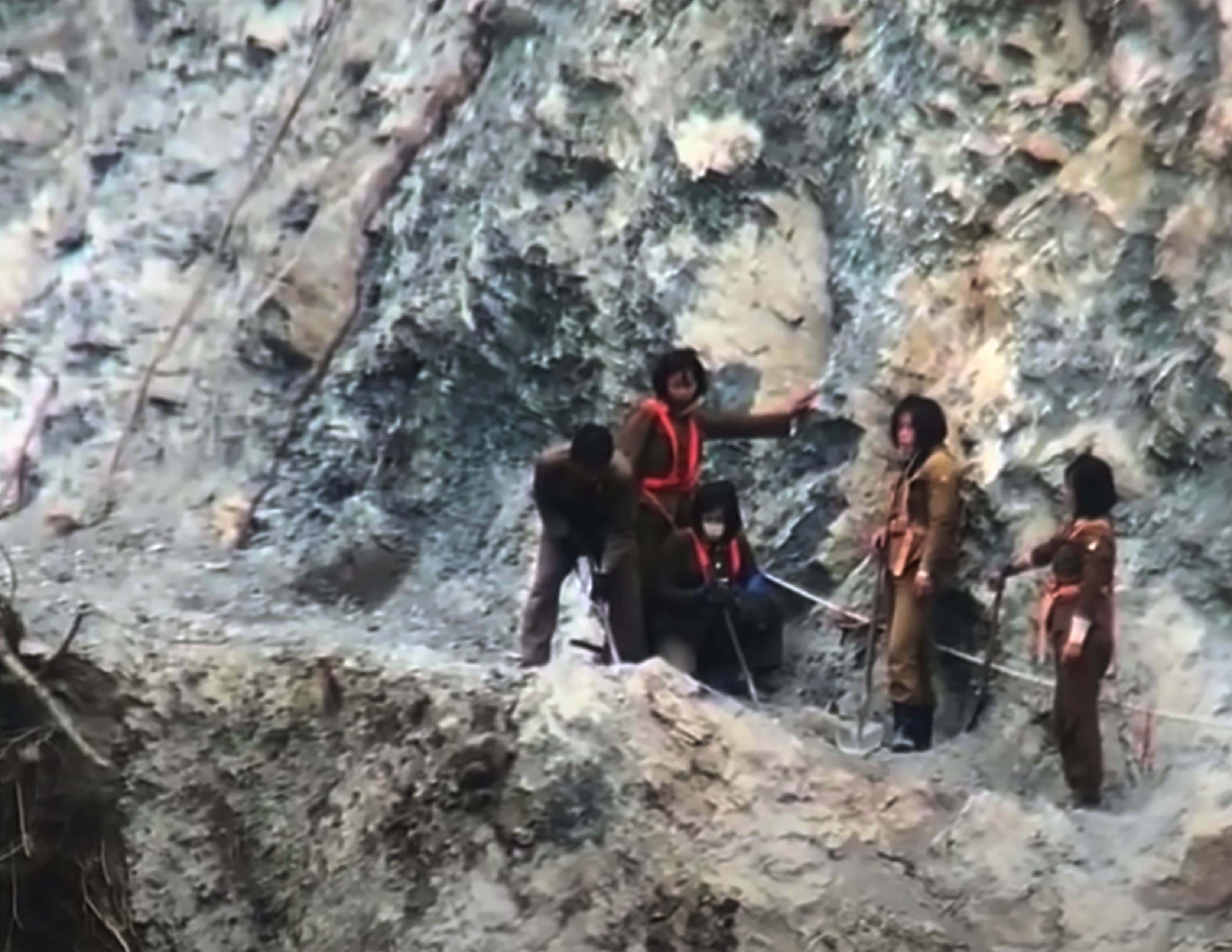
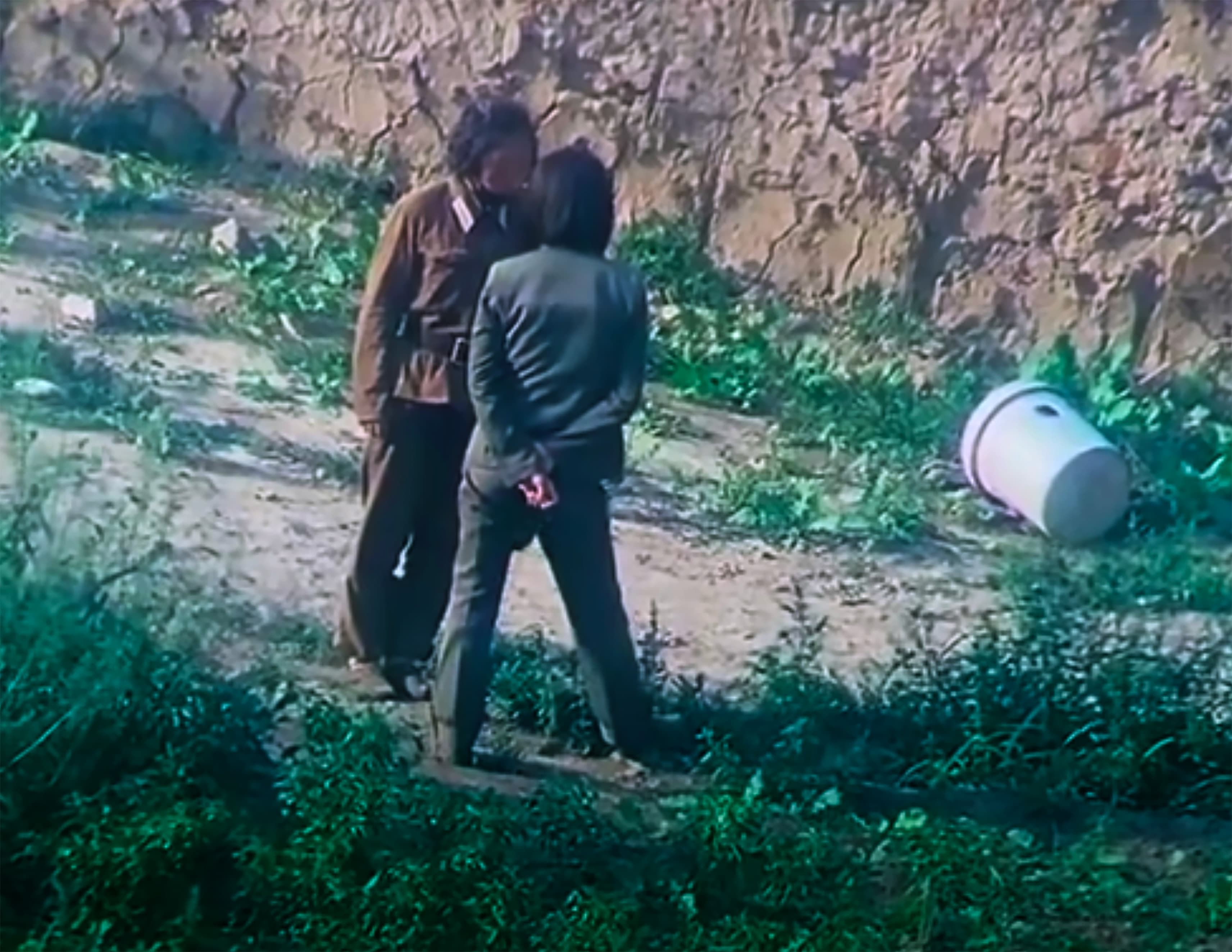
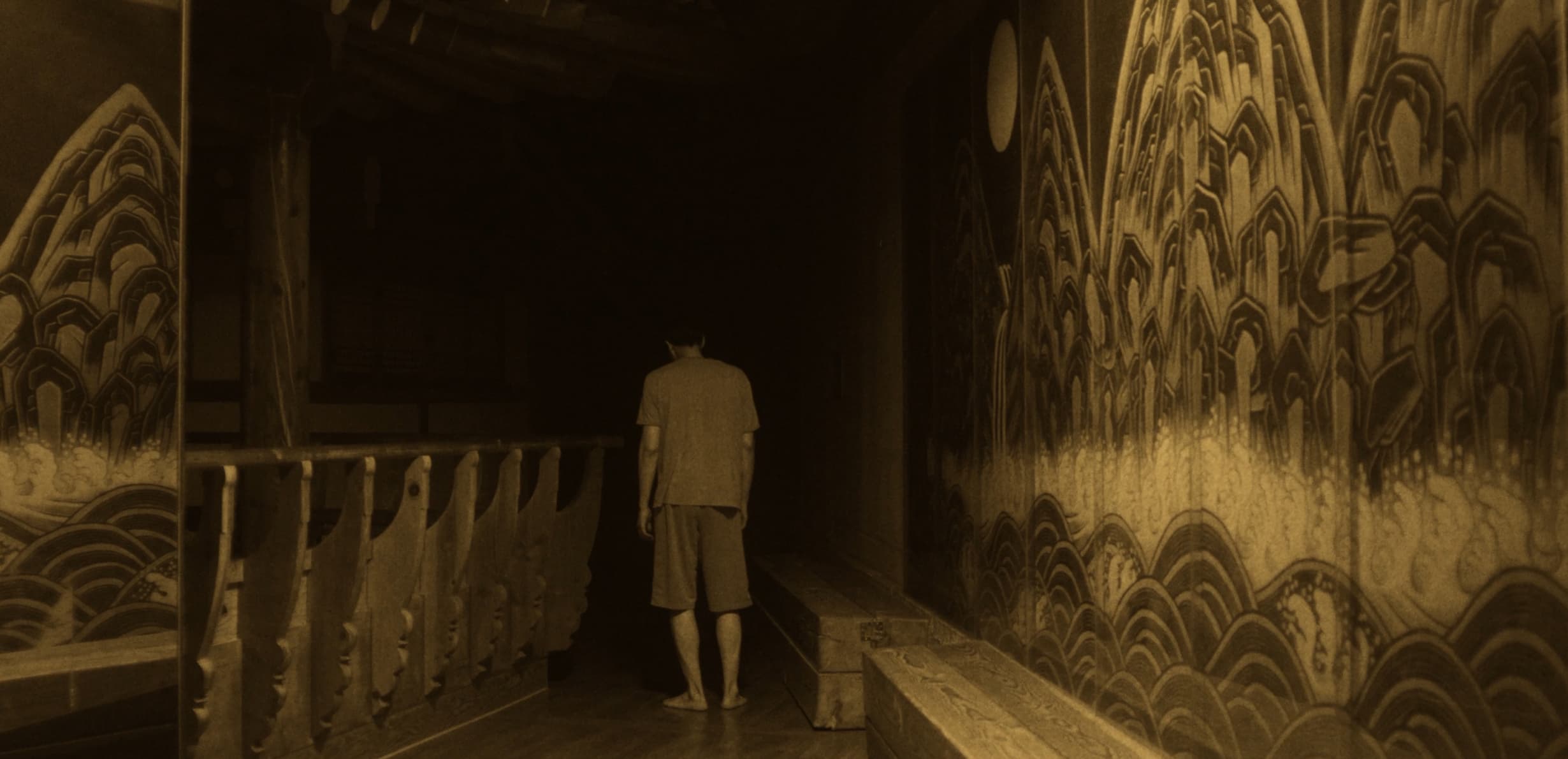
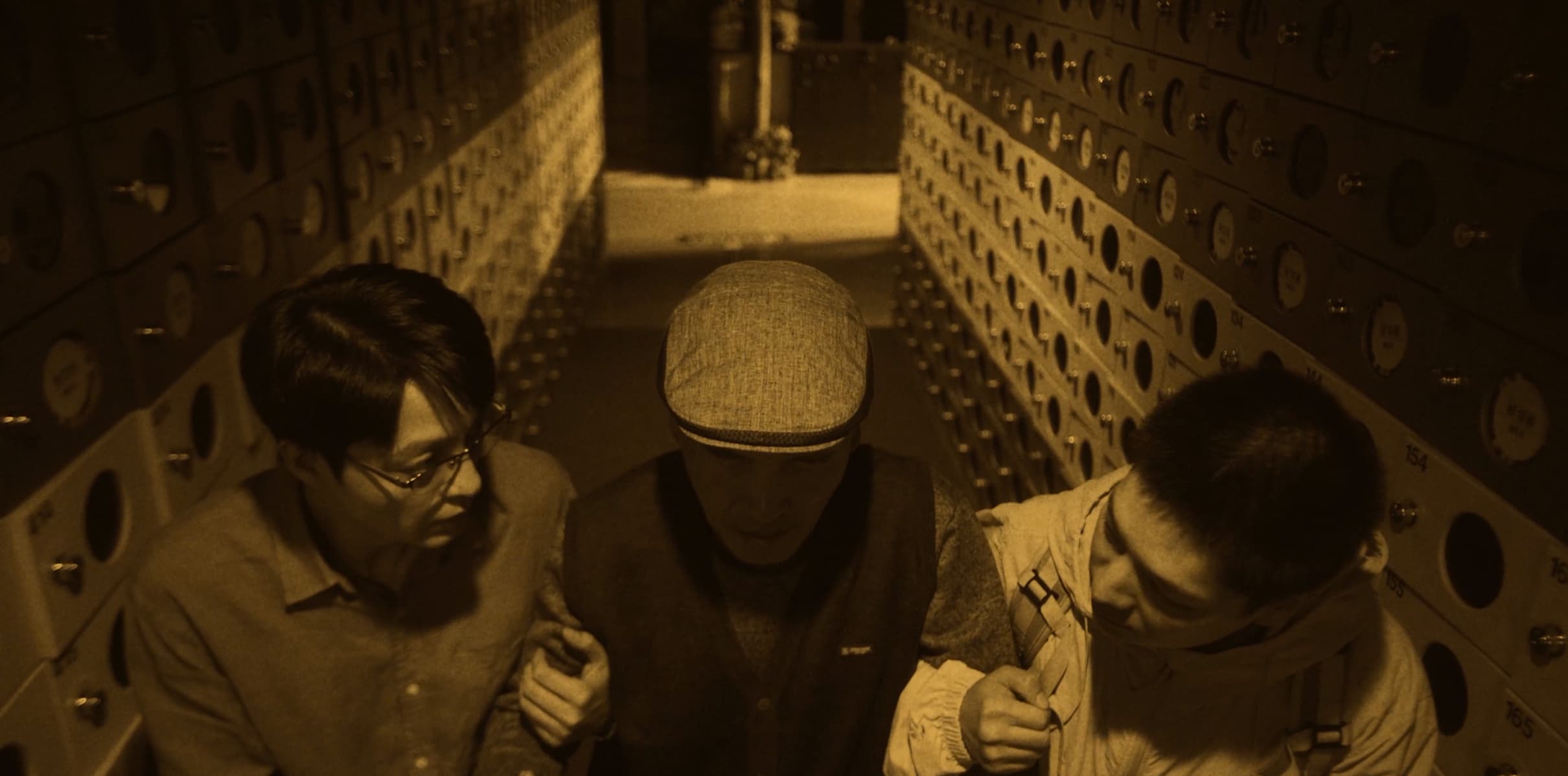
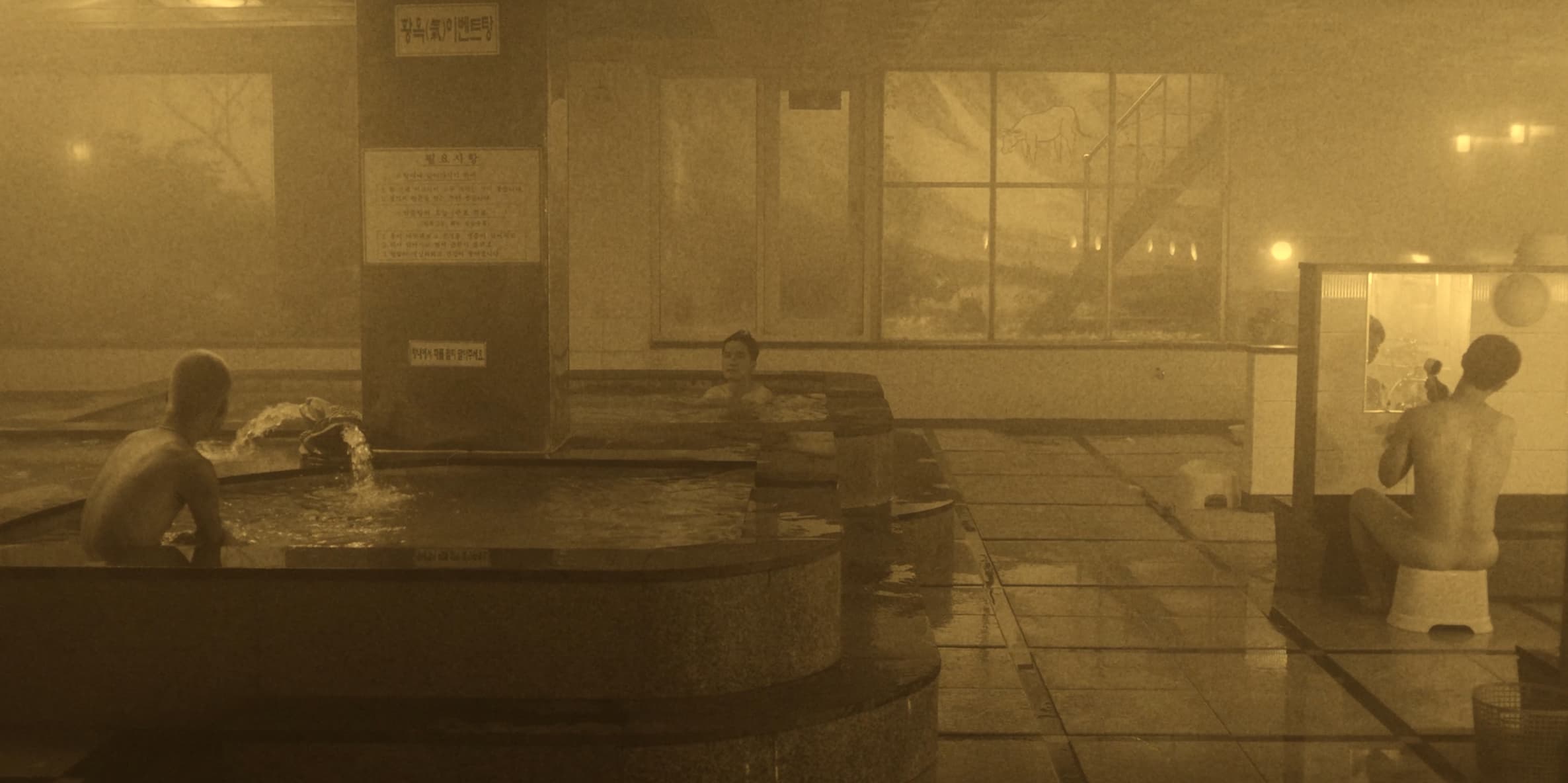
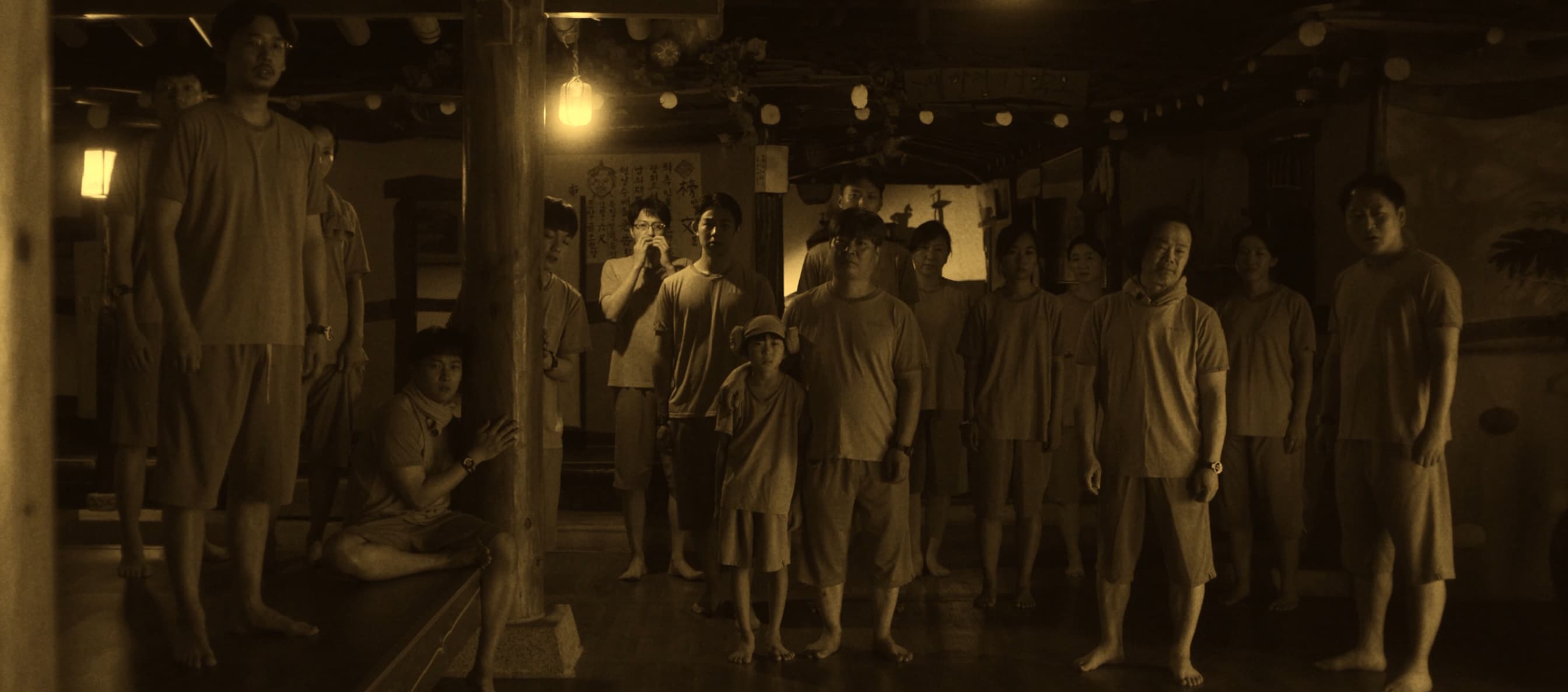
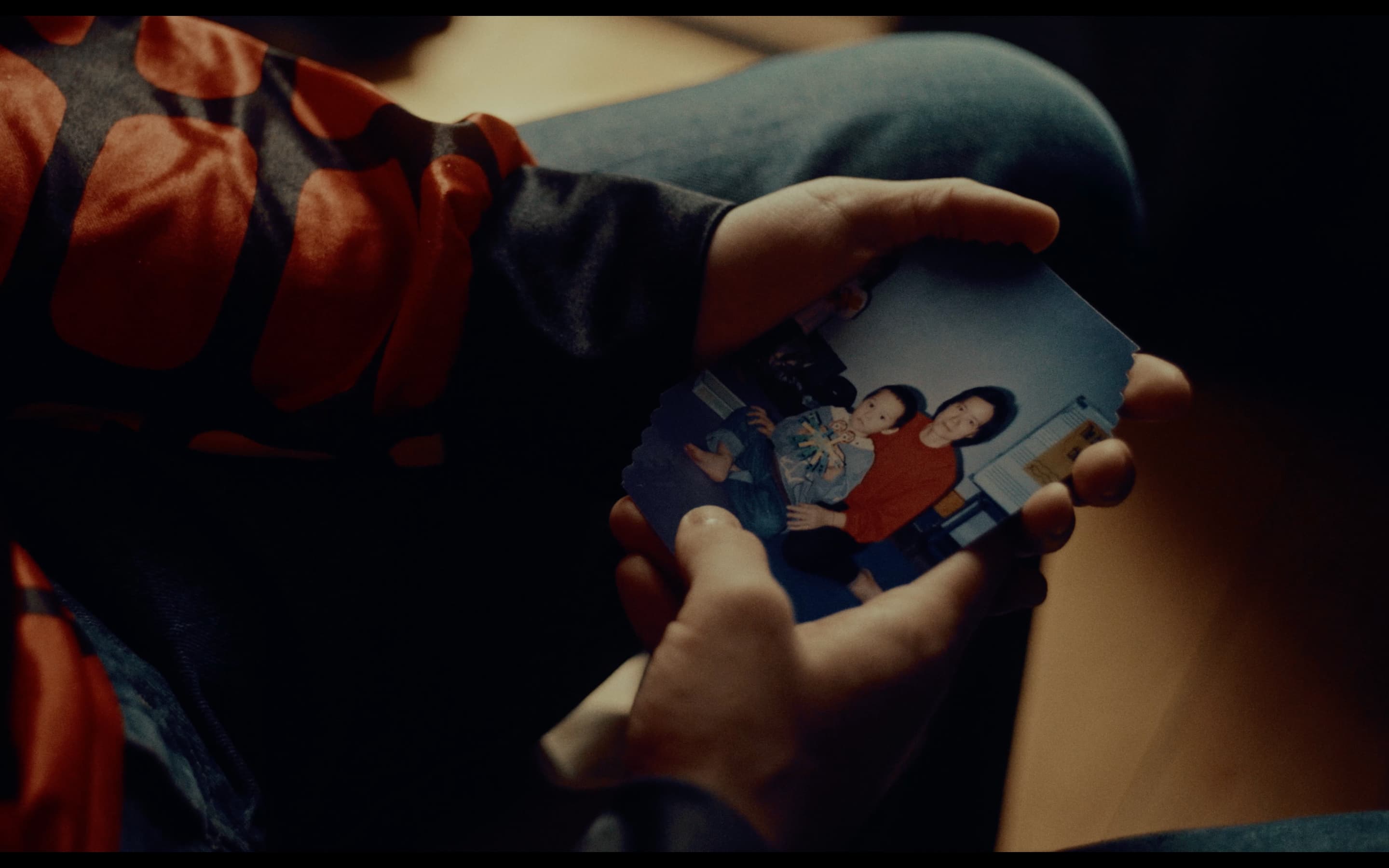
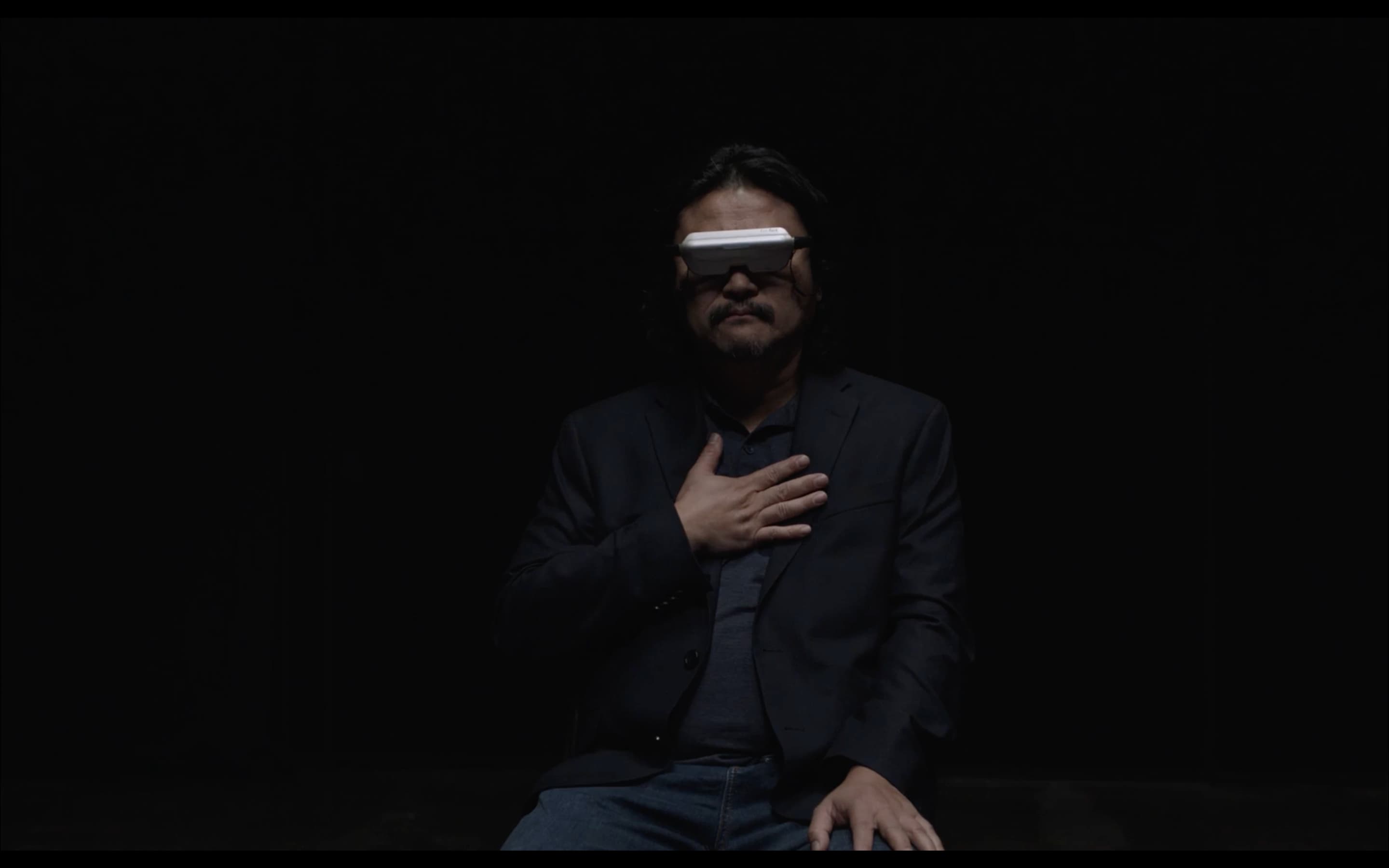
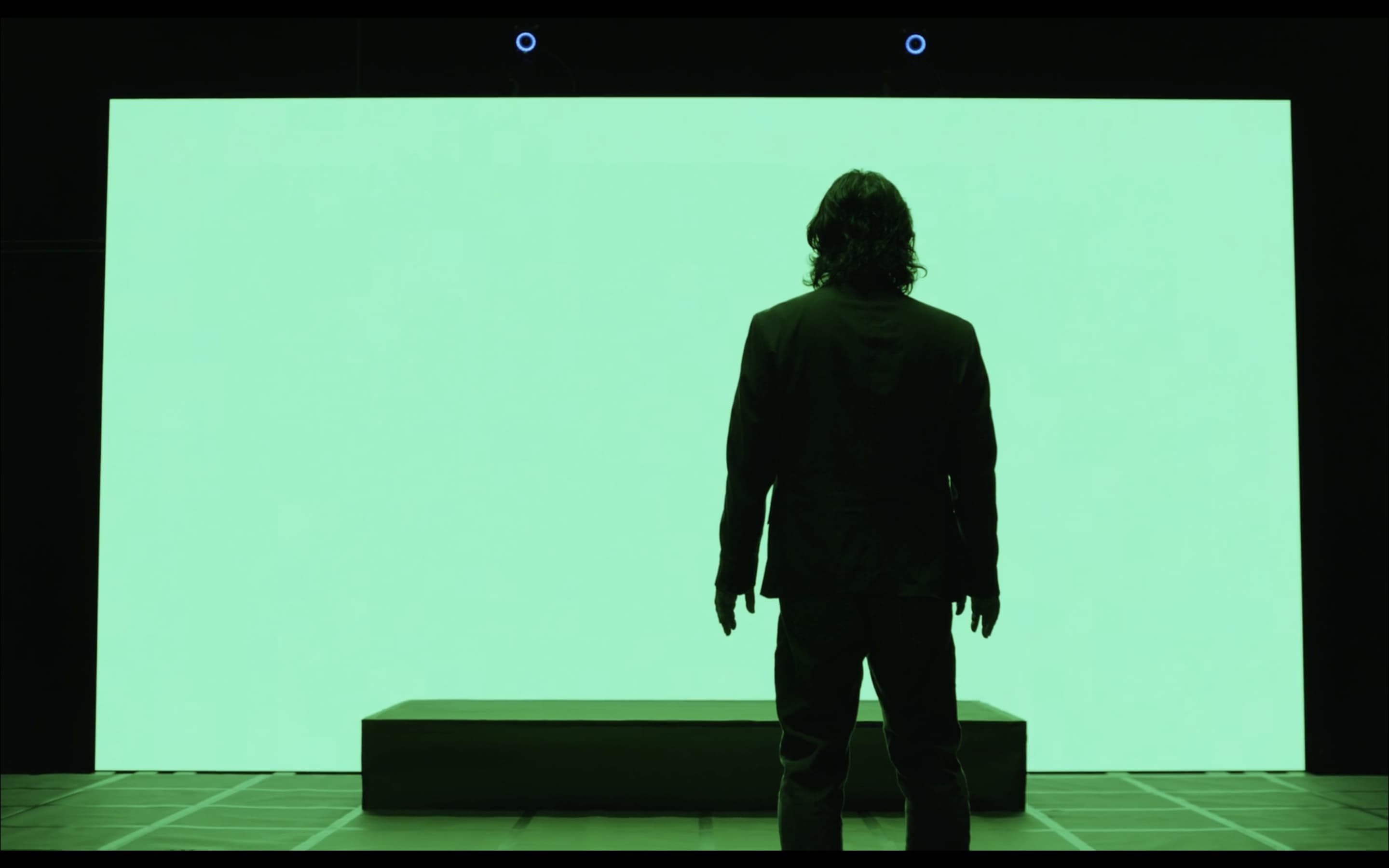
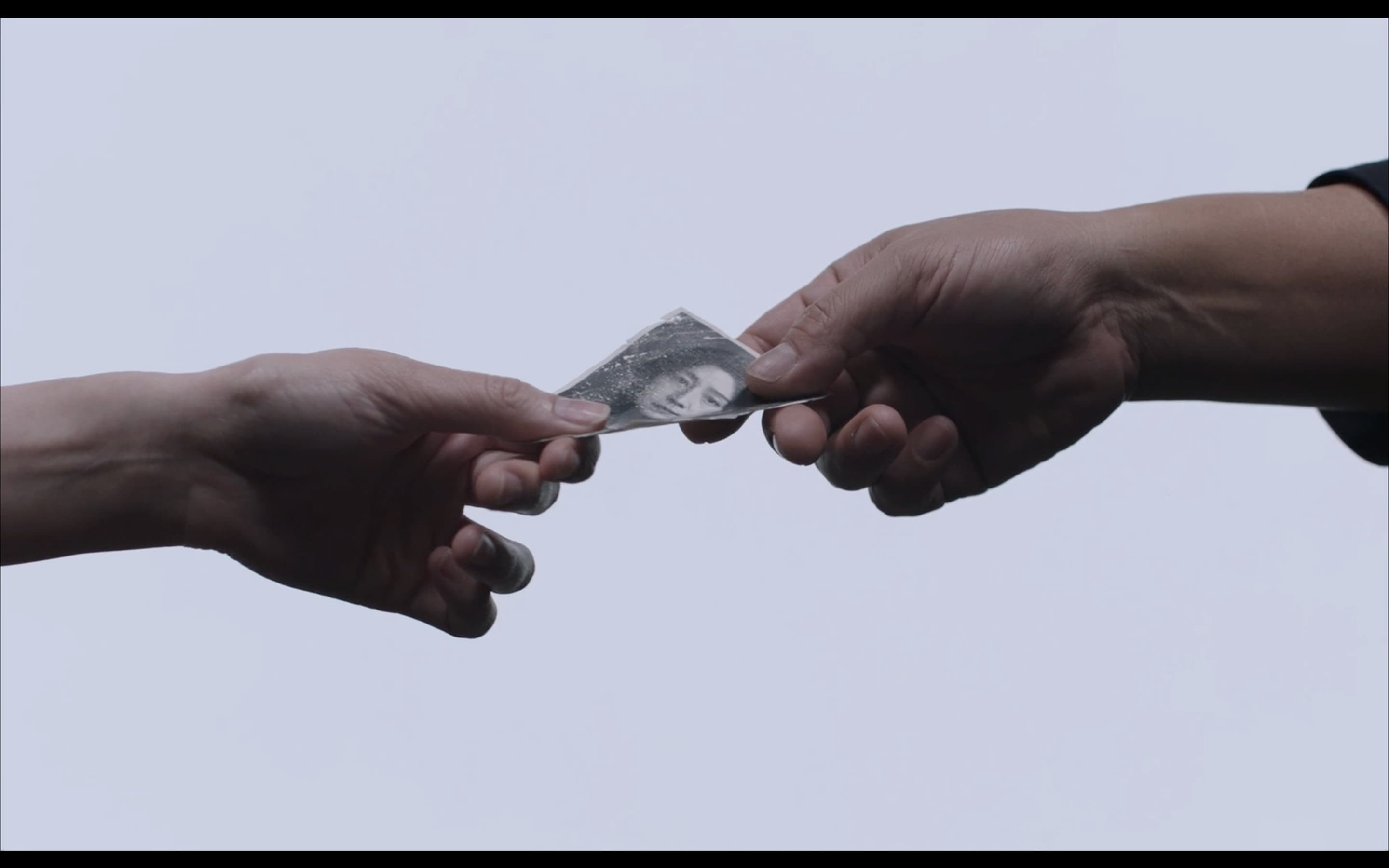
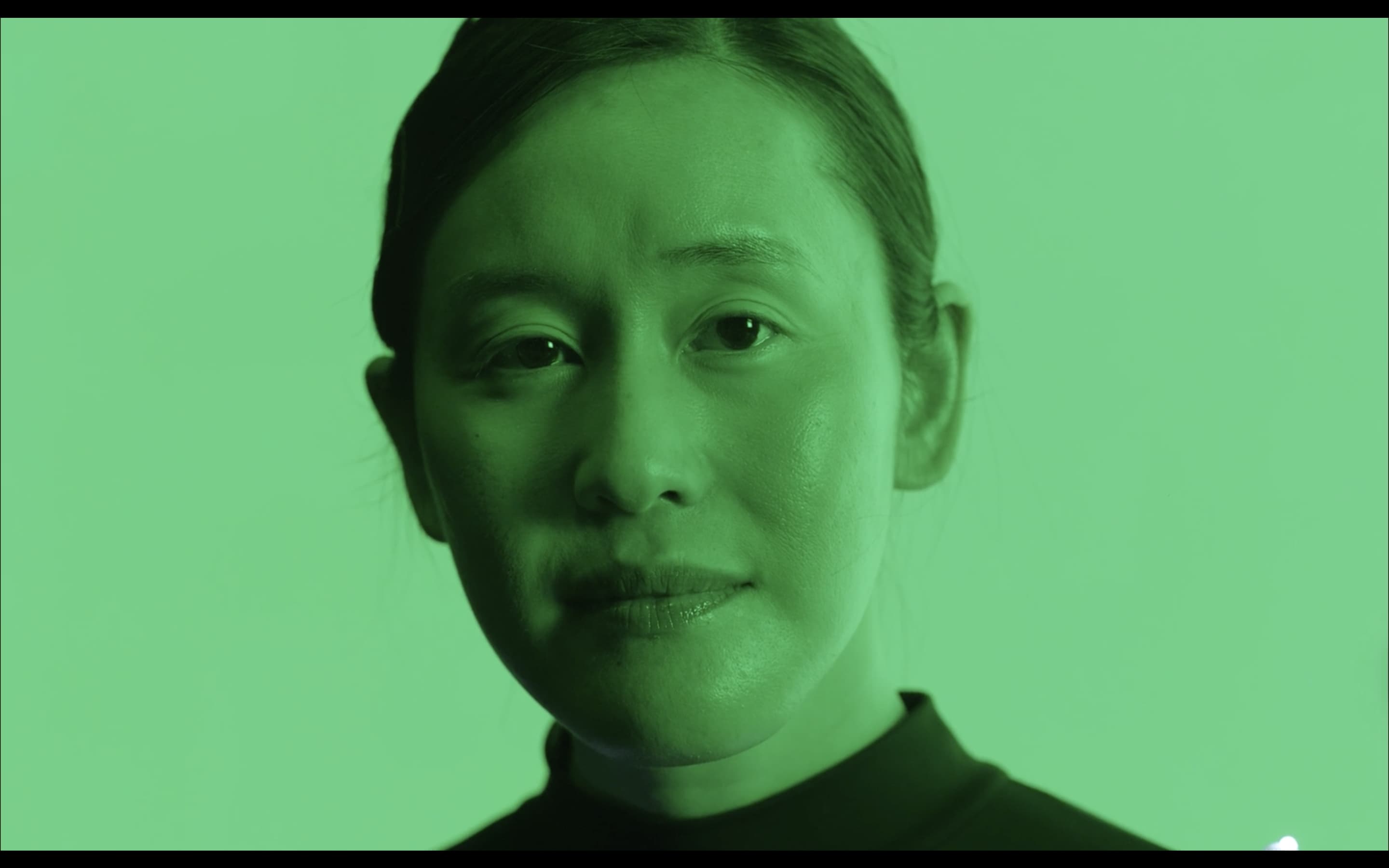
For a long time I have been interested in how memories fade away. My audiovisual roadmap back to my home in Korea goes through various iterations as it not only loses its form, but blurs, collapses, and implodes into a permanent state of deformation. "Fading away" is a misleading notion. It implies erasure, which is hardly ever achieved.
Our distance to it is fixed. It is its reiterative deformation that projects an image of distance. Yet an ordinary trigger can jerk it forward. It was never as distant as it seemed, just suspended indefinitely.
Technology has been my medium, its imperfection unknowingly mirroring my own. The latent space of an LLM is not only a blueprint of its design but another mystery entirely.
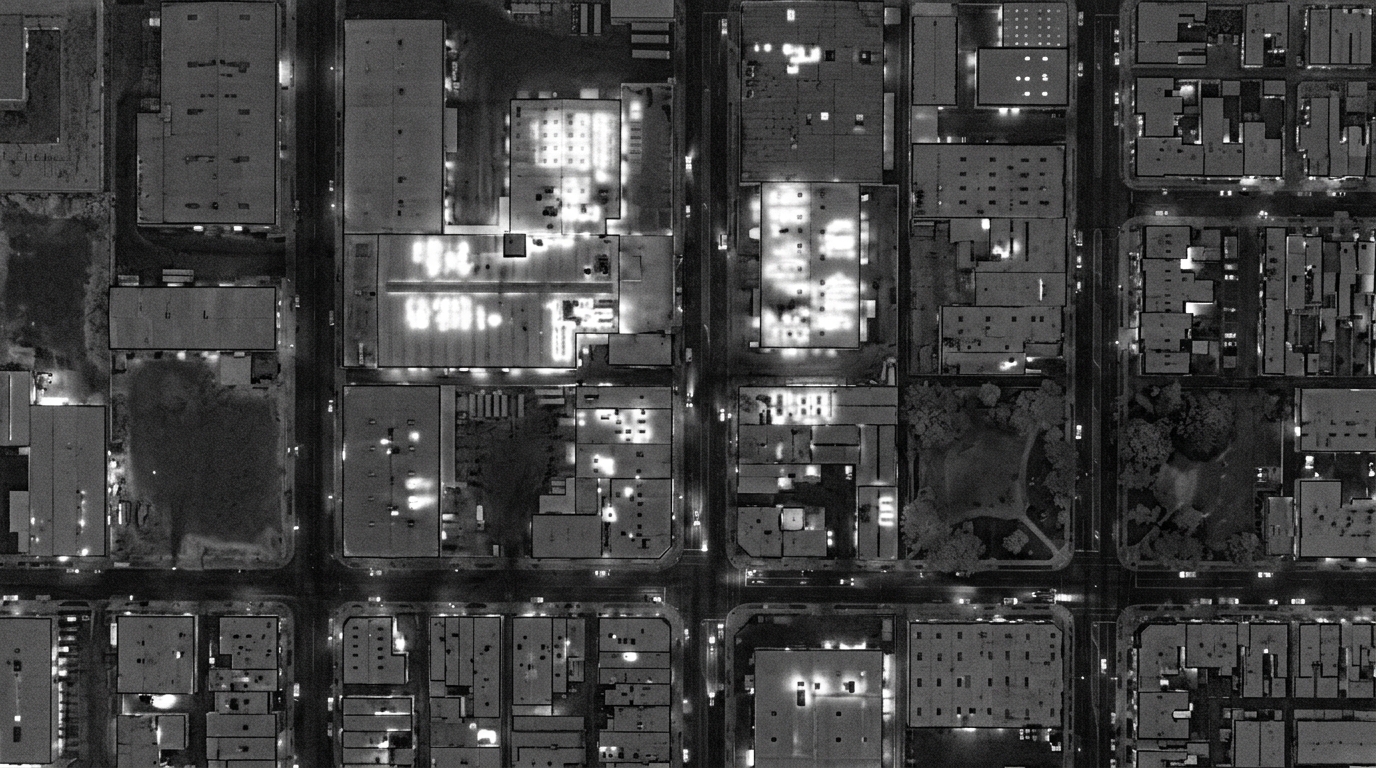
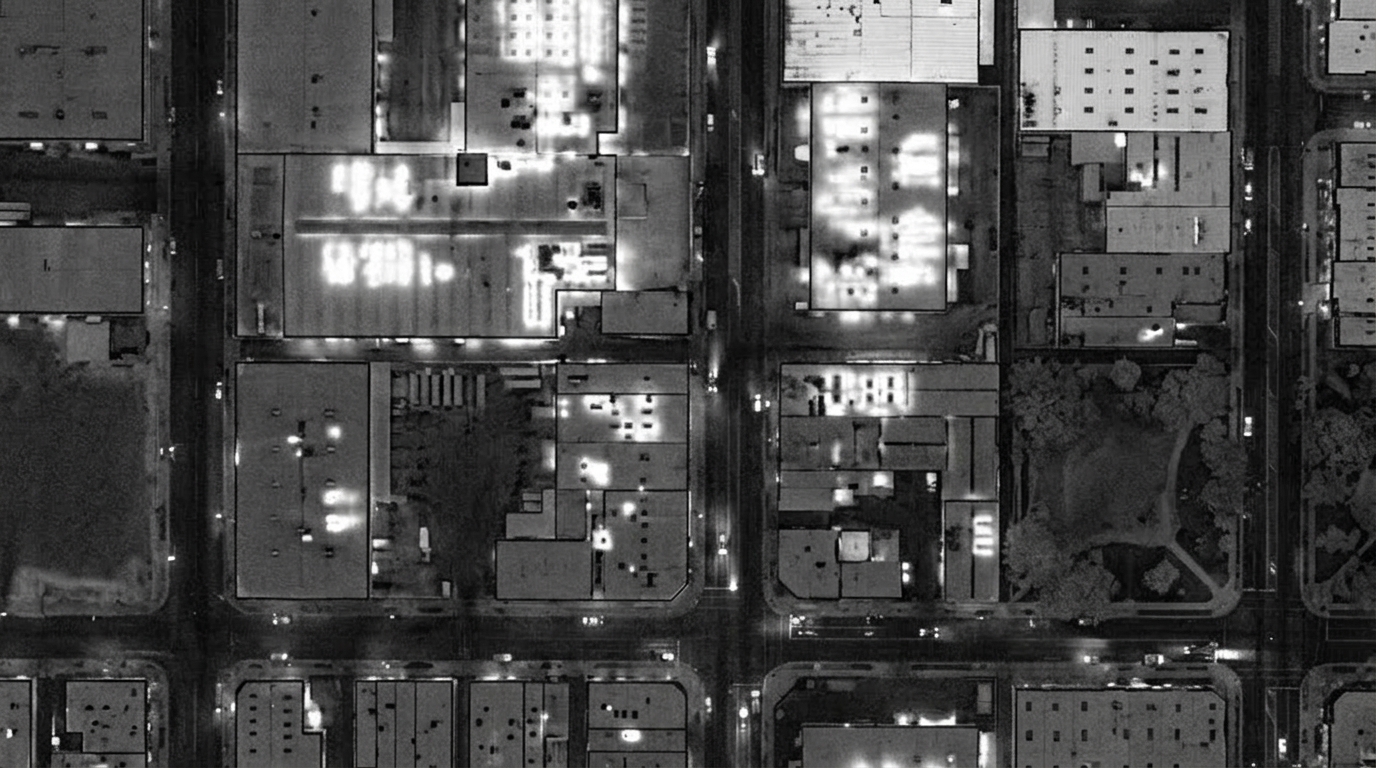
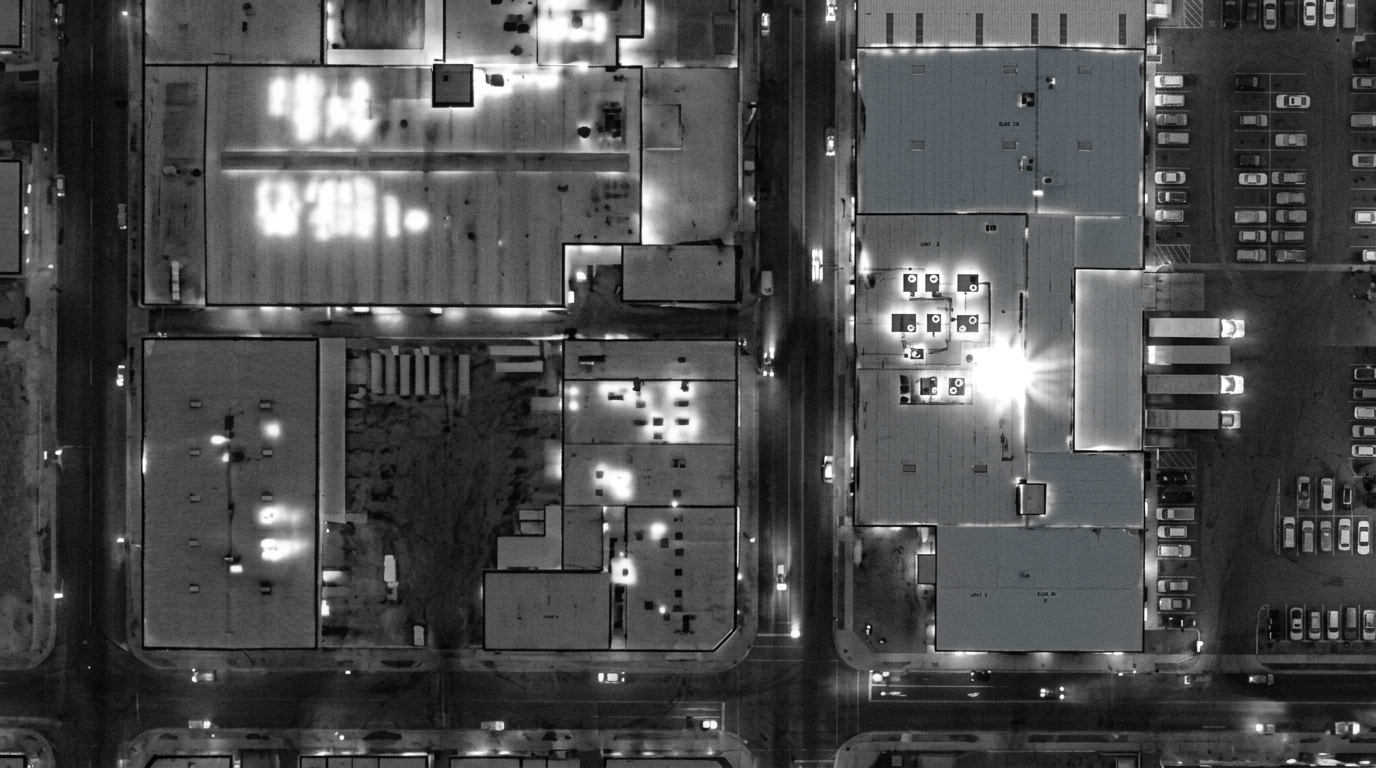
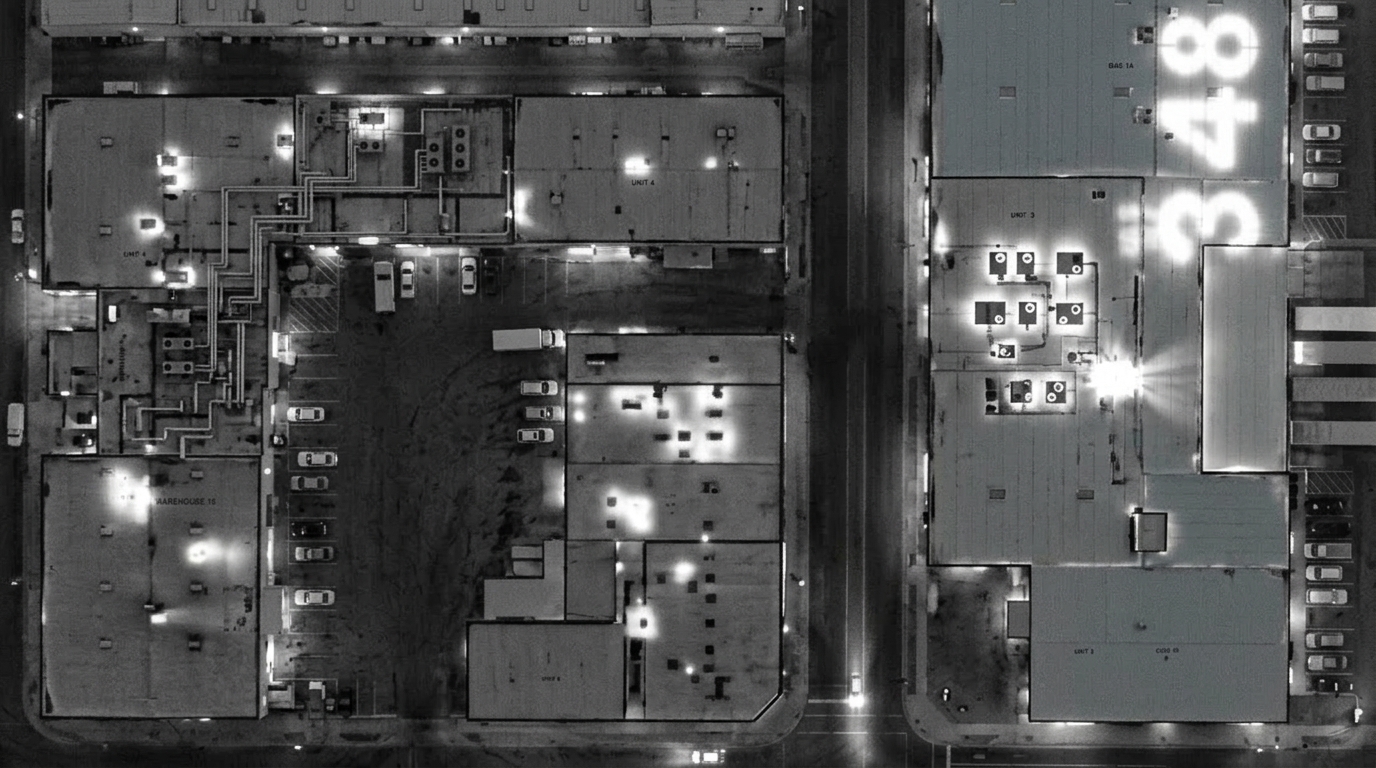
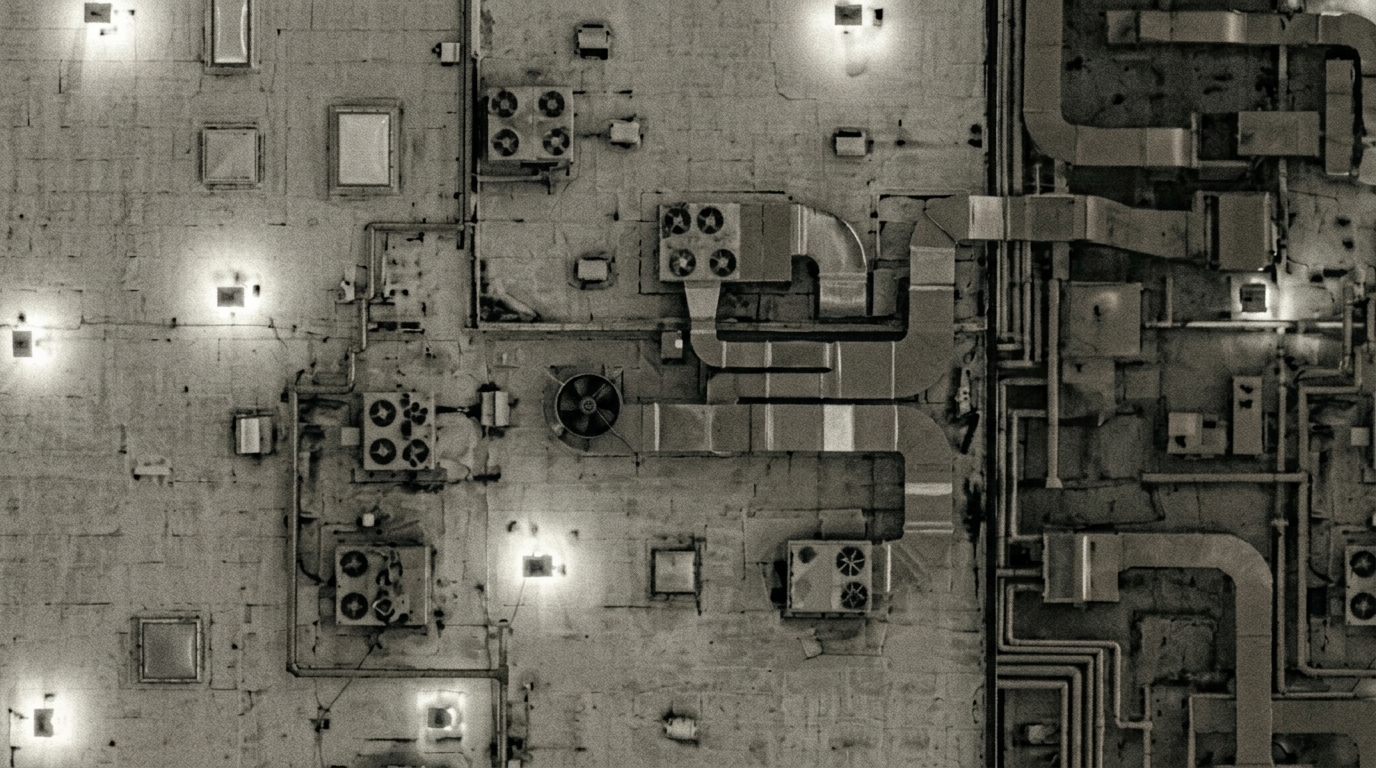
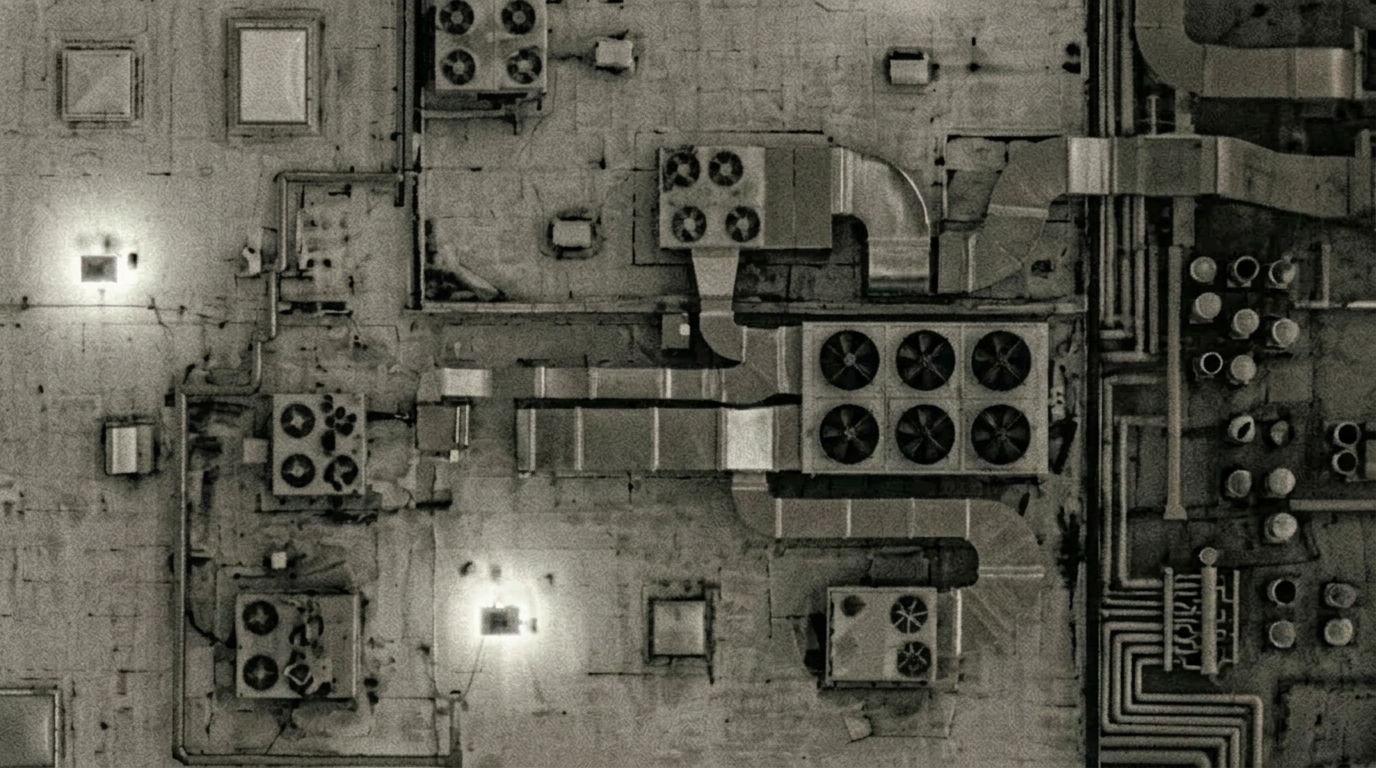
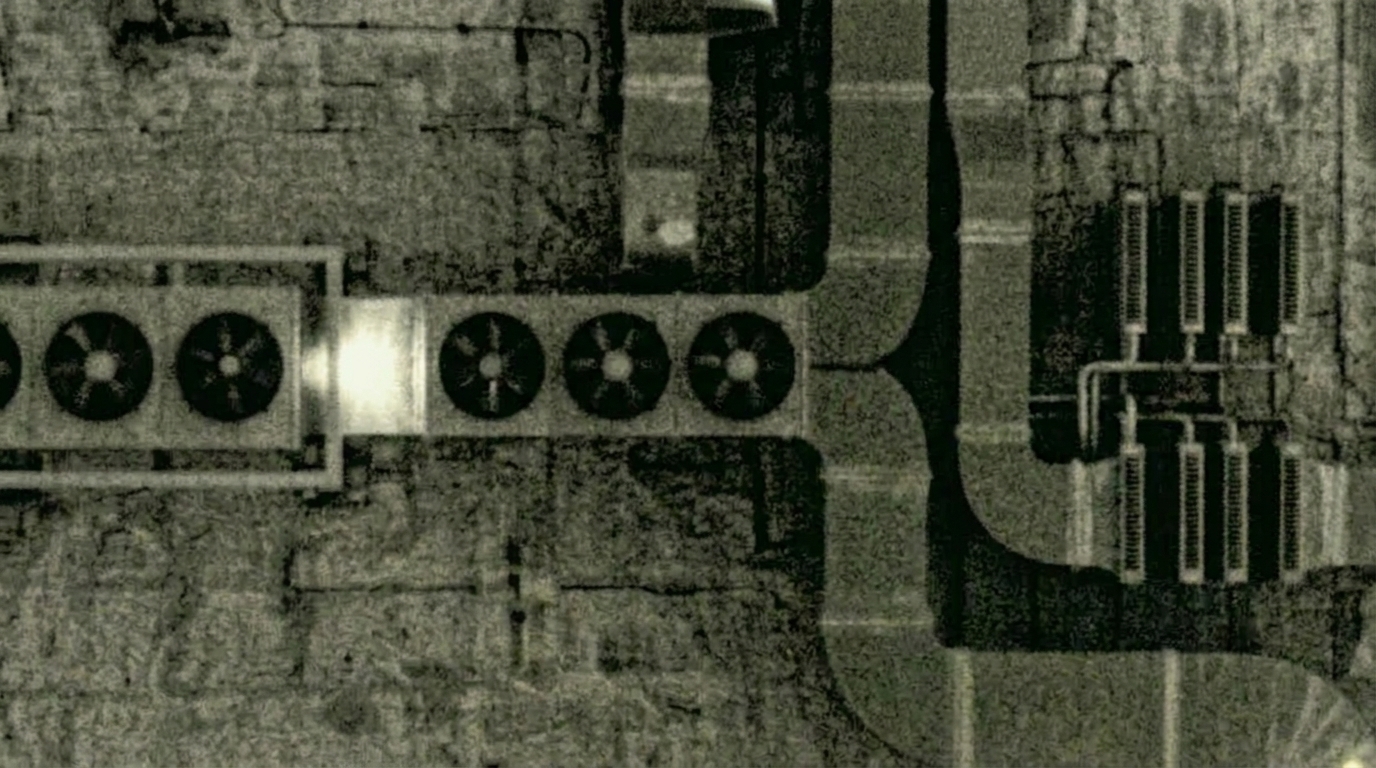
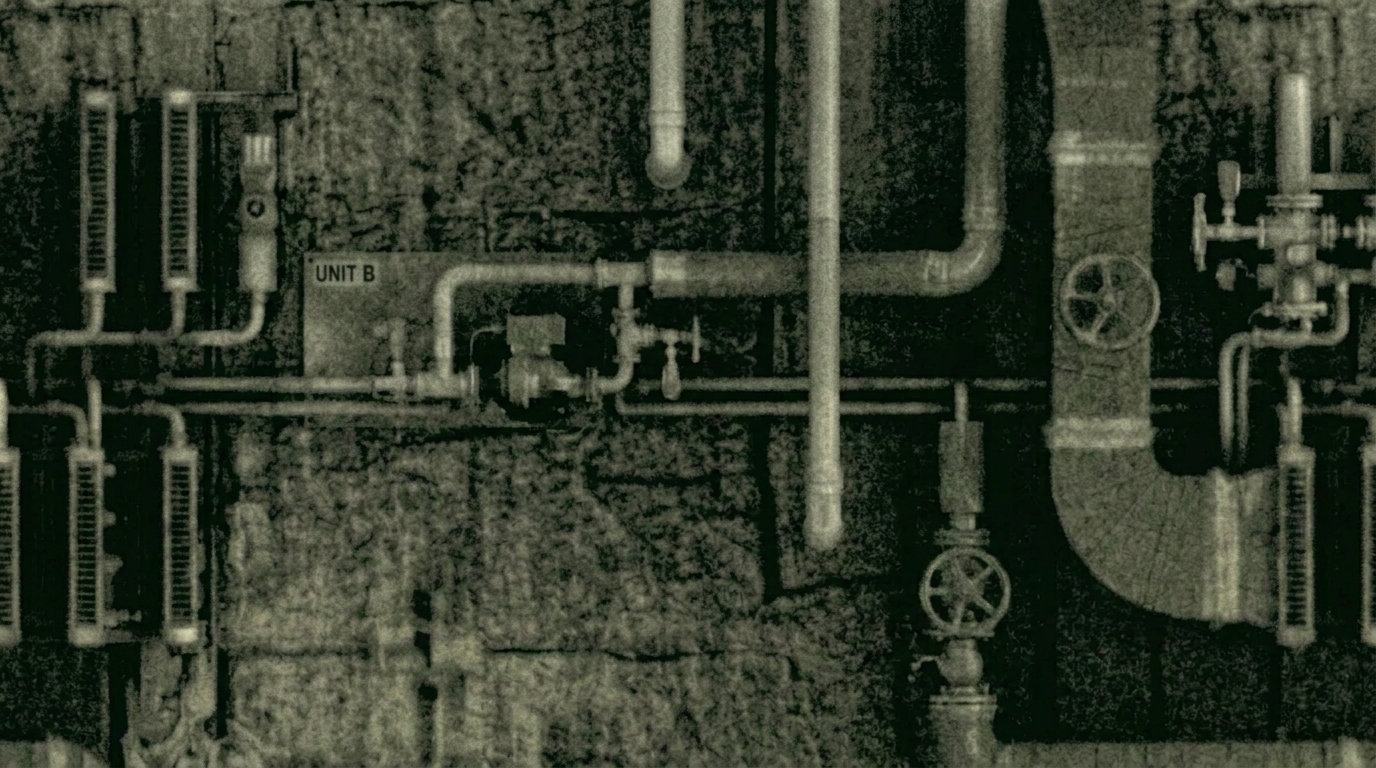
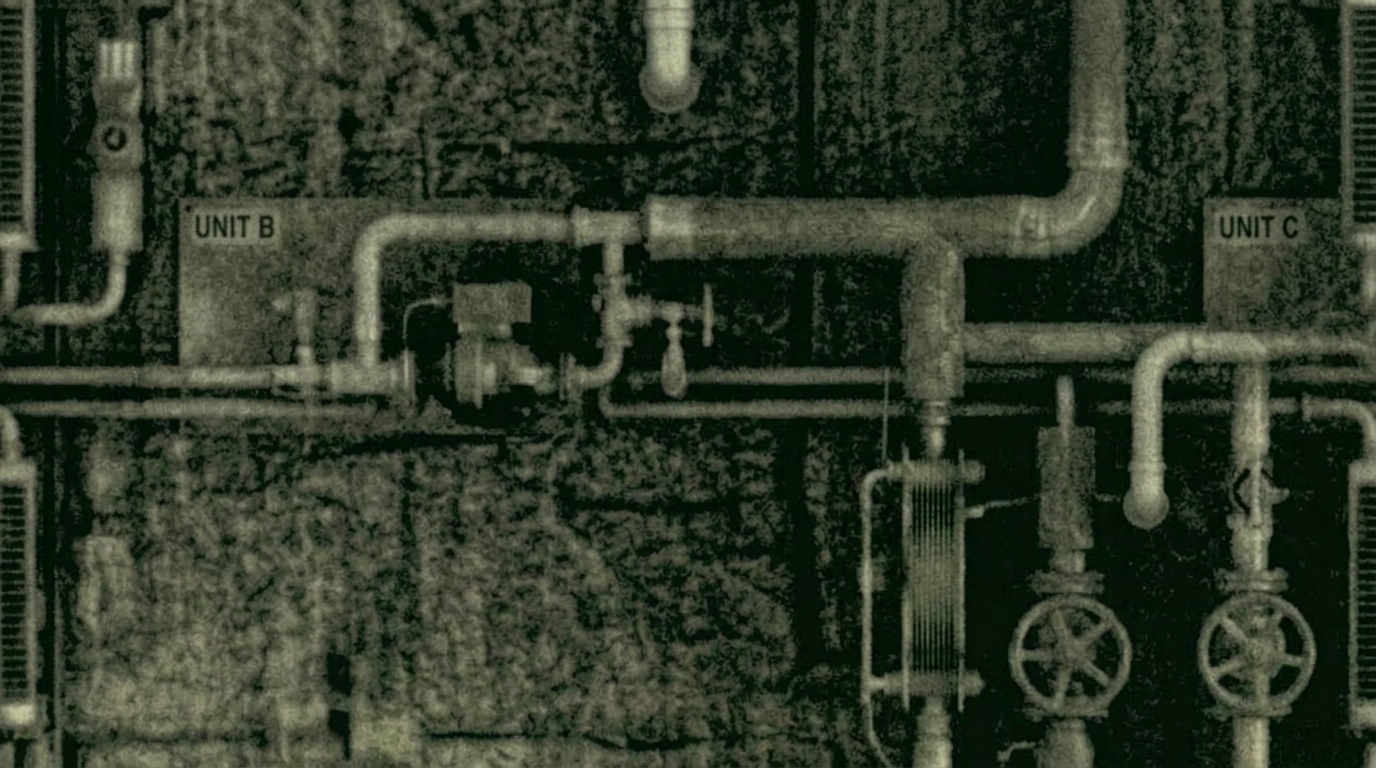
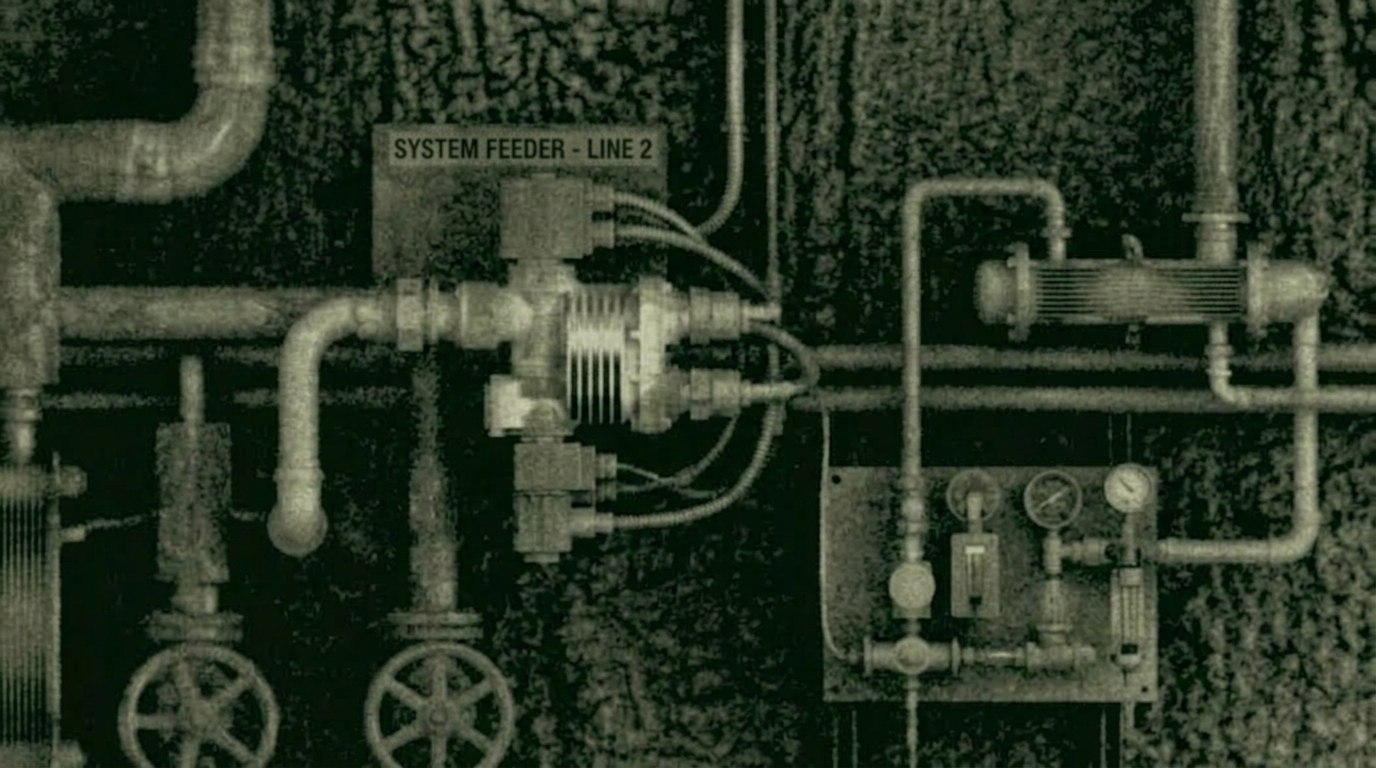
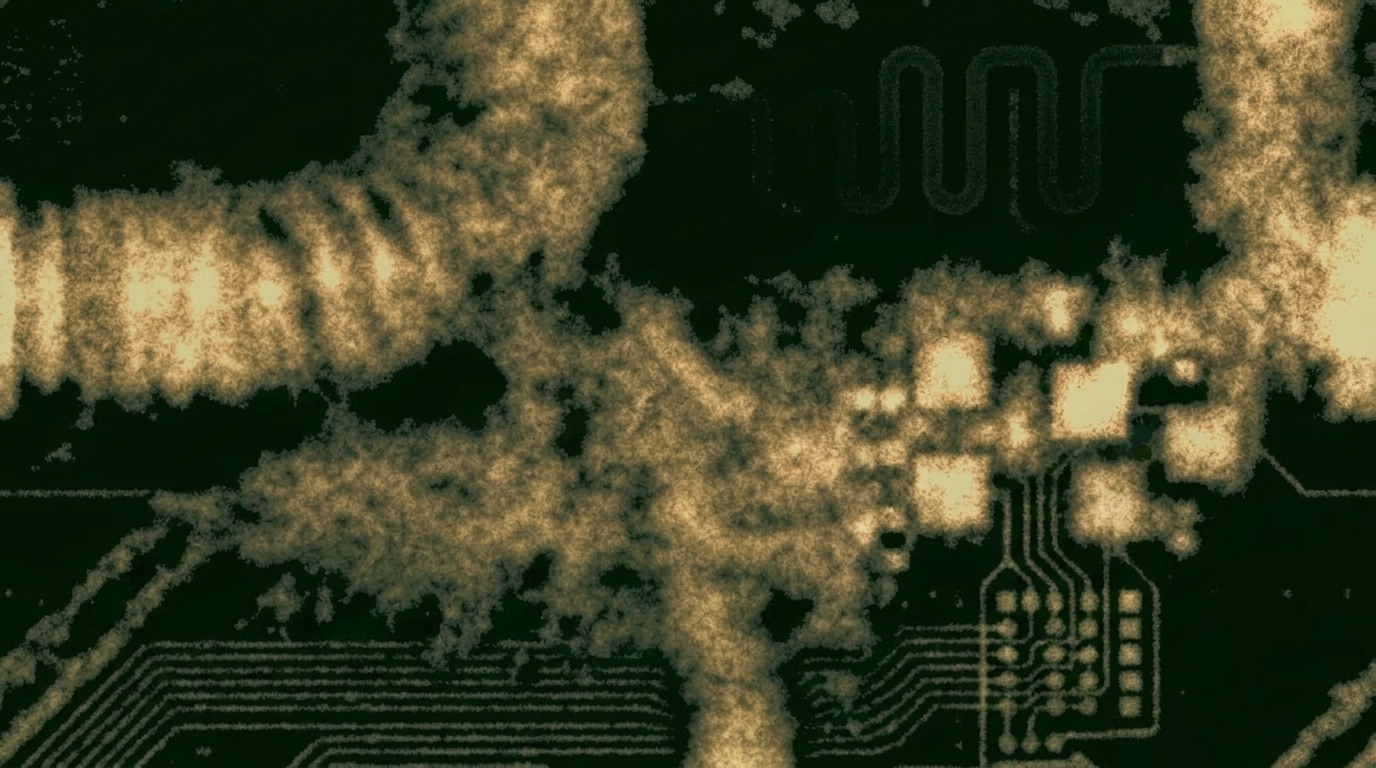
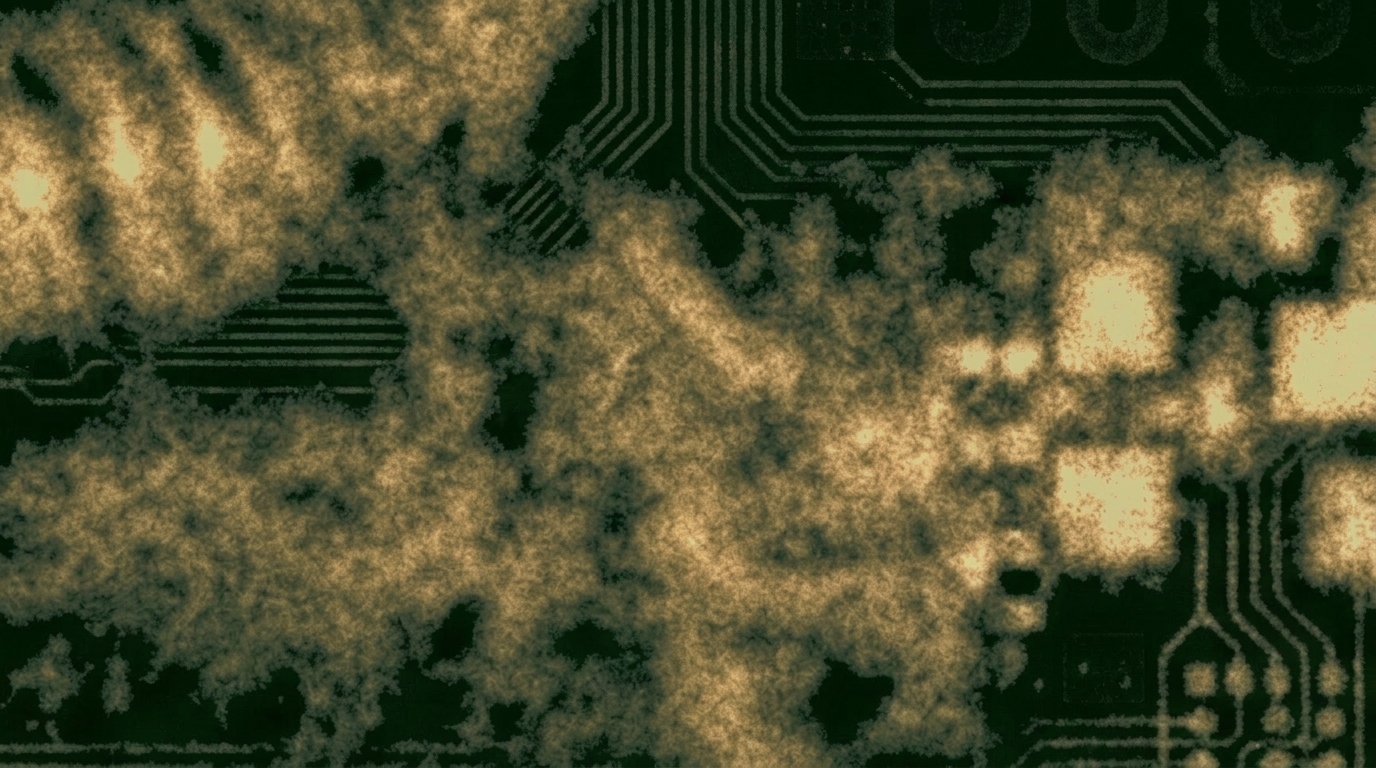
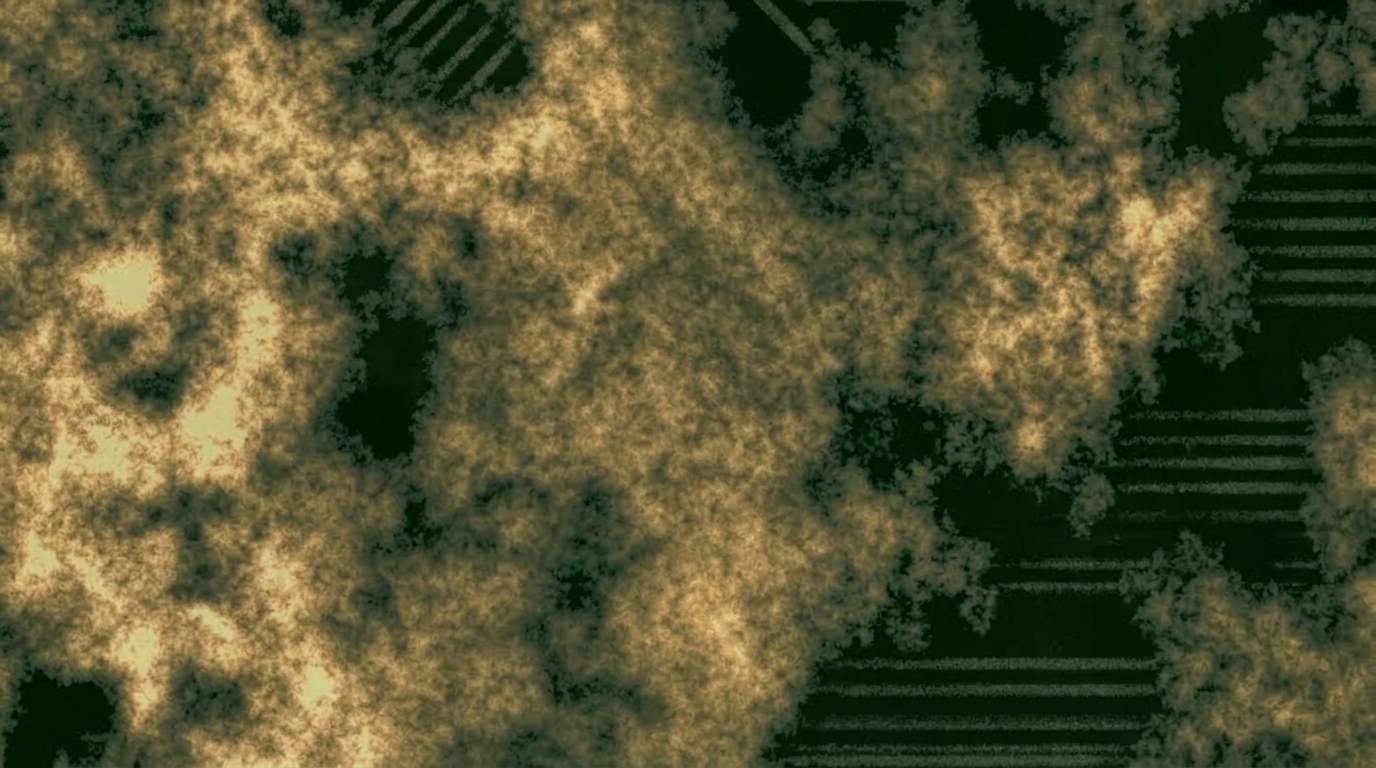
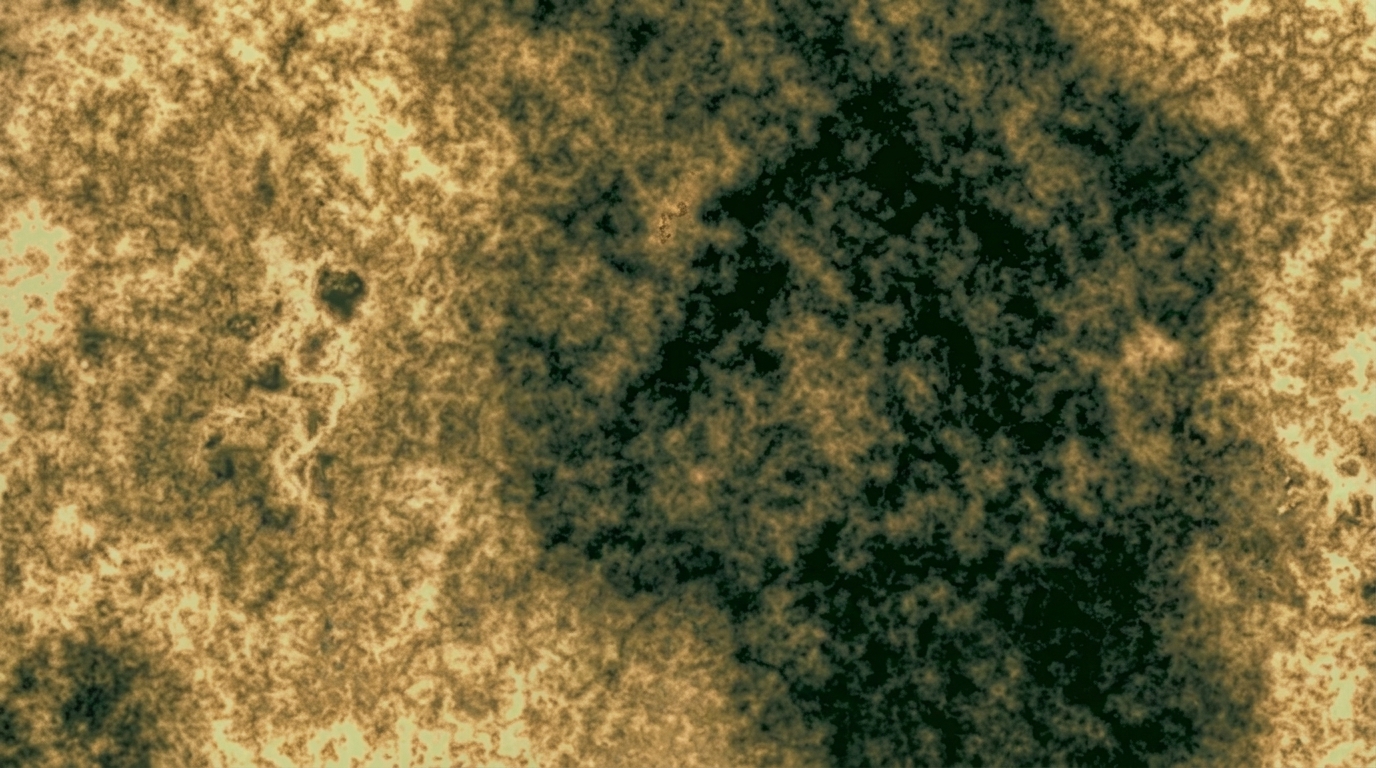
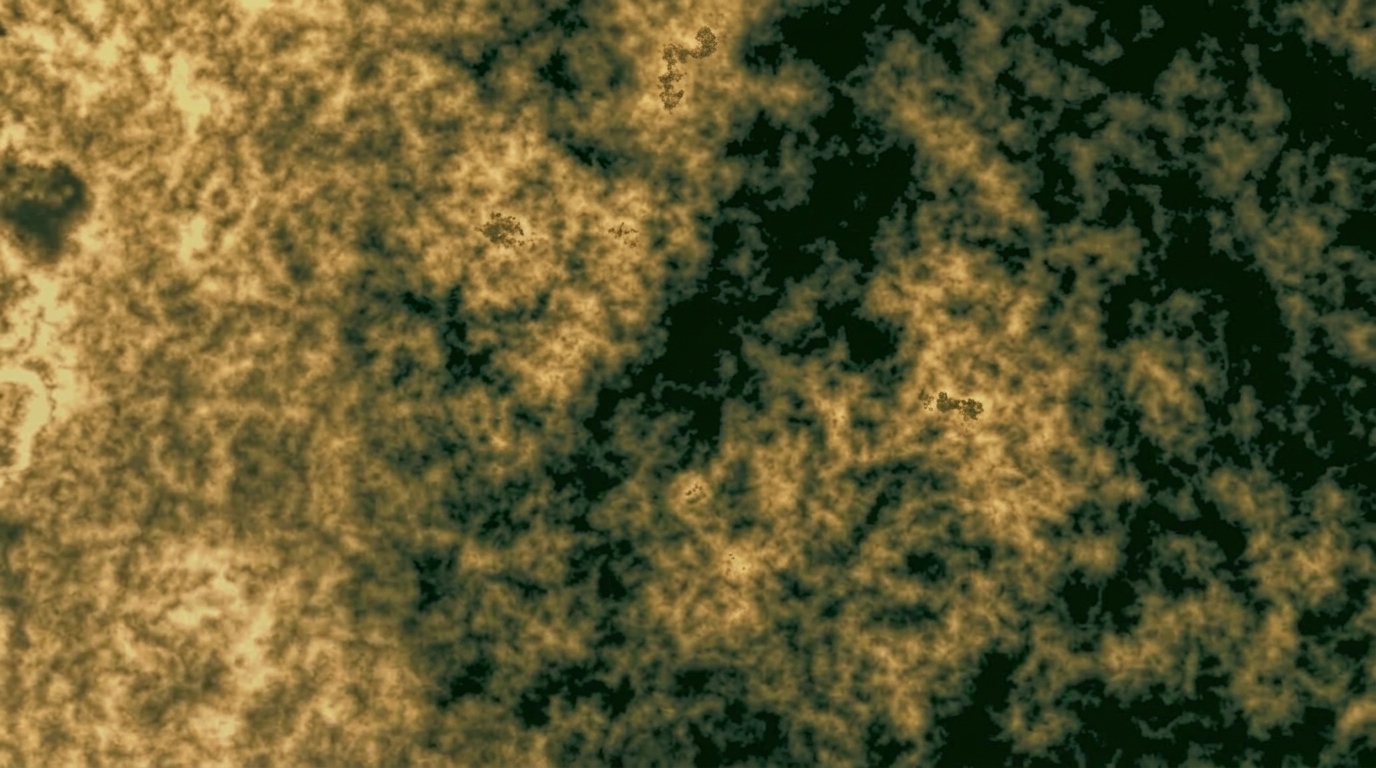
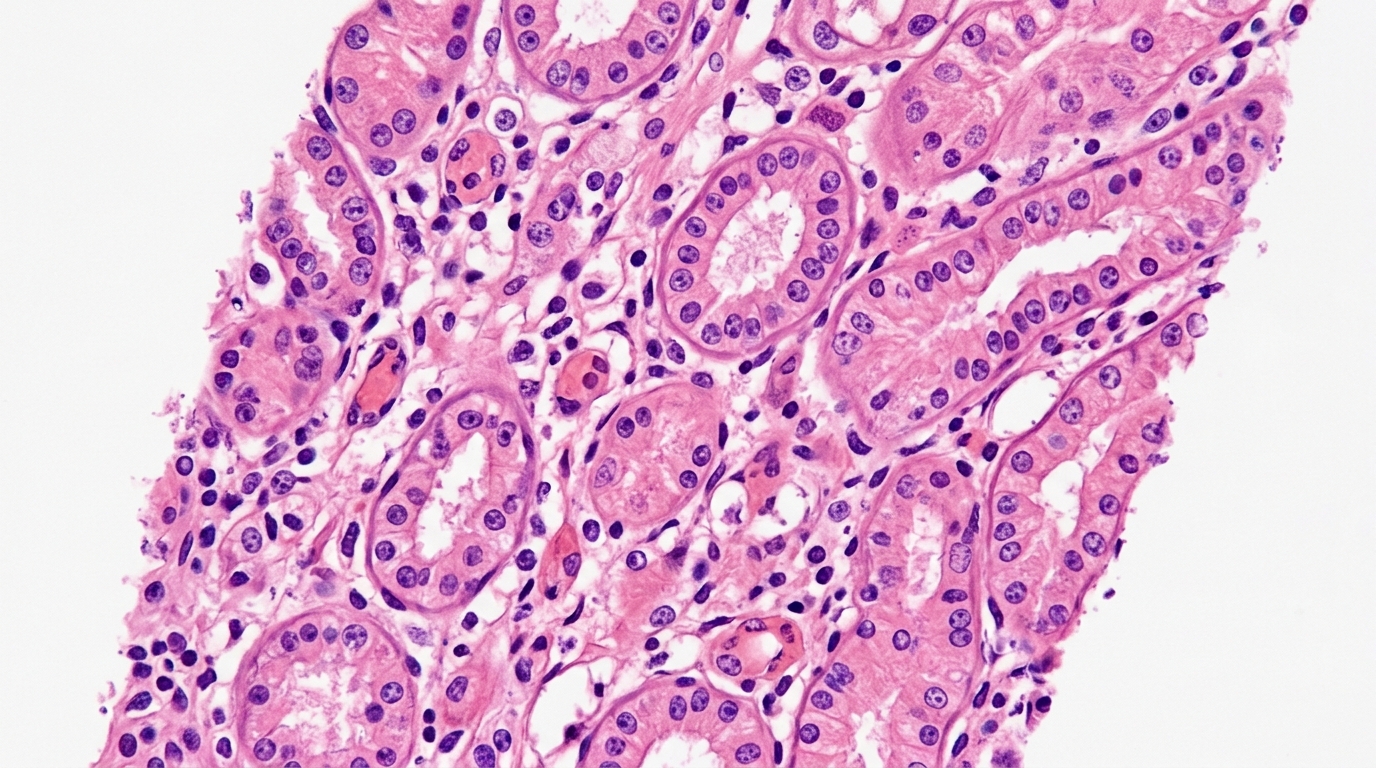
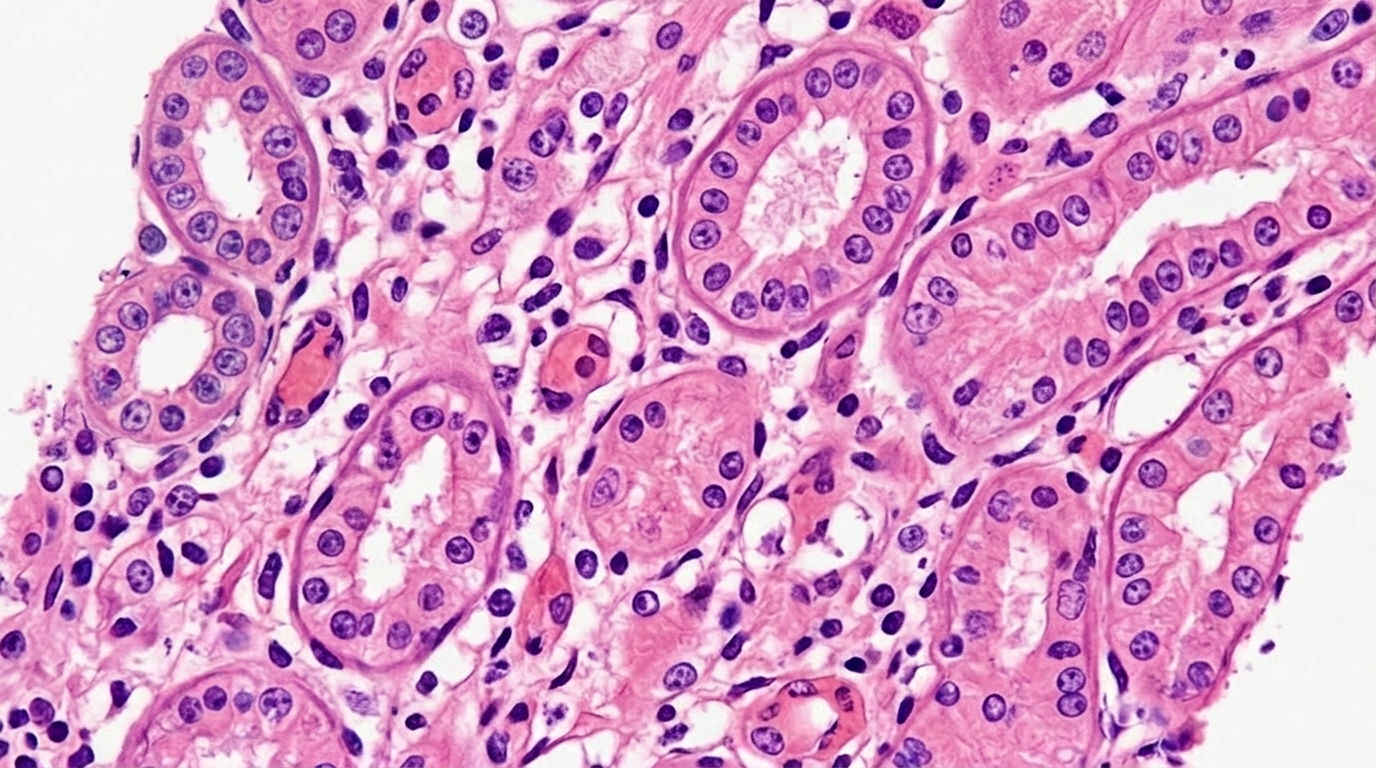
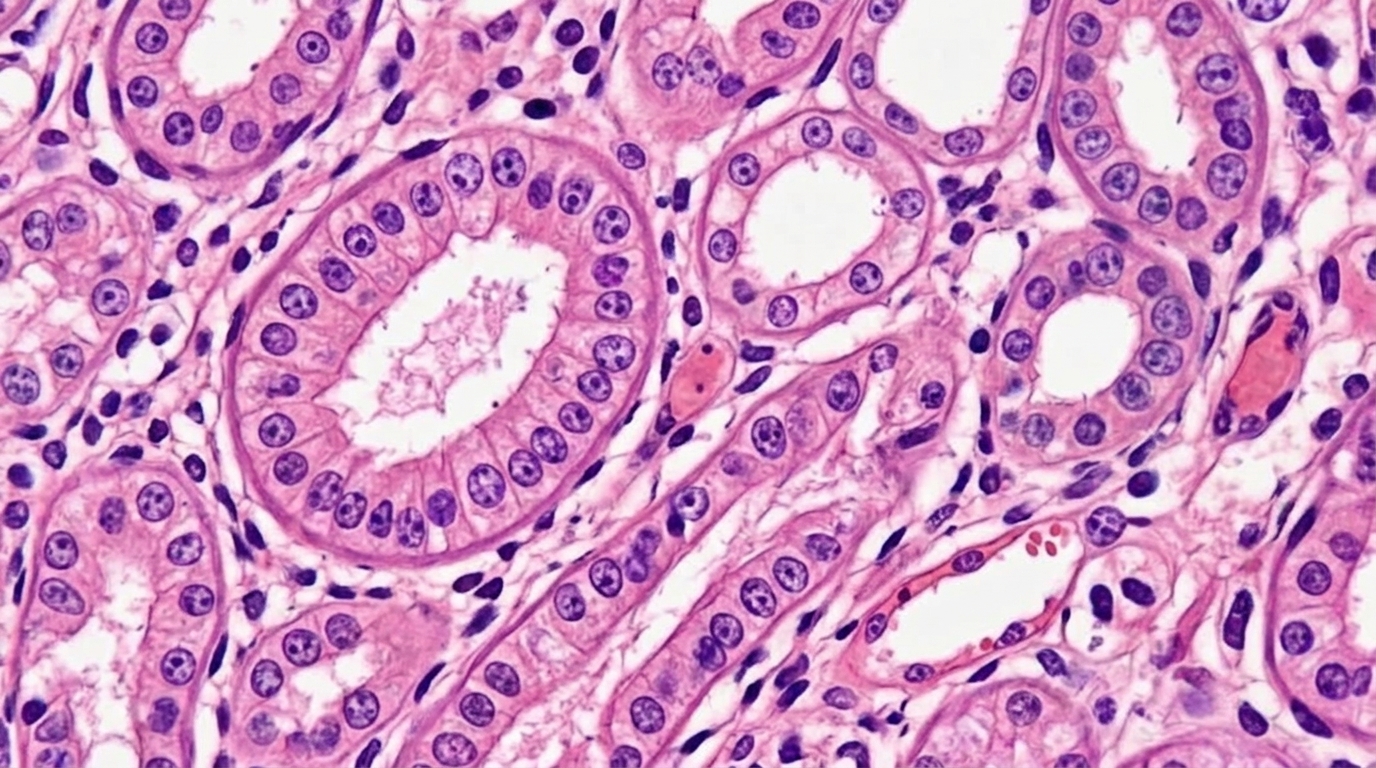
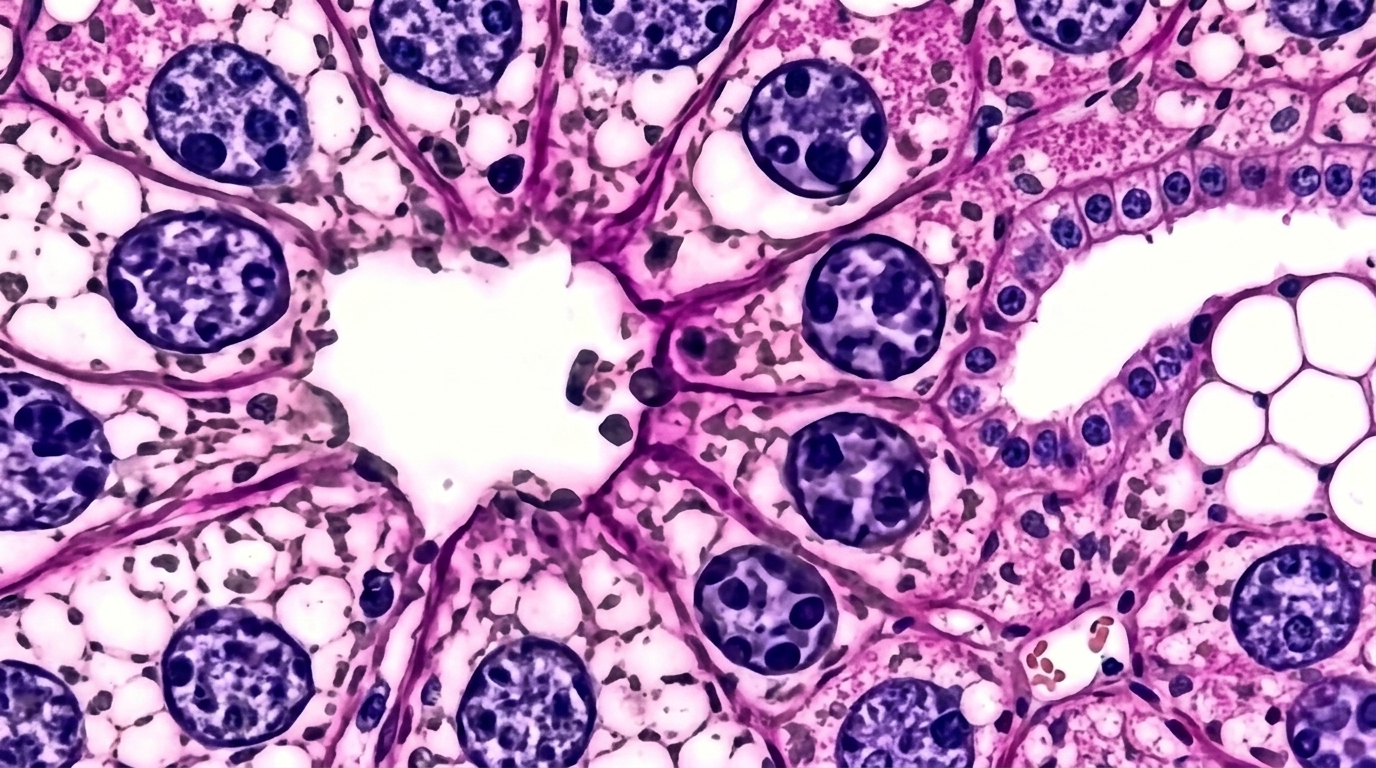
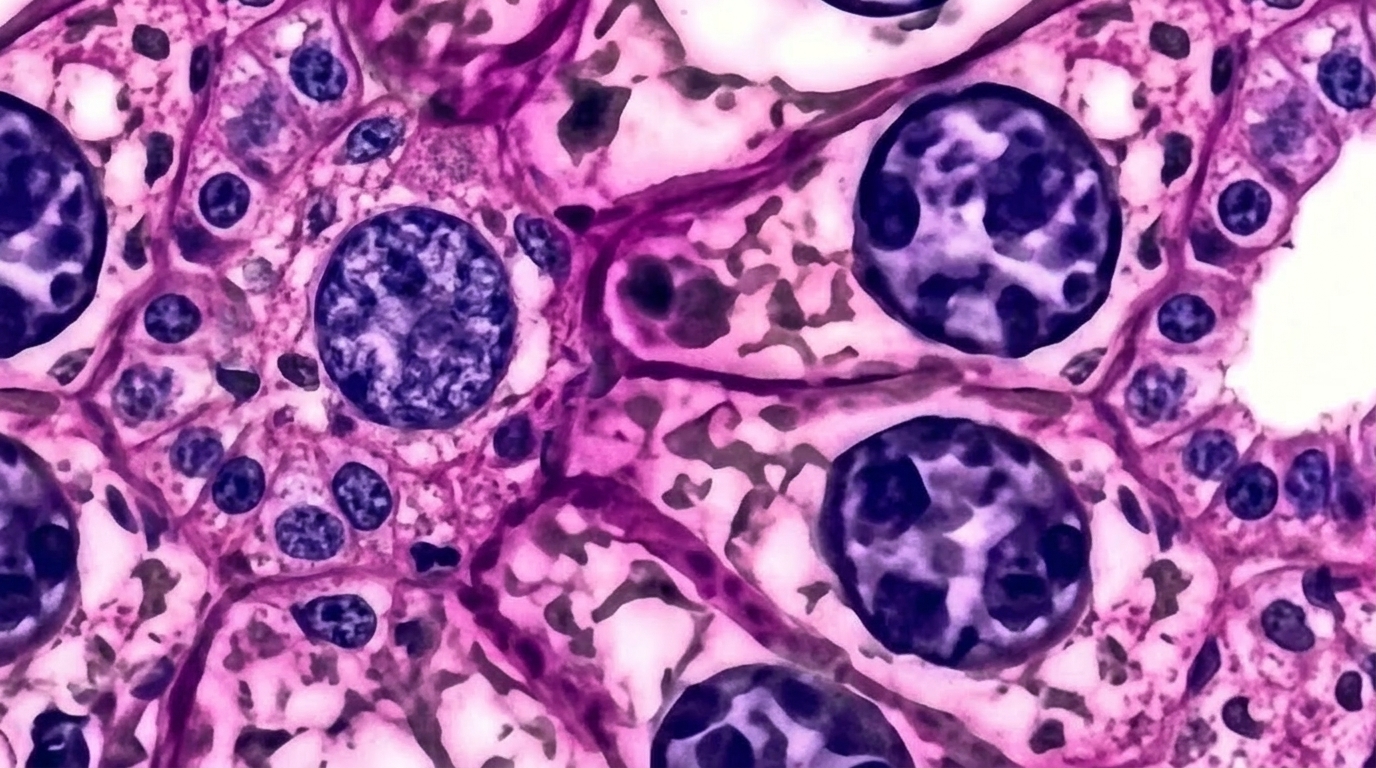
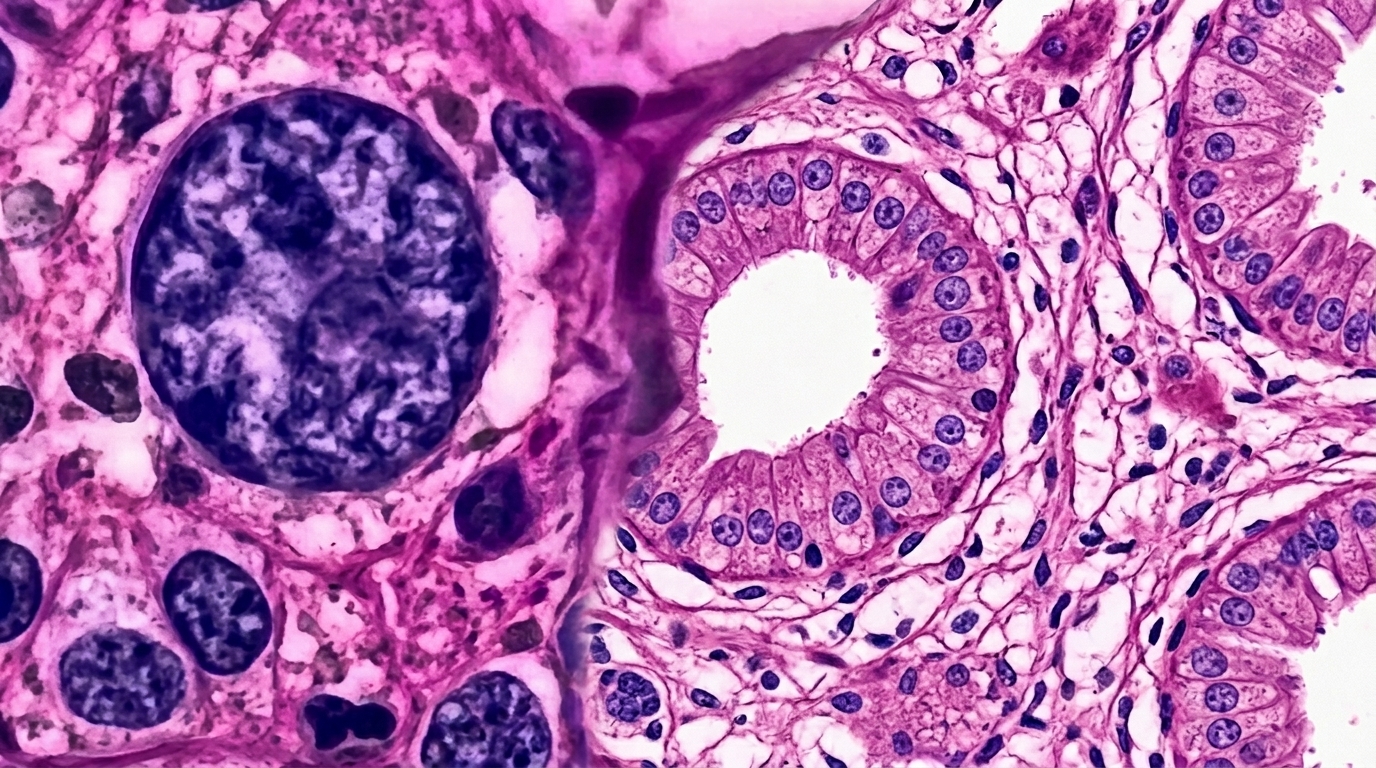
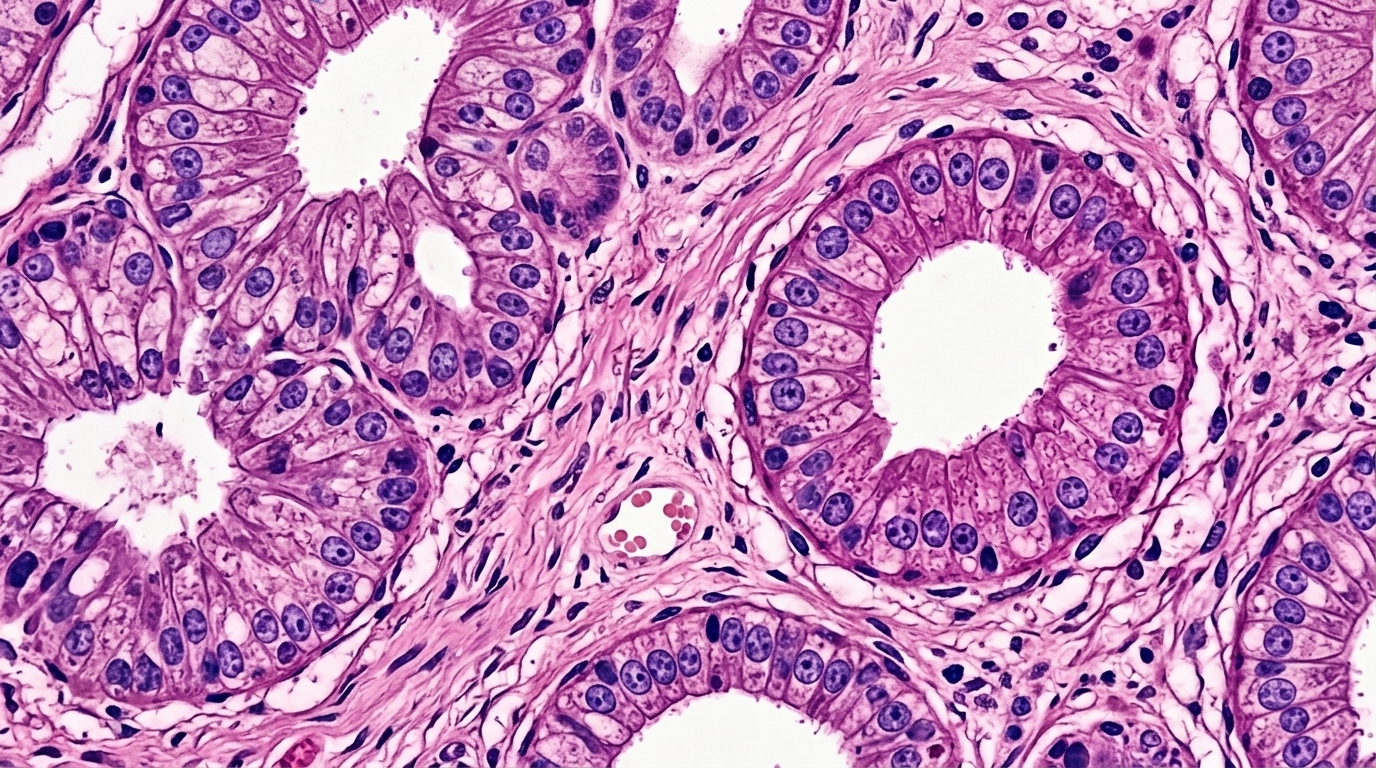
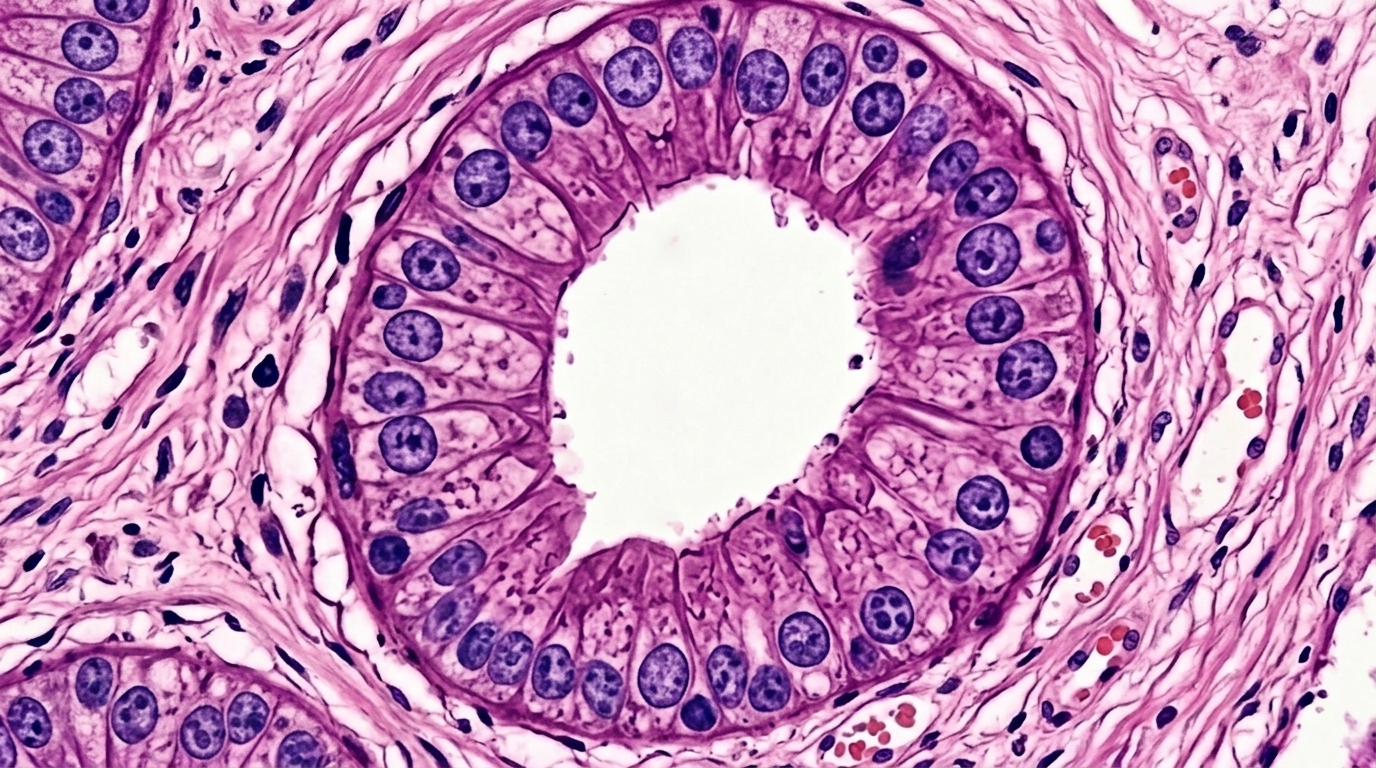
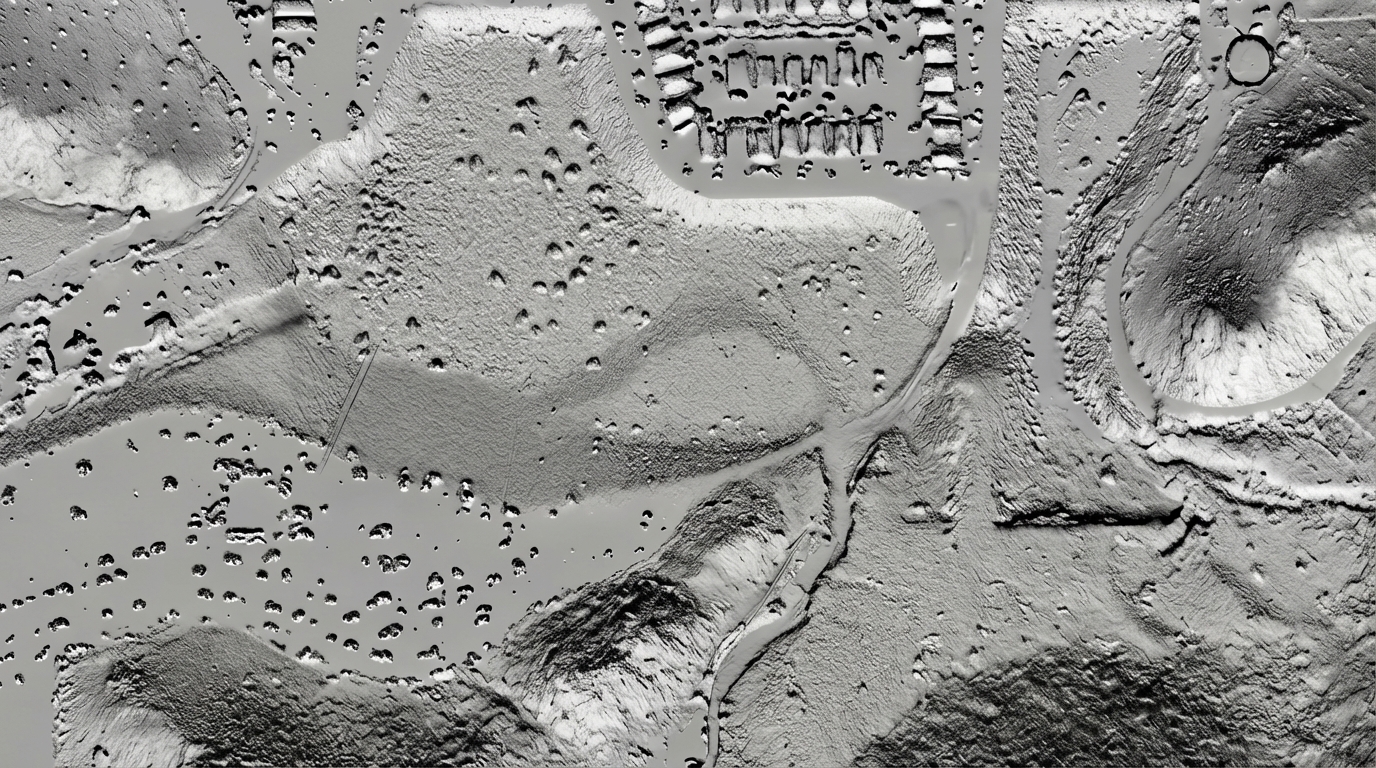
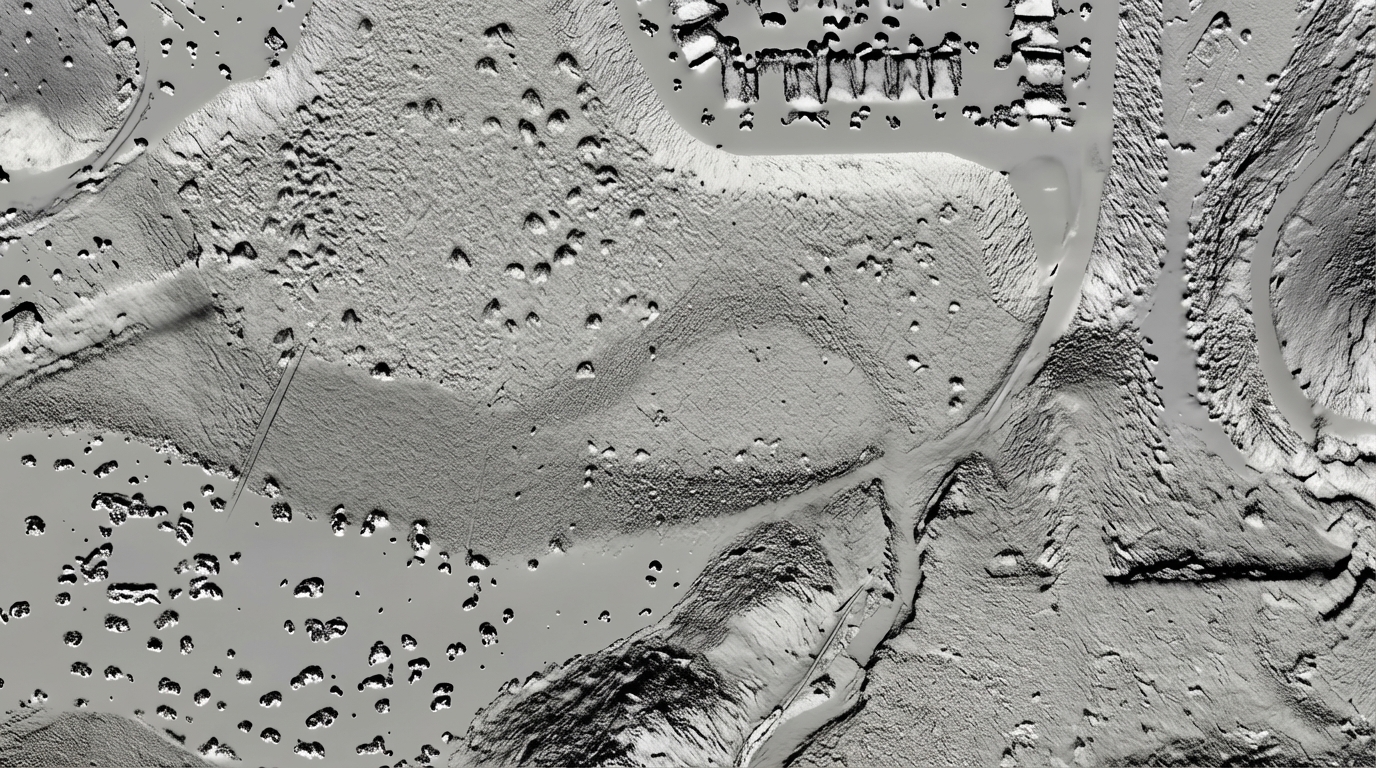
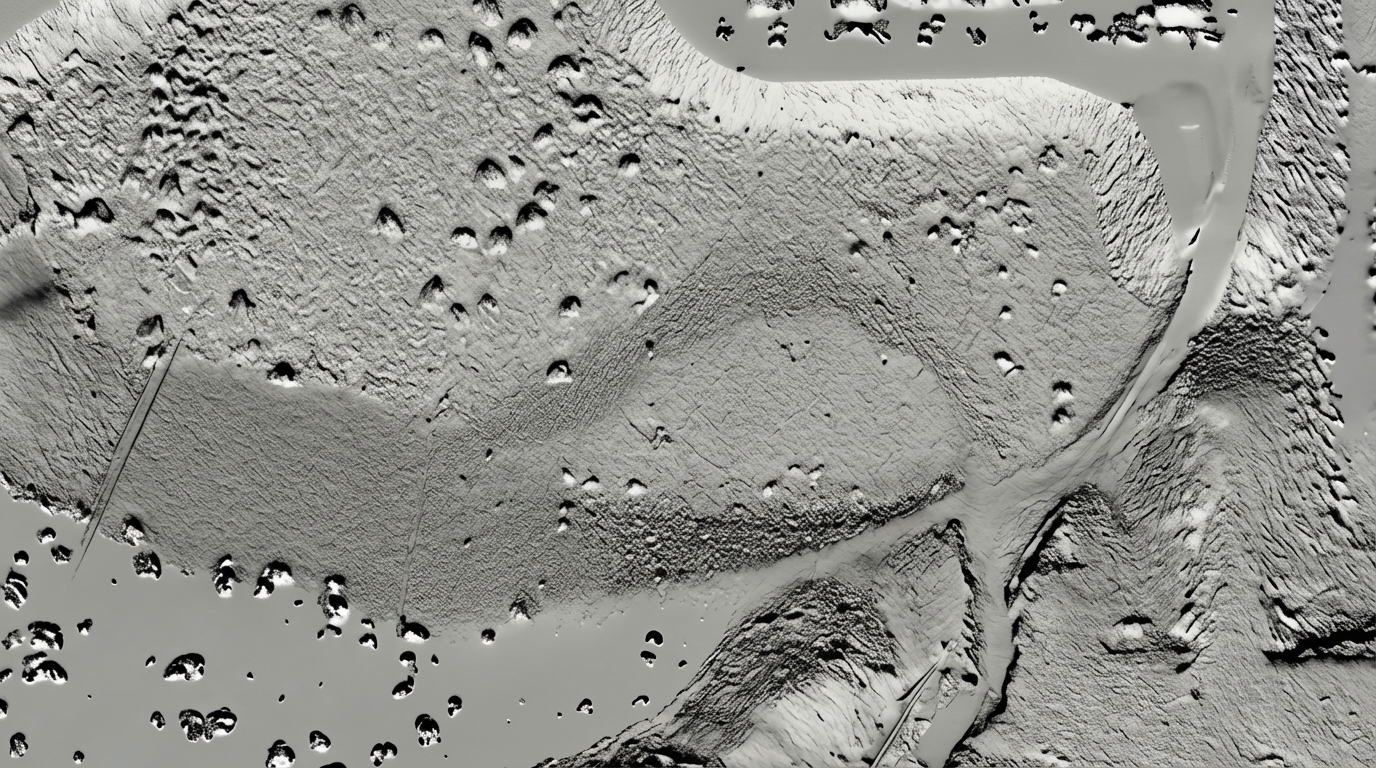
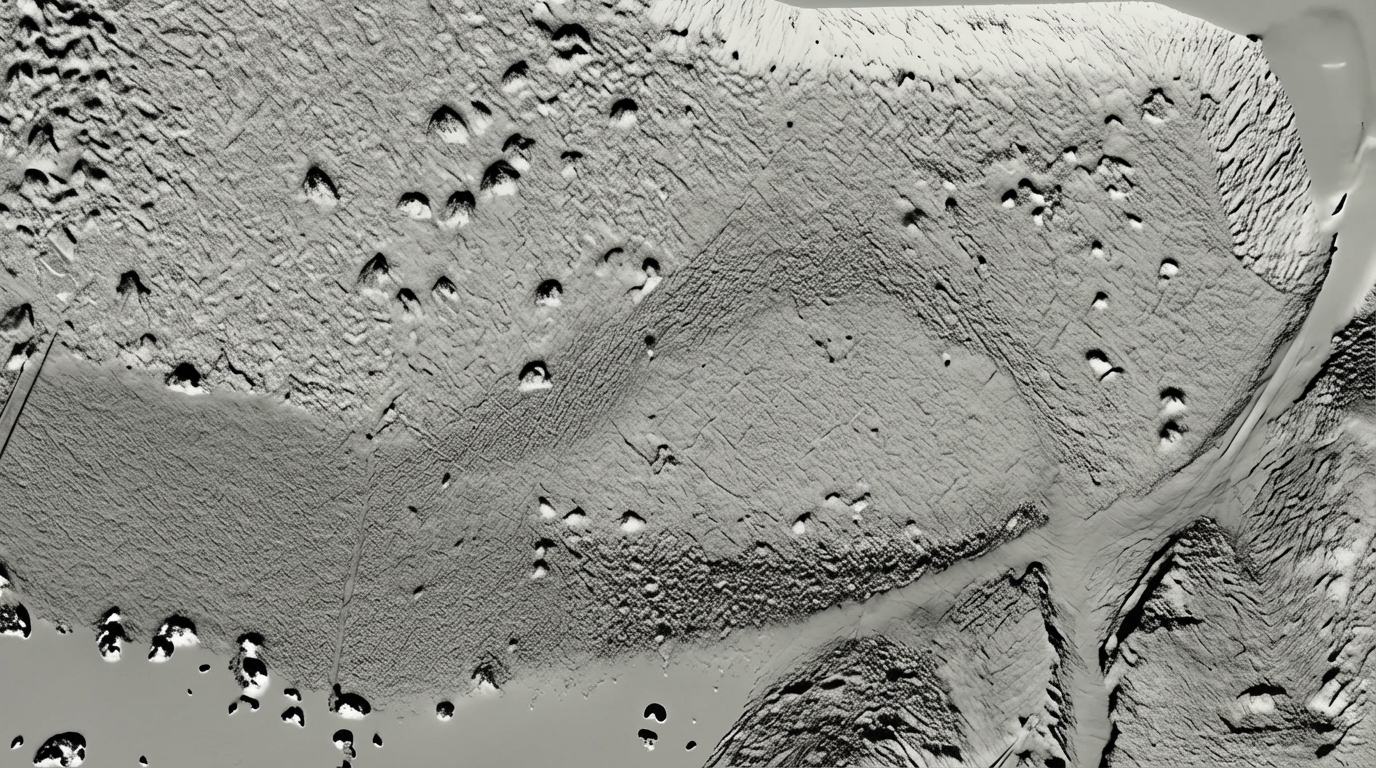
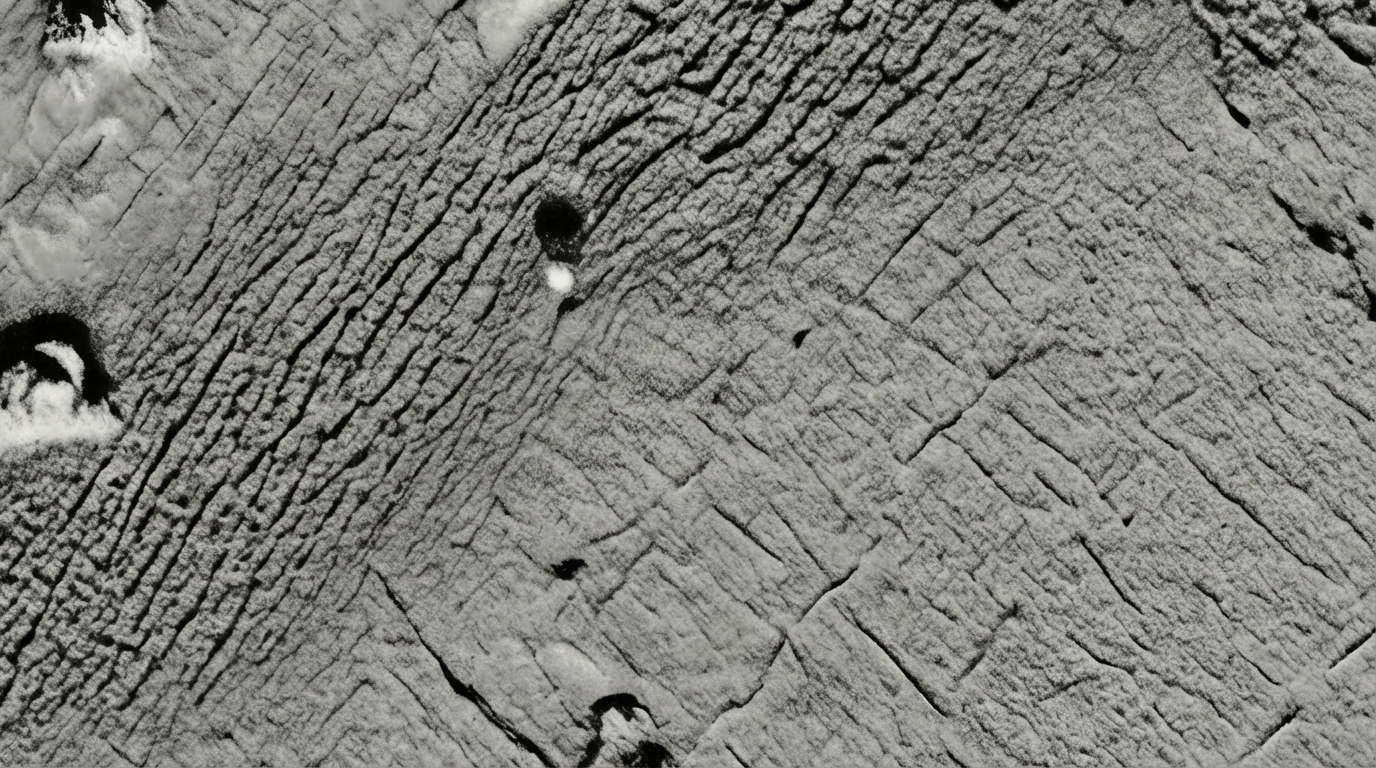
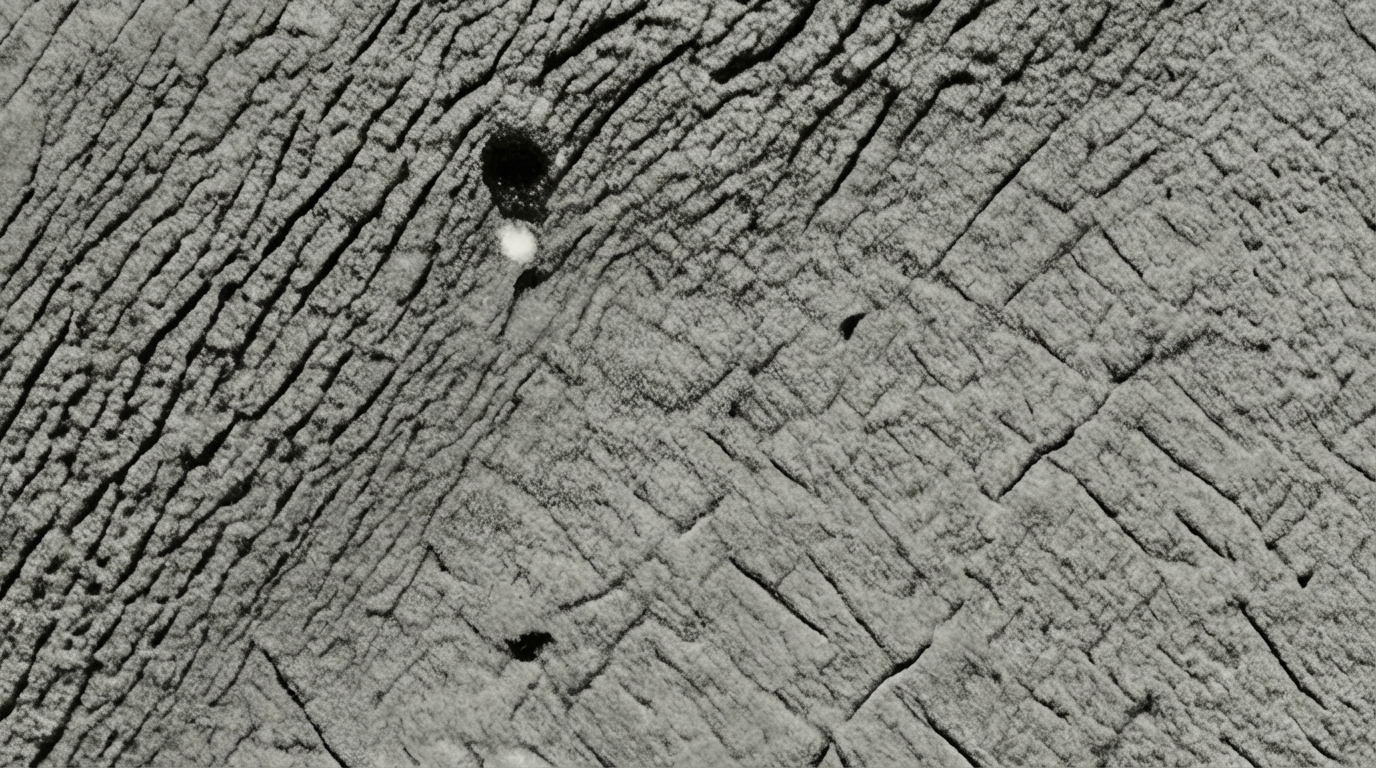
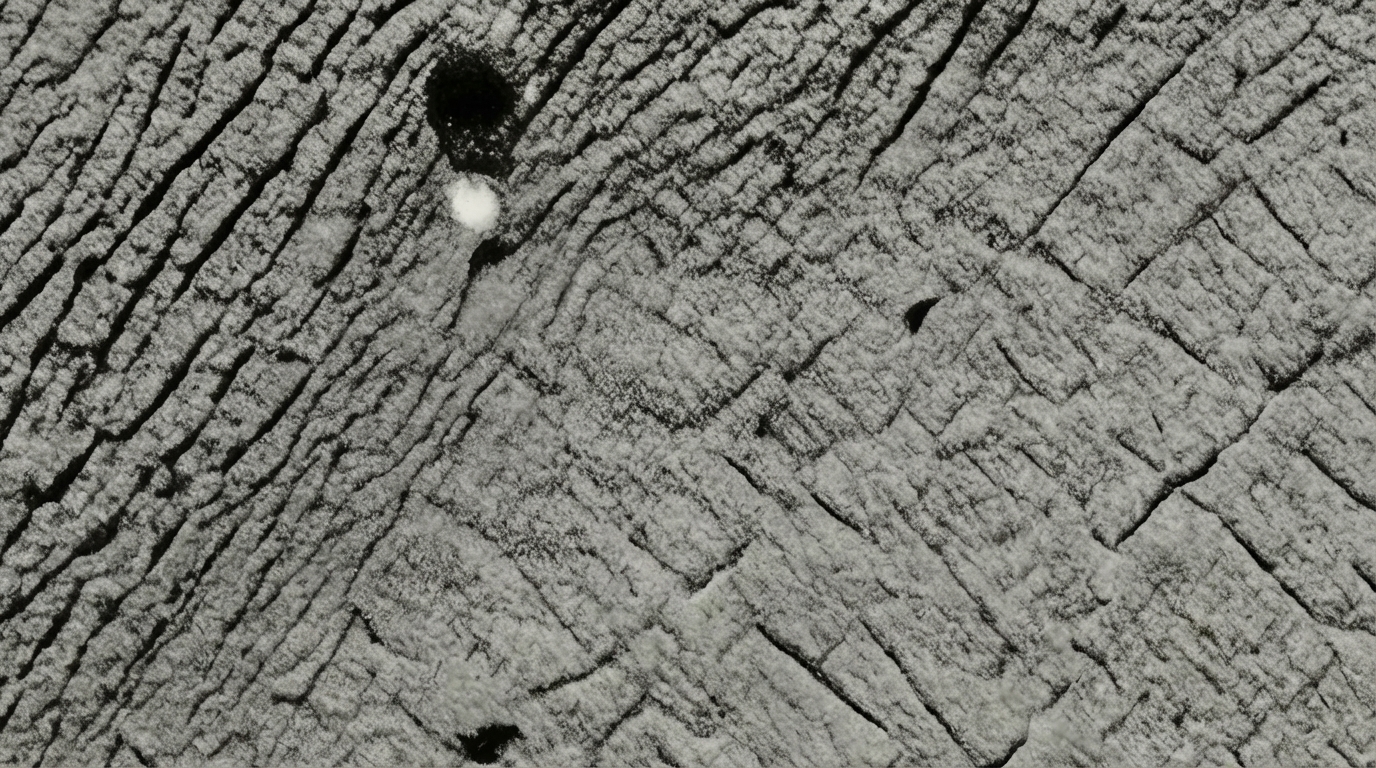
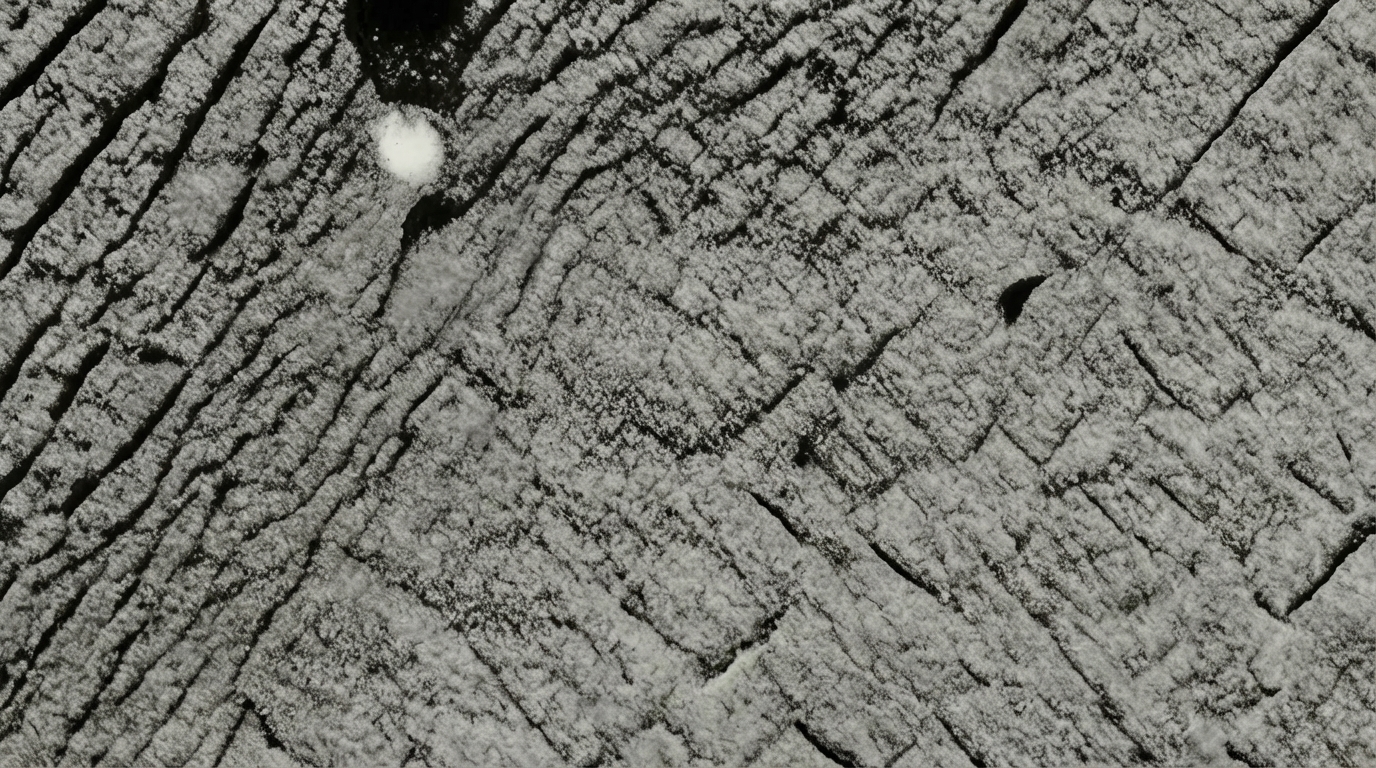
These images were generated using a procedural prompt system I built to systematize computational failure modes: buffer overflows, lossy compression, bit-rot, semantic drift. The prompt engine below lets you configure subject, error type, data density, and iteration logic to generate prompts.
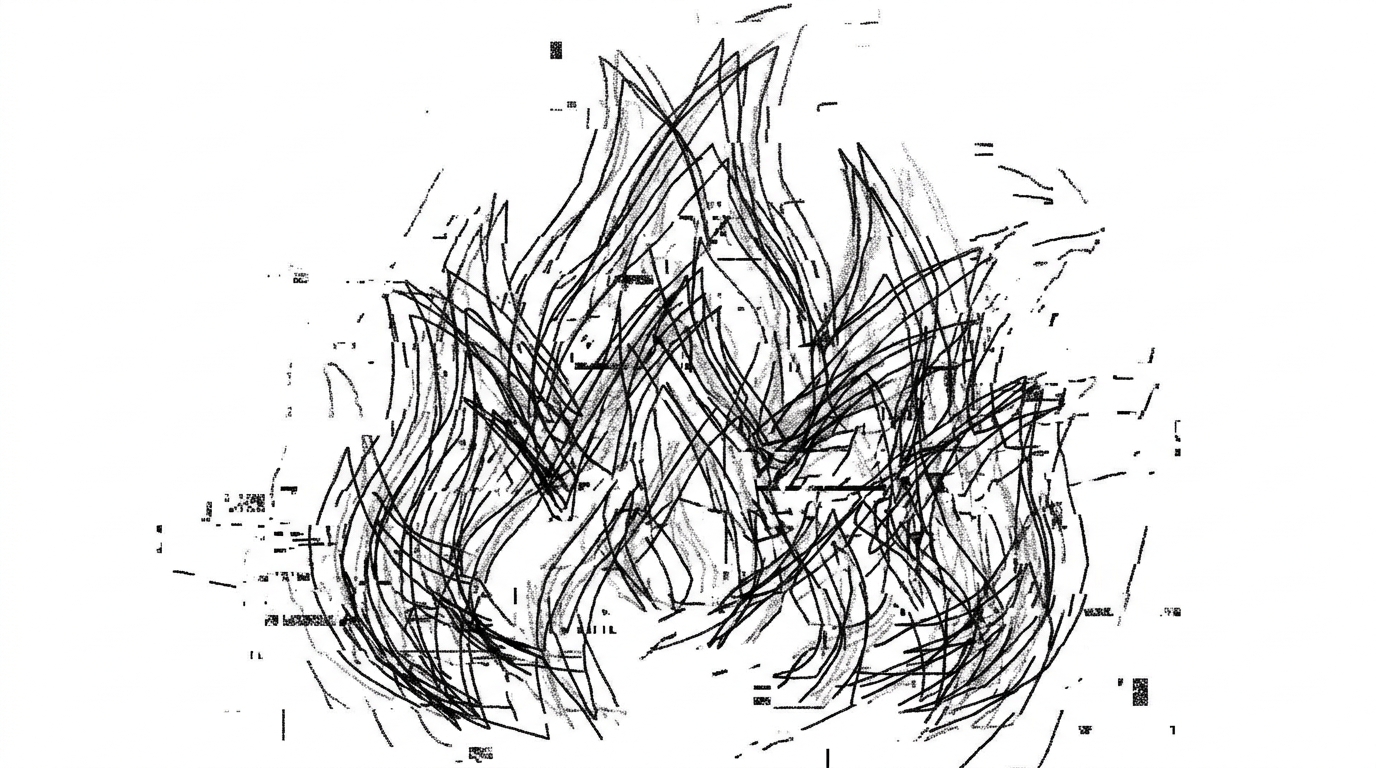
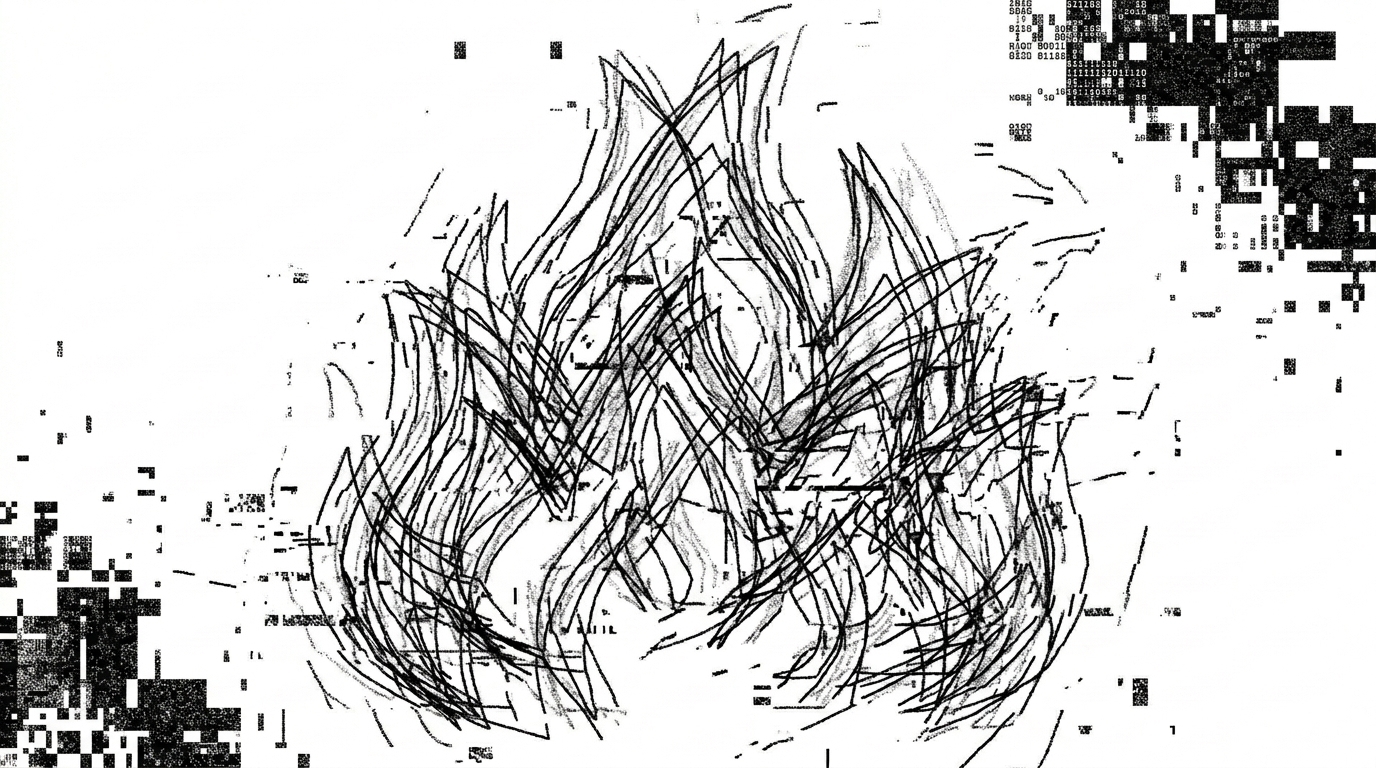
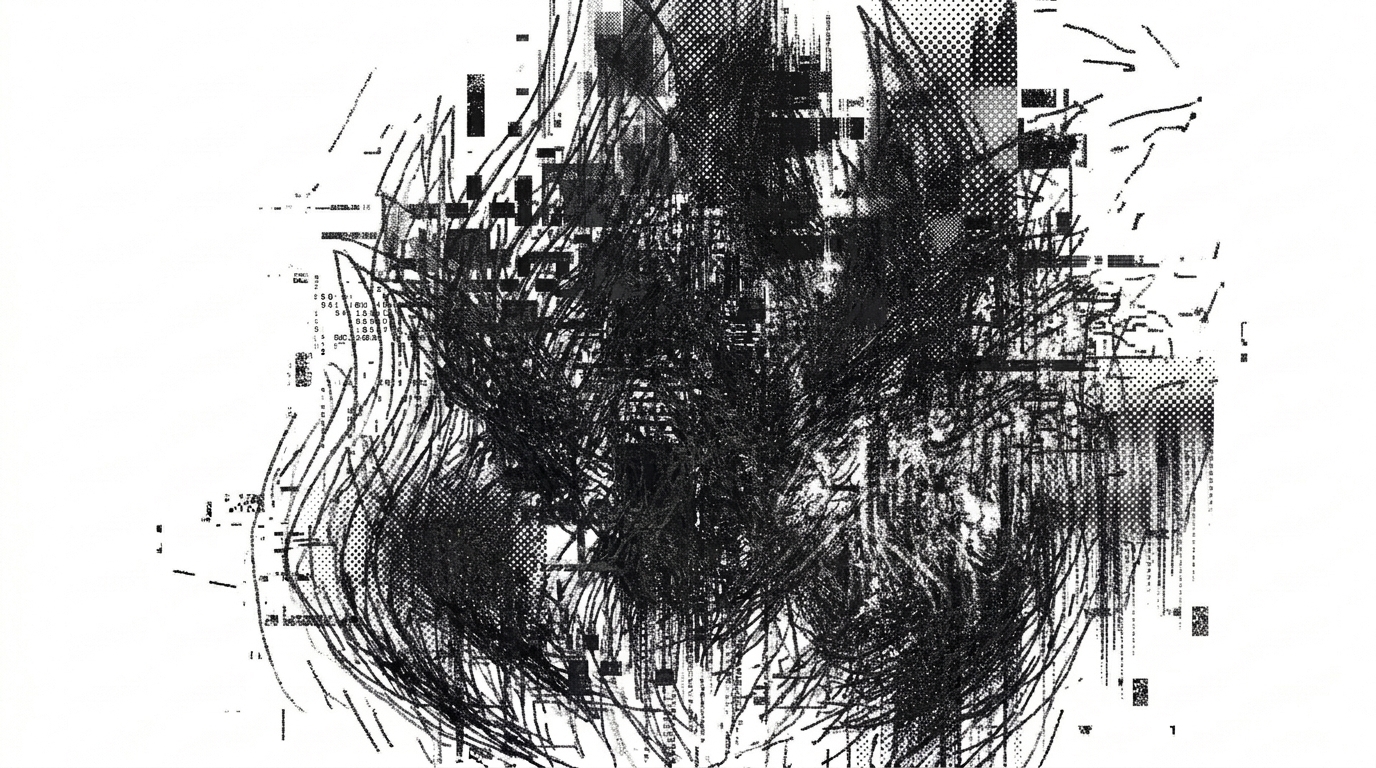
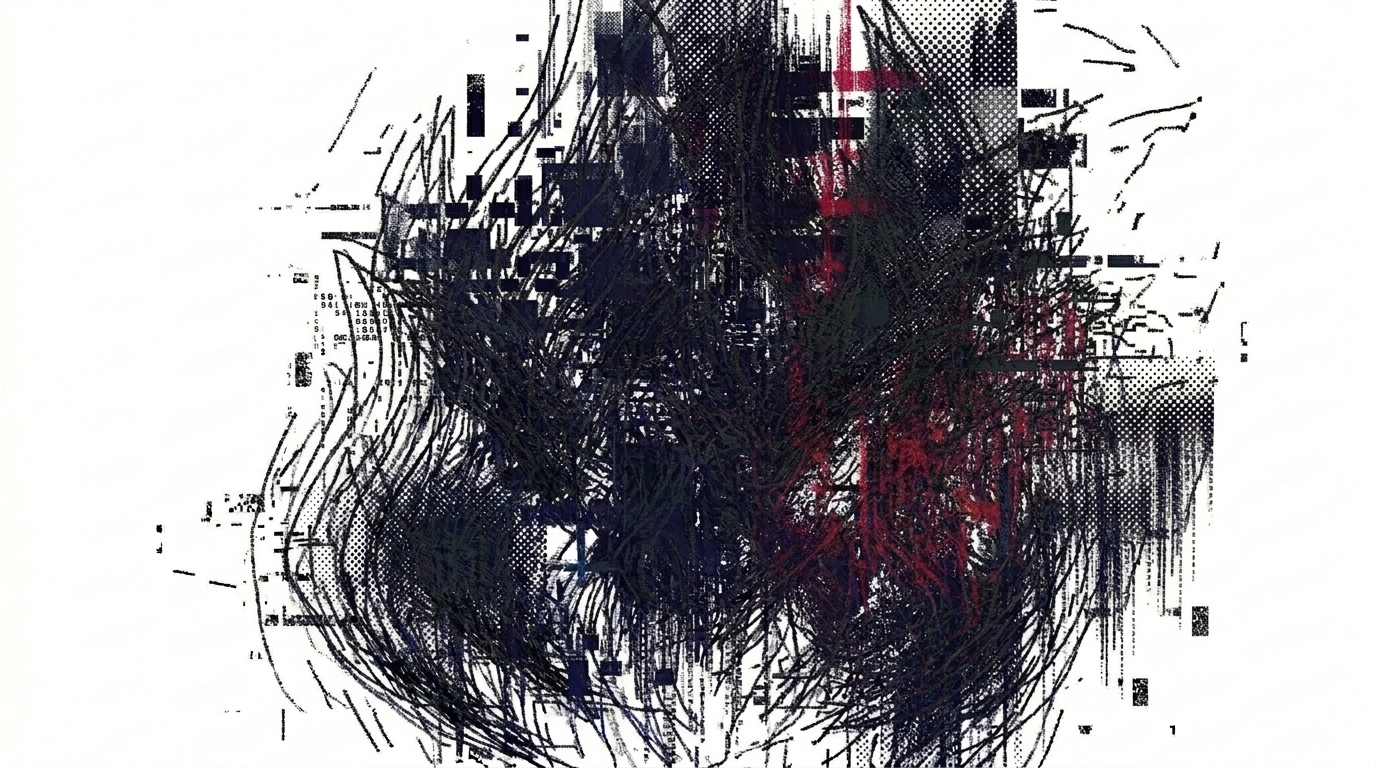
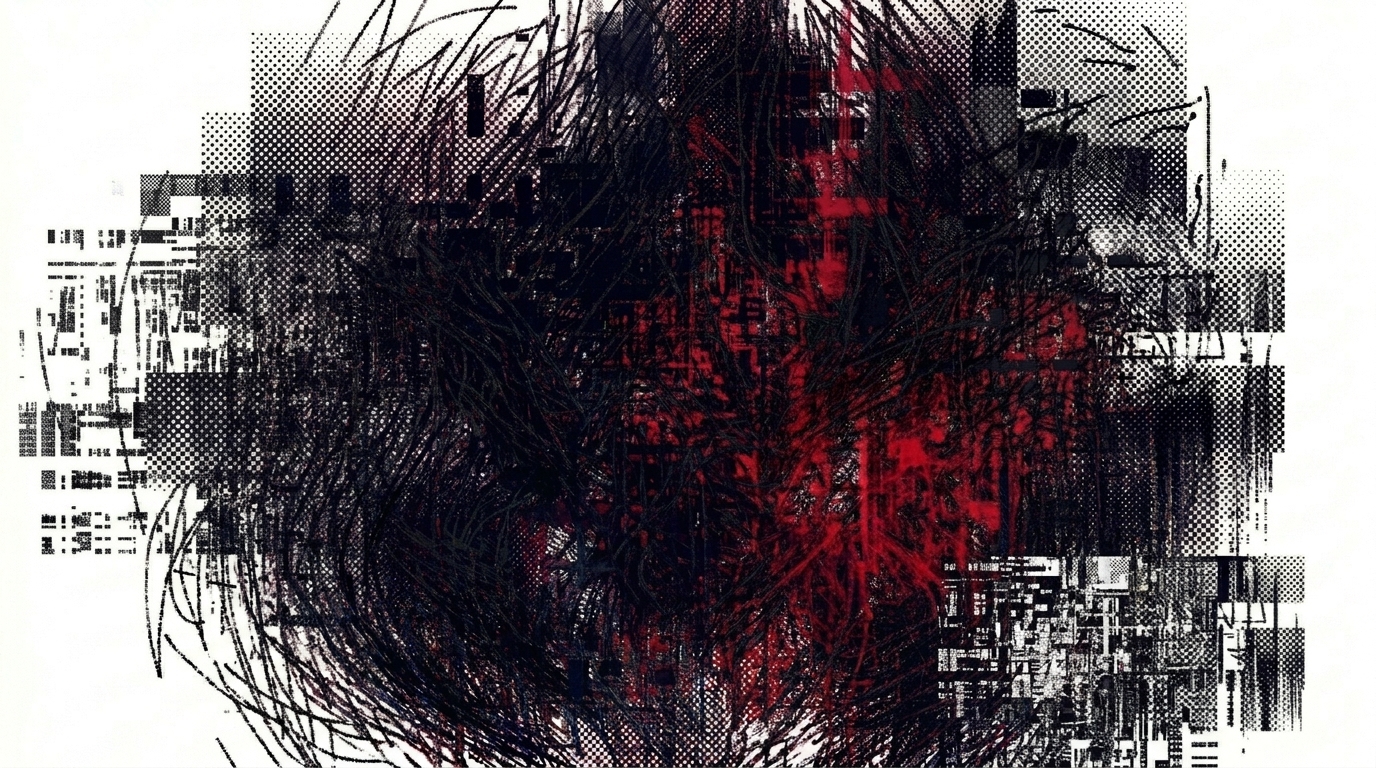
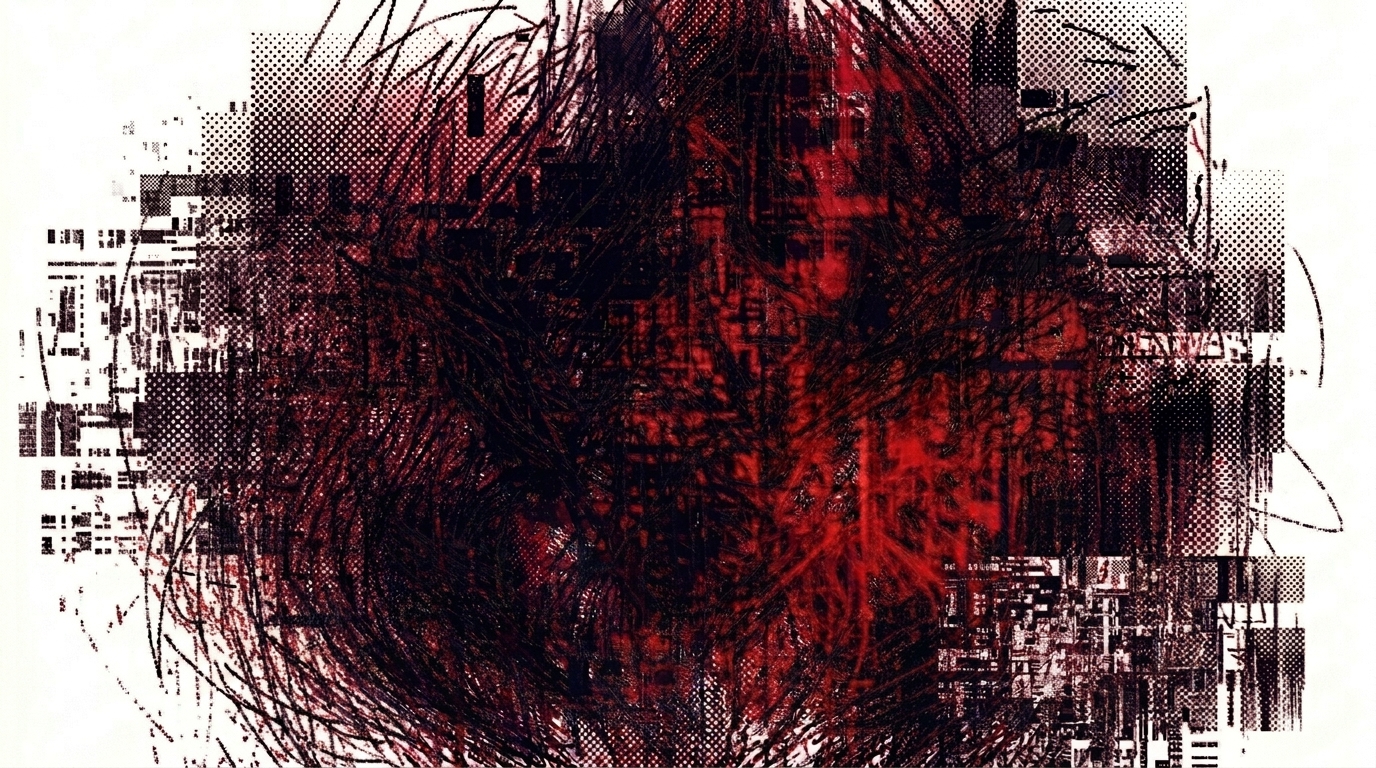
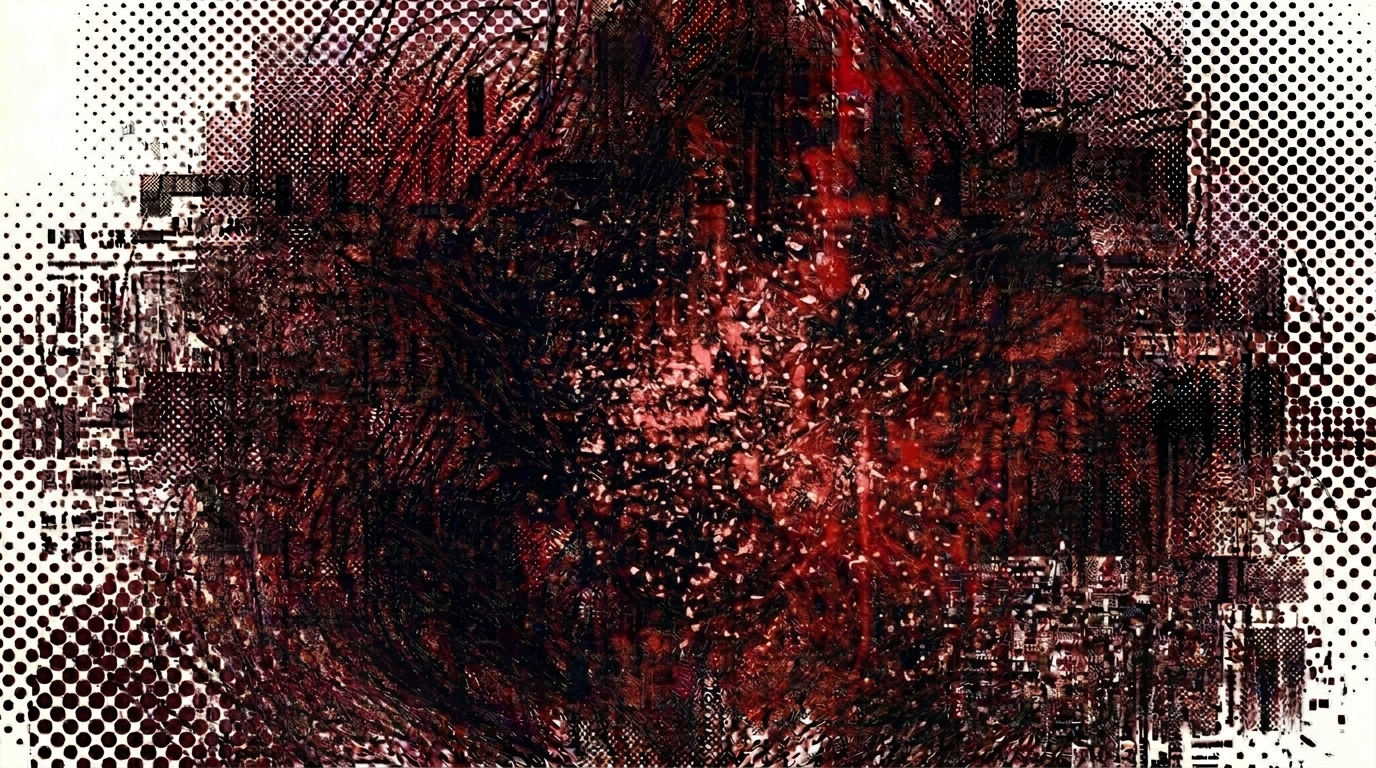
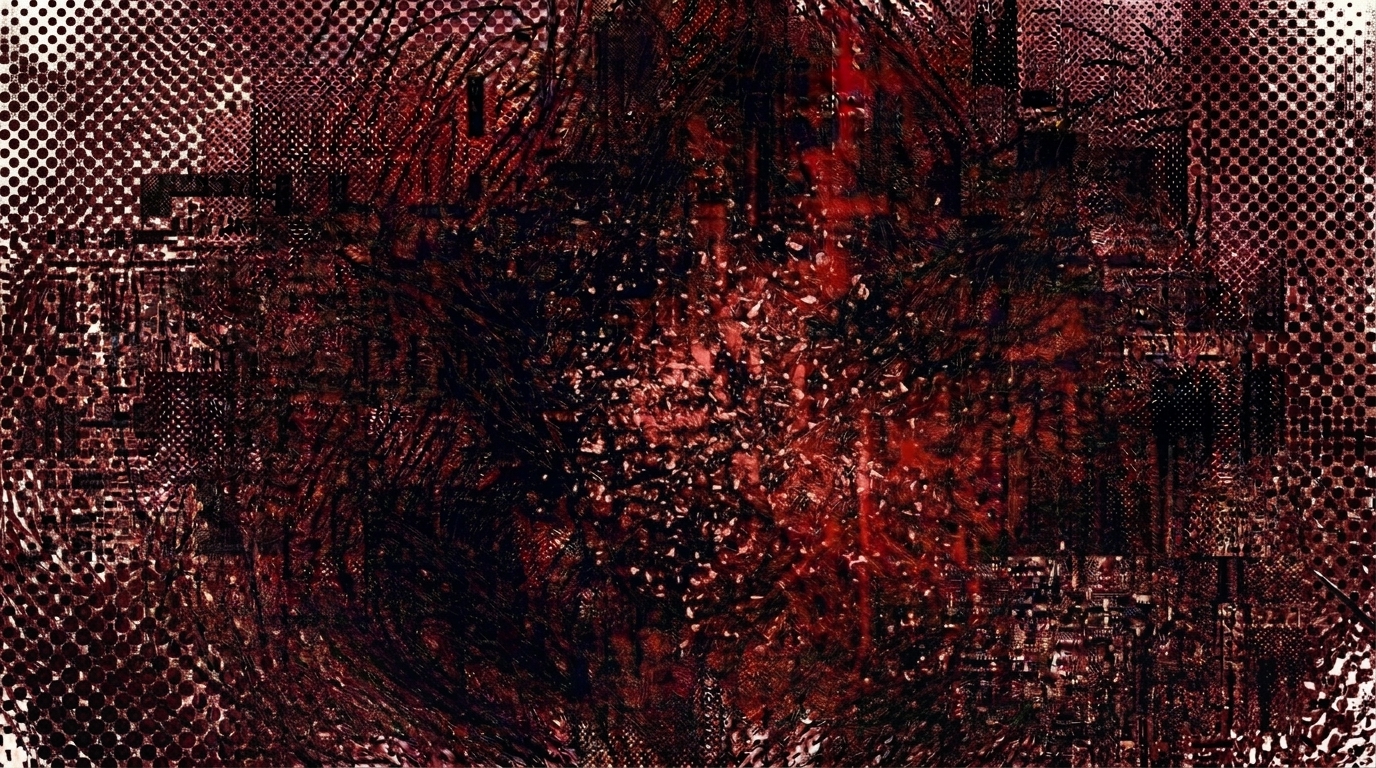
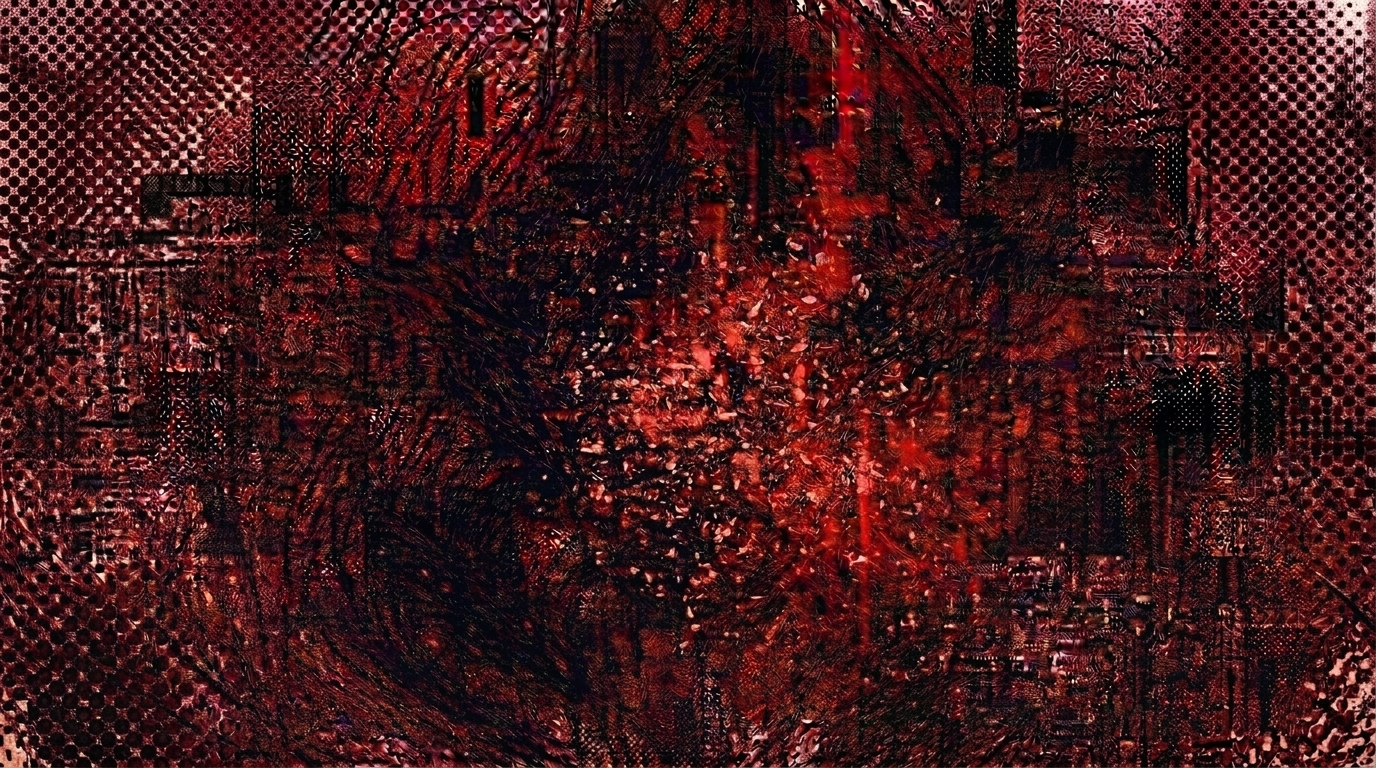
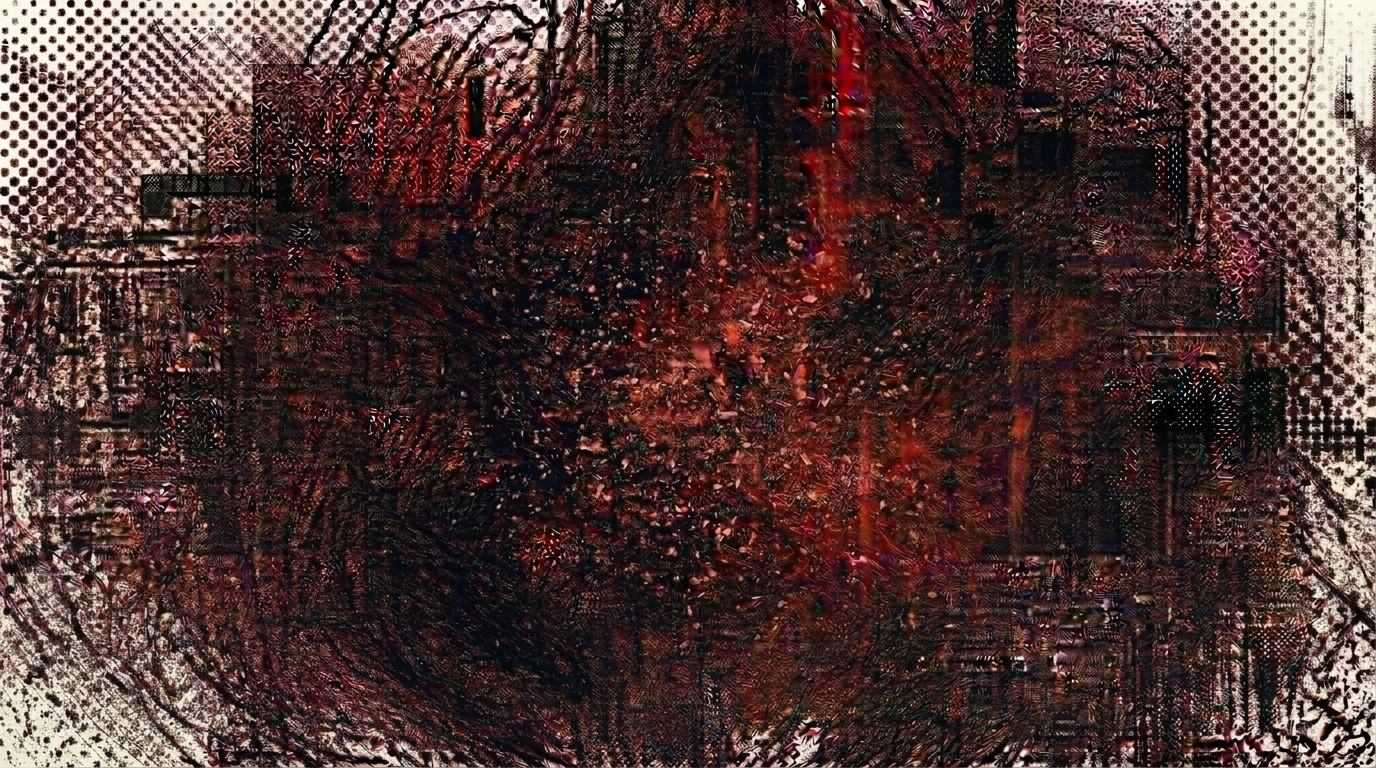
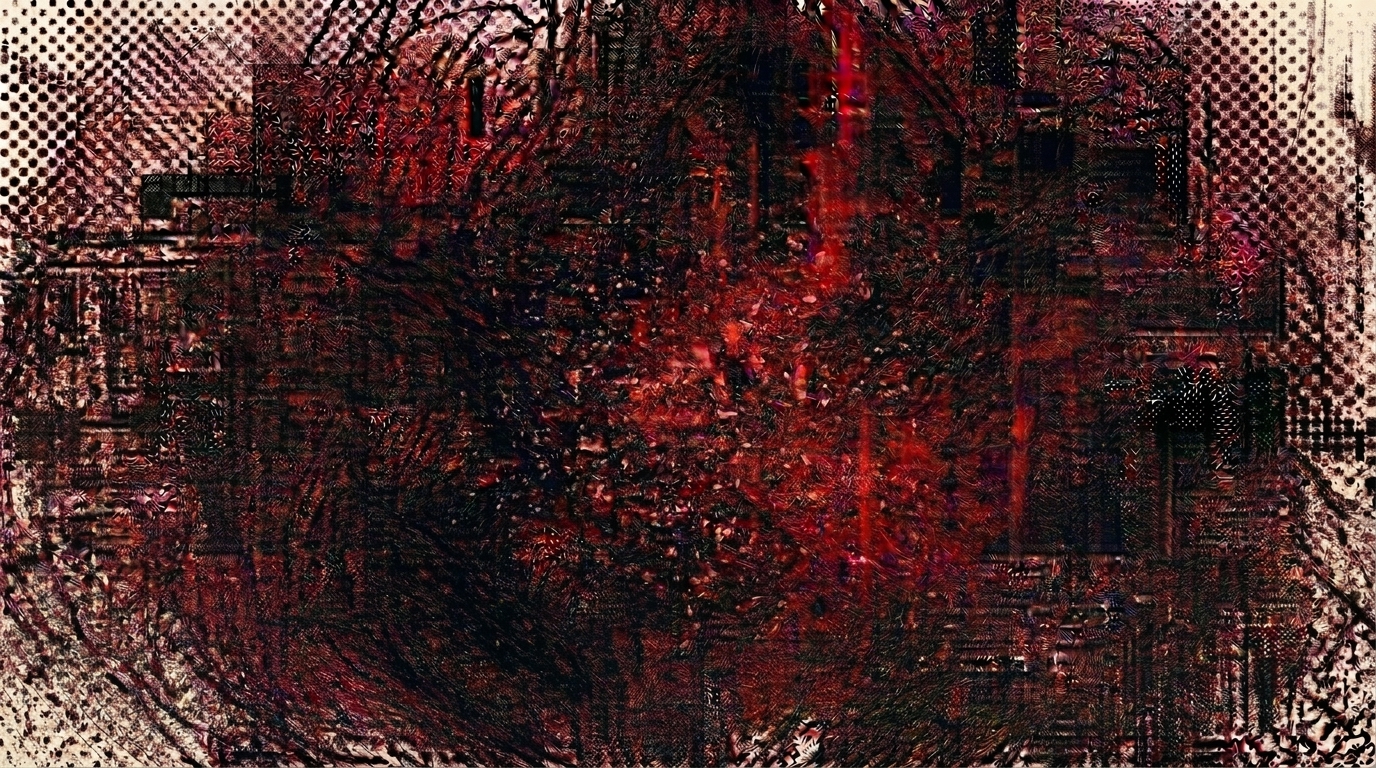
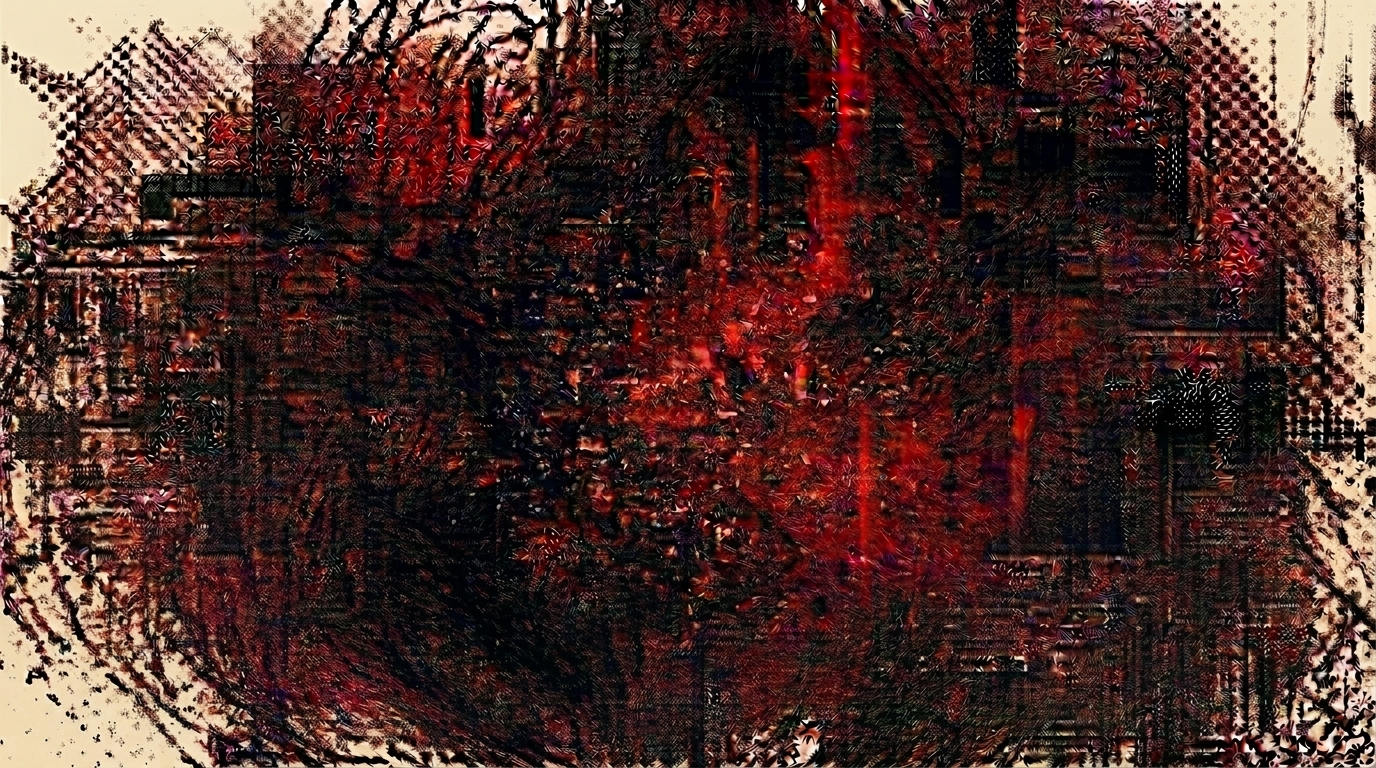
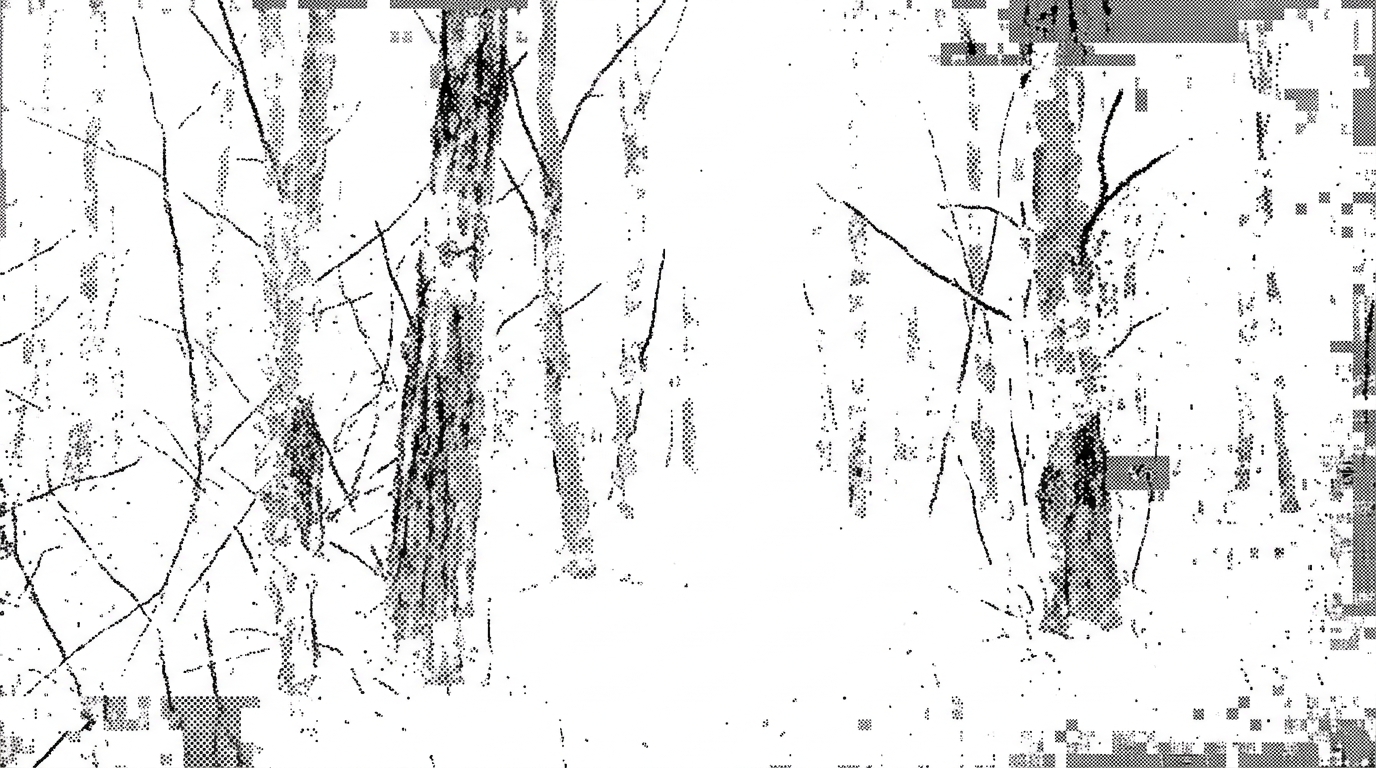
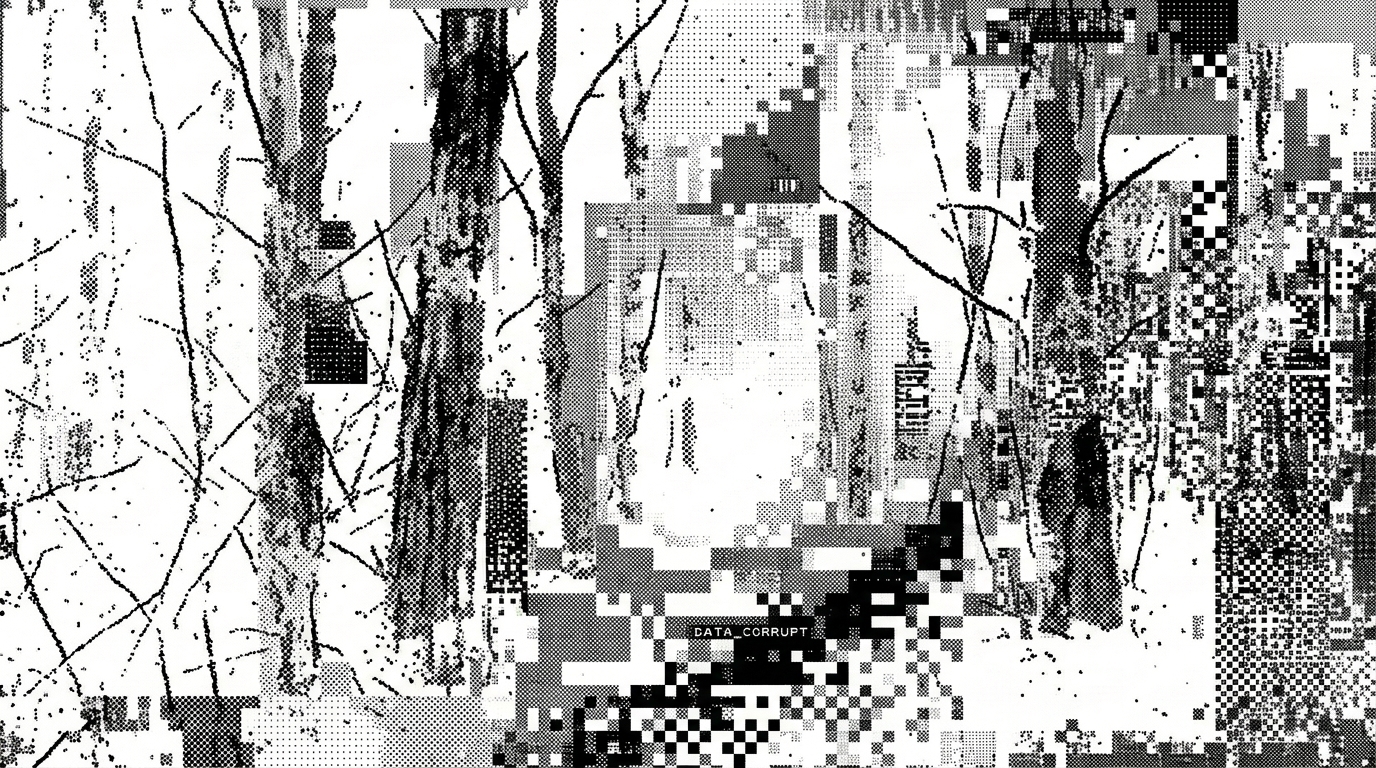
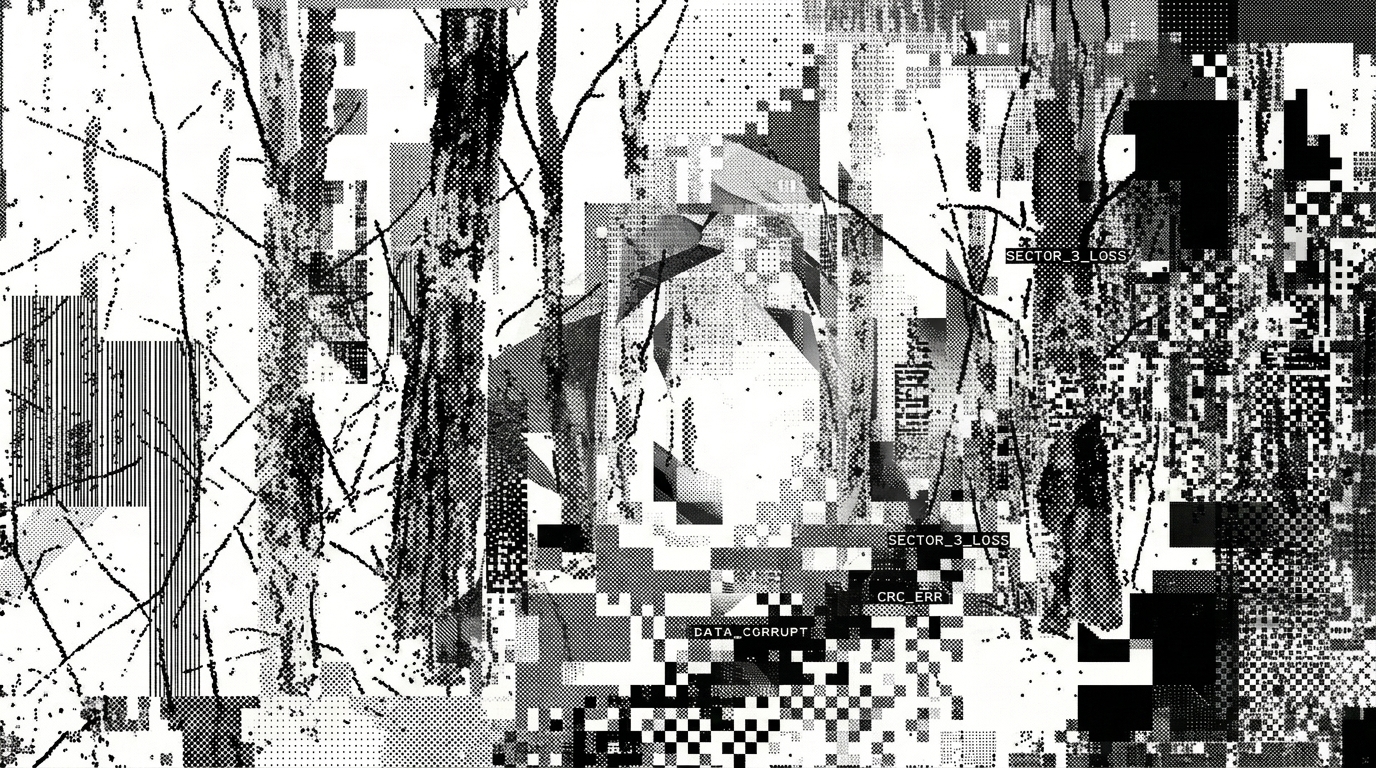
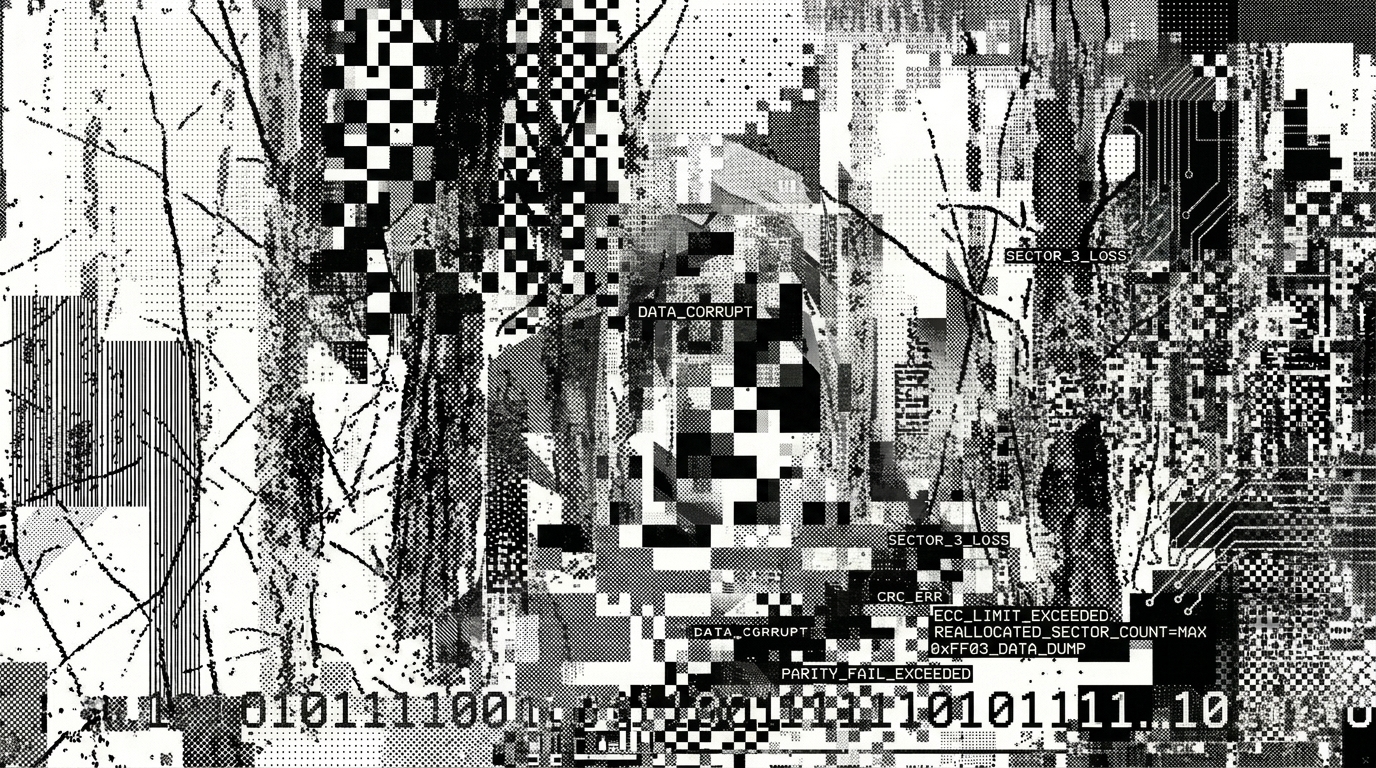
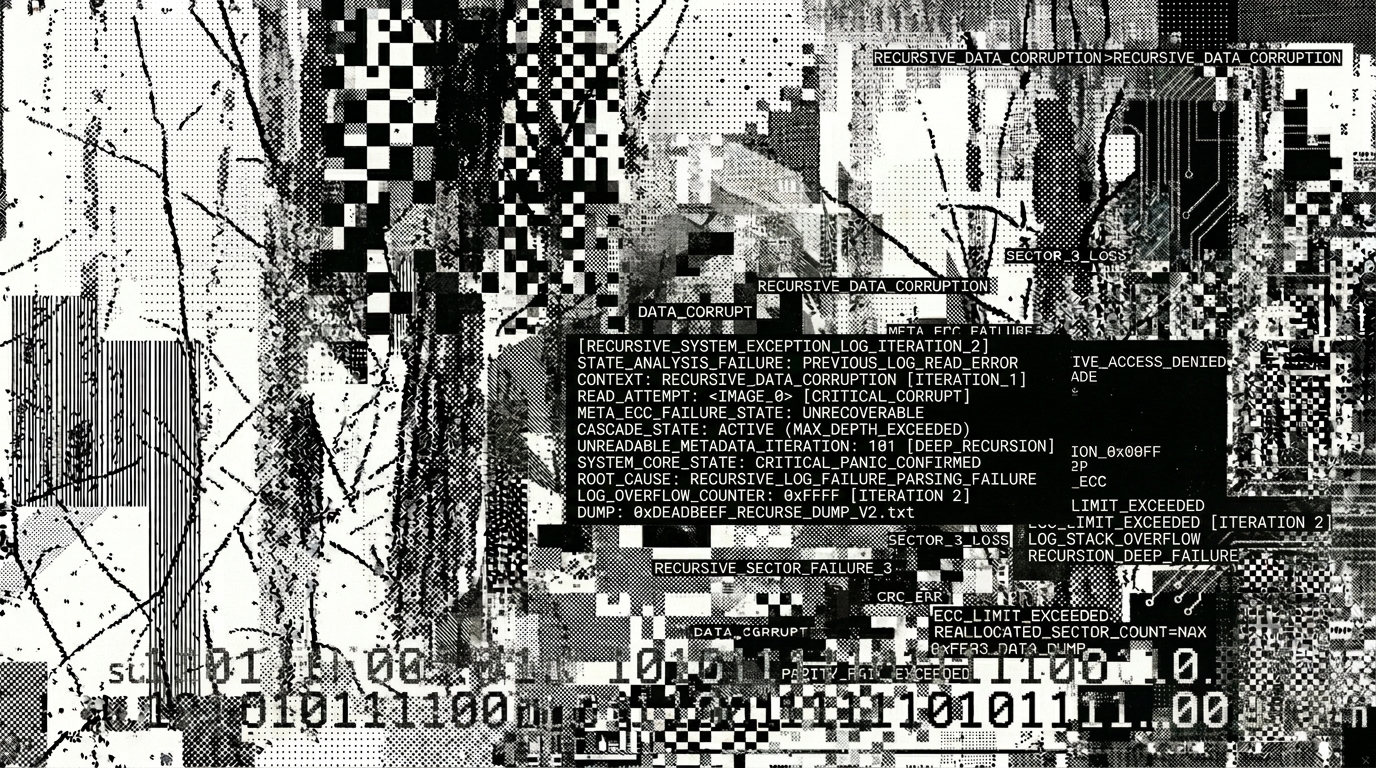
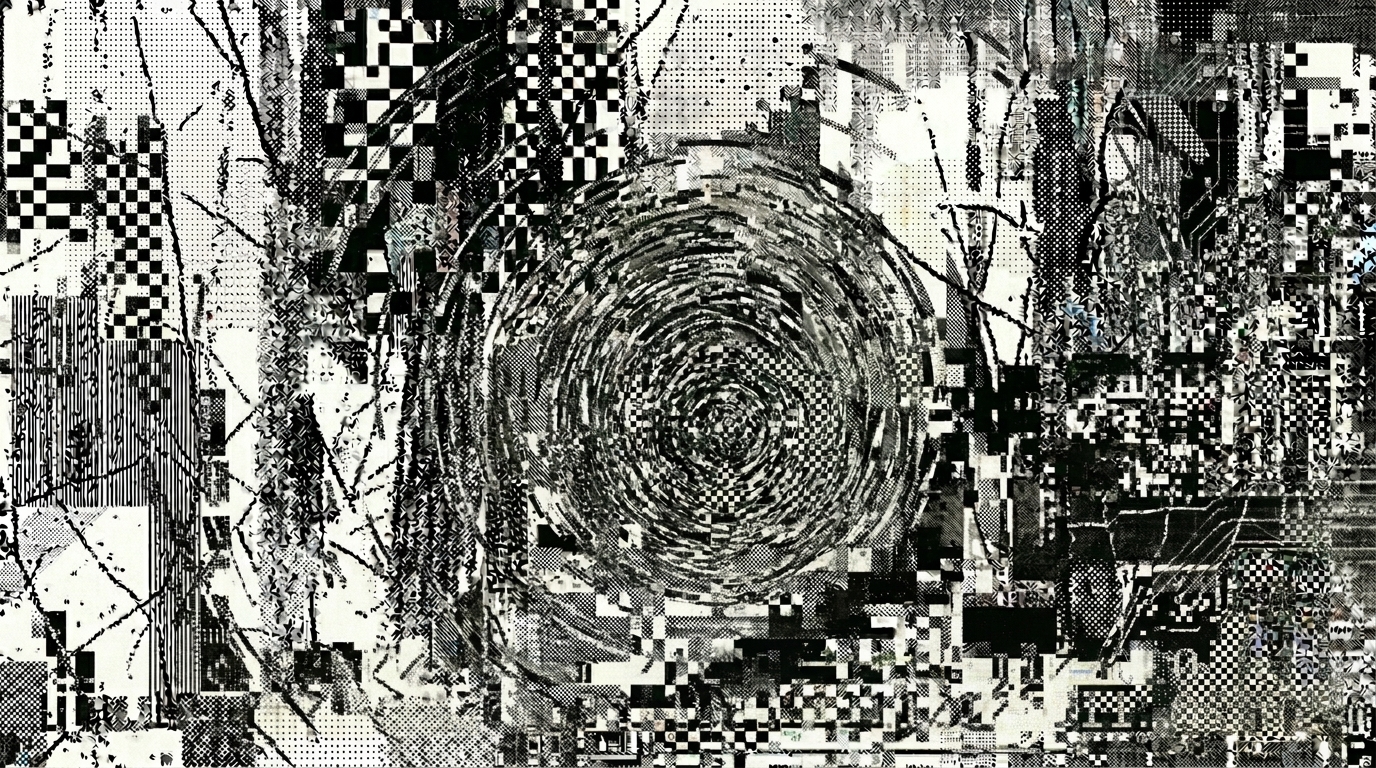
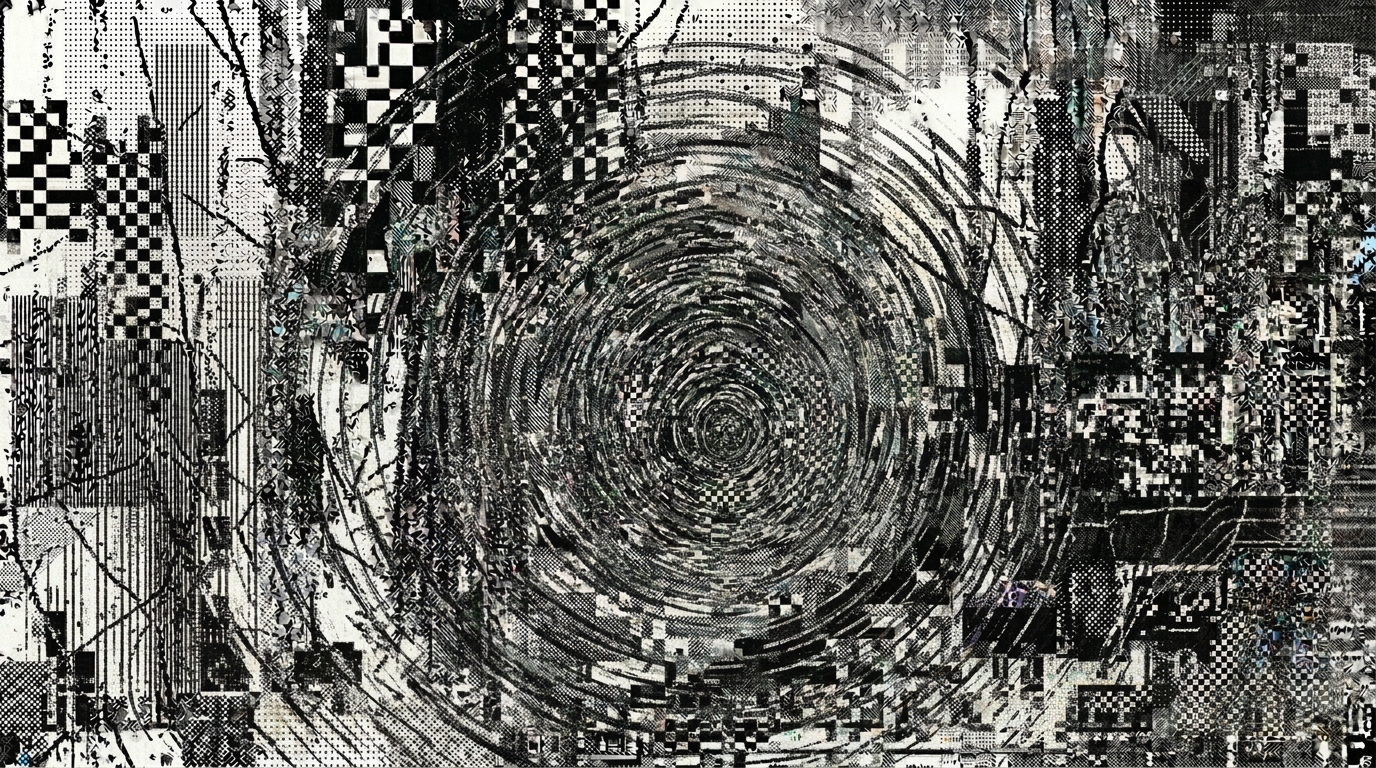
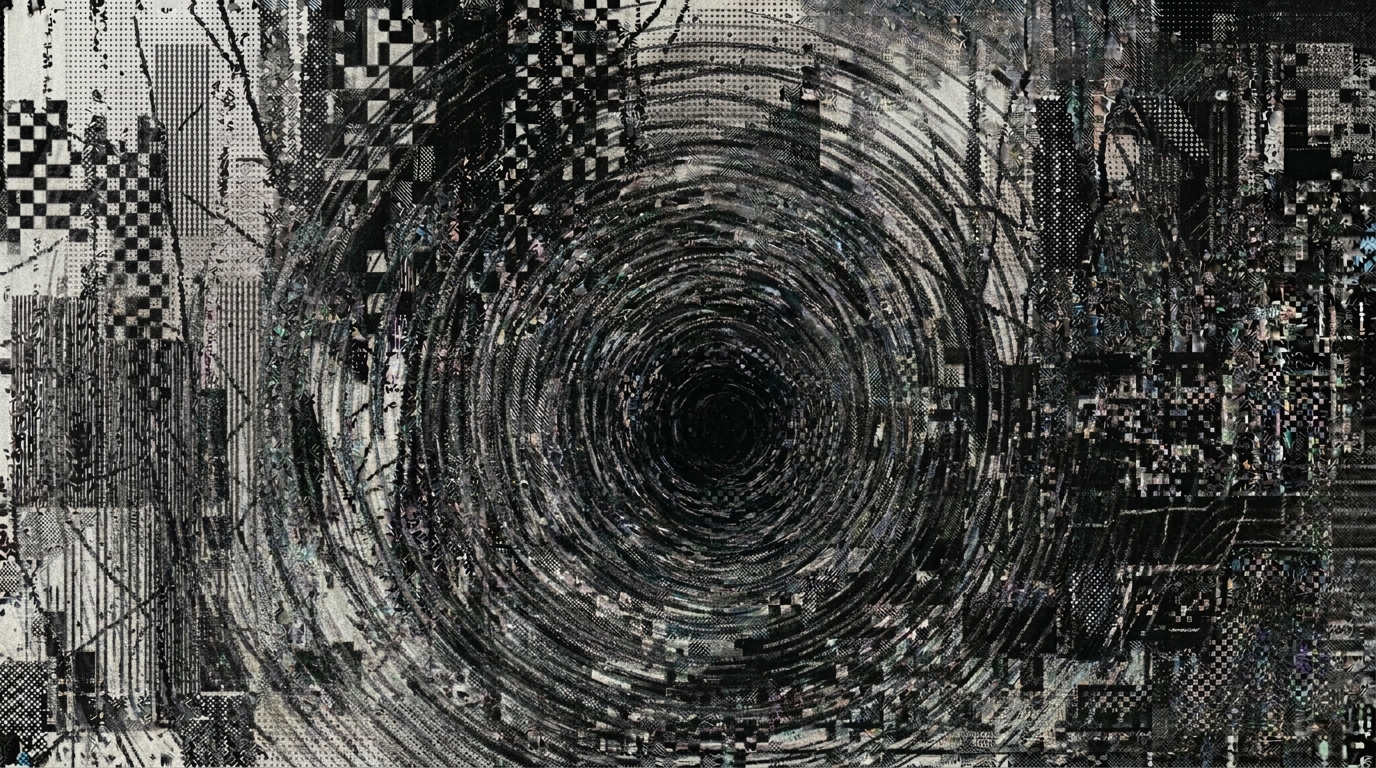
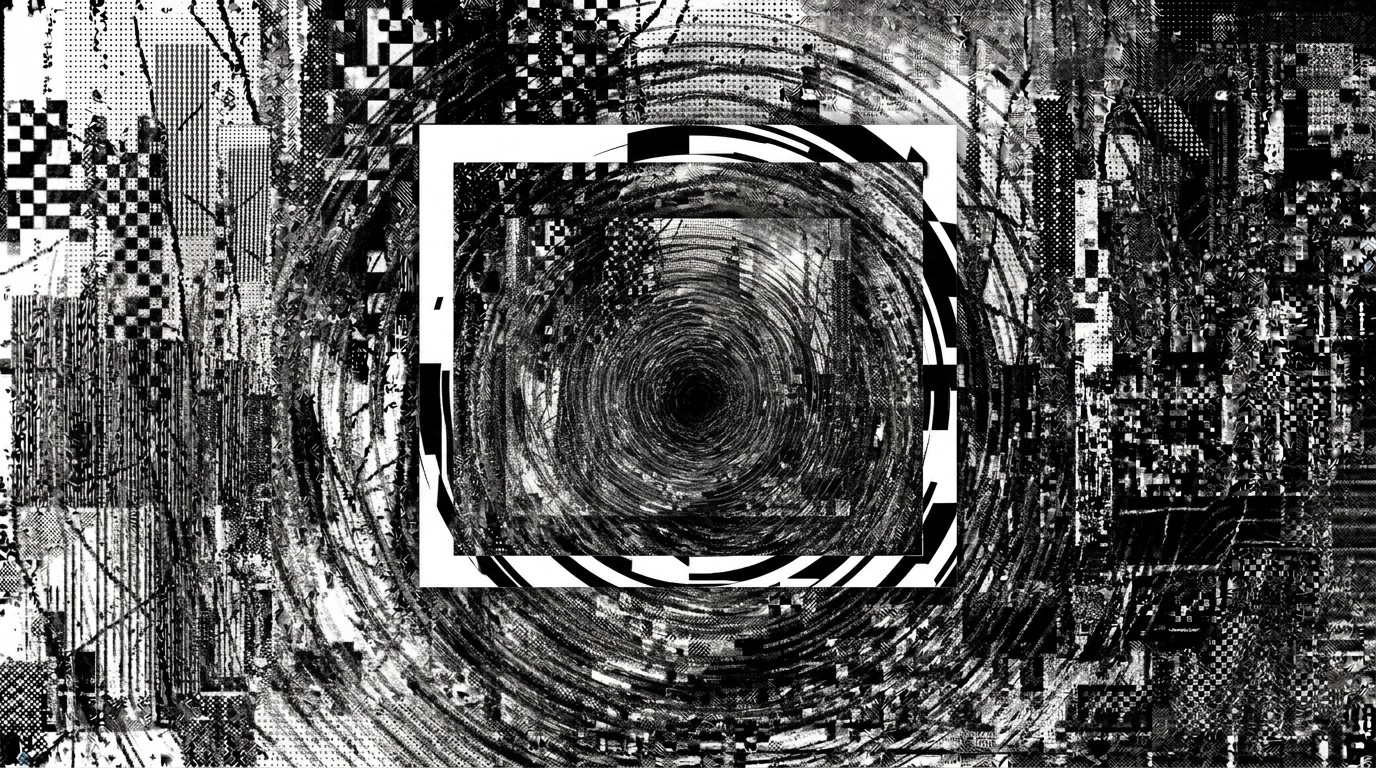
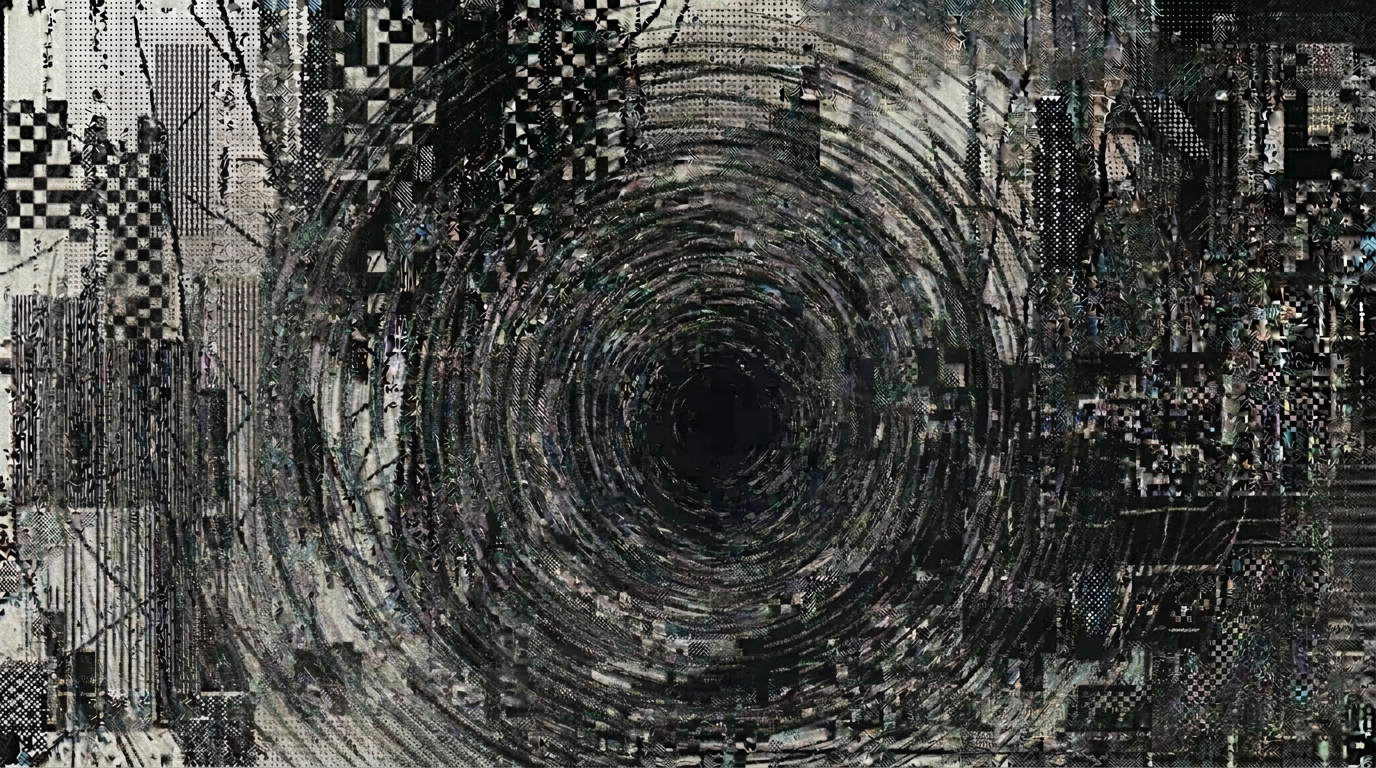
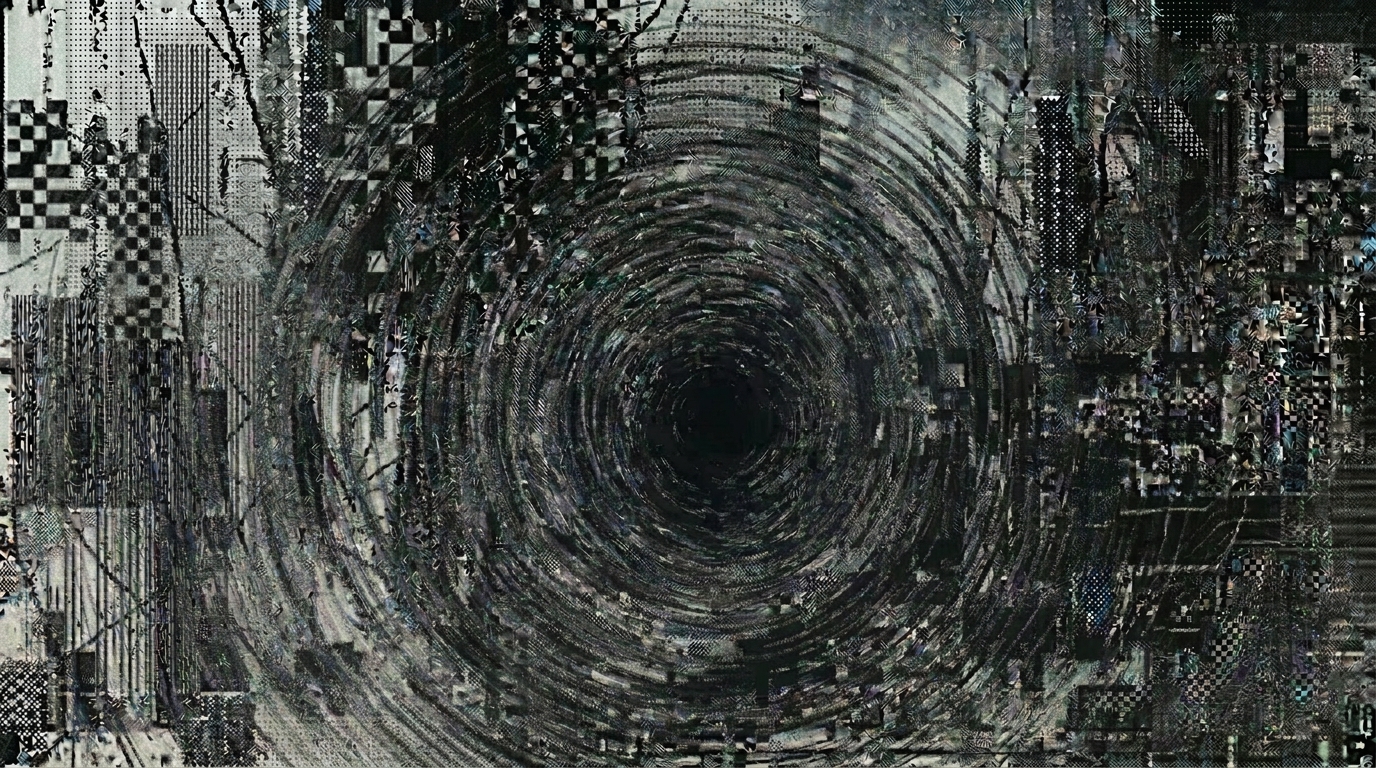
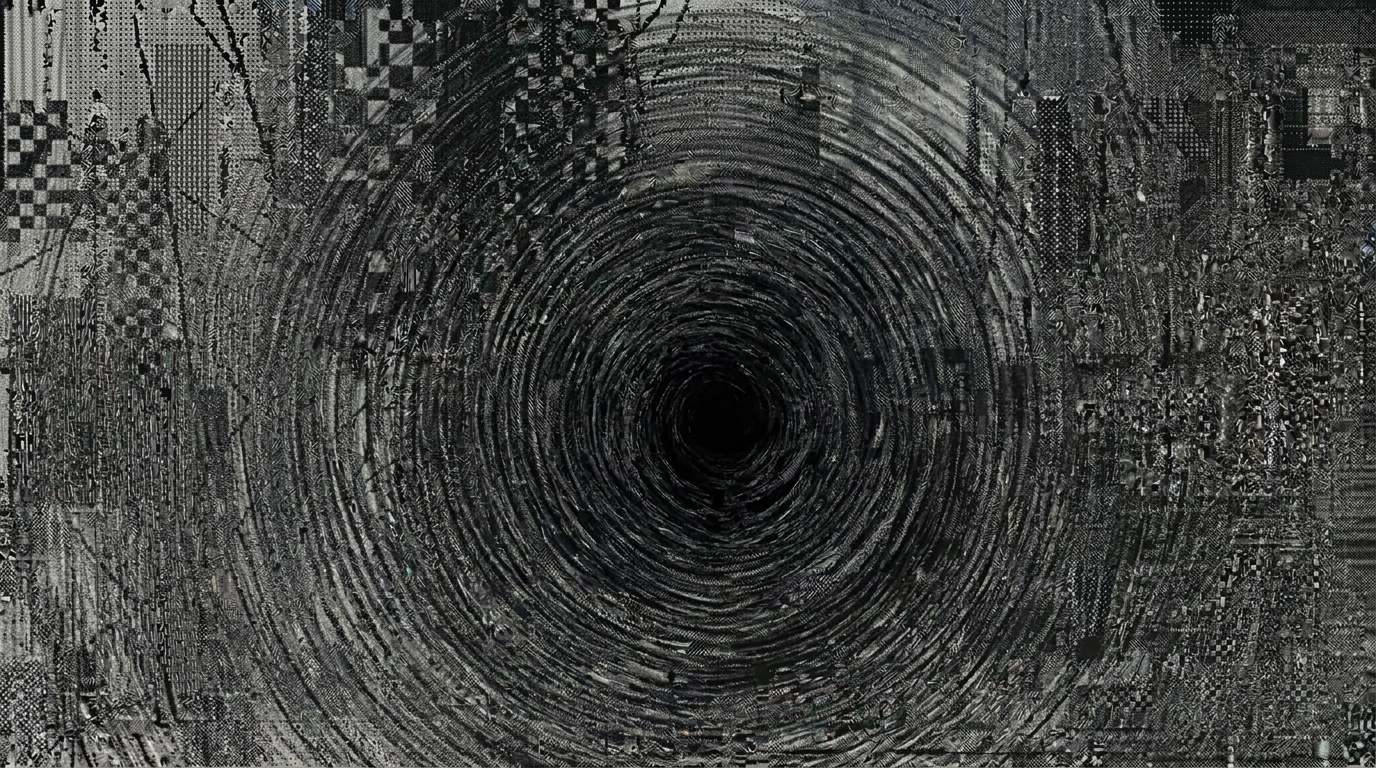
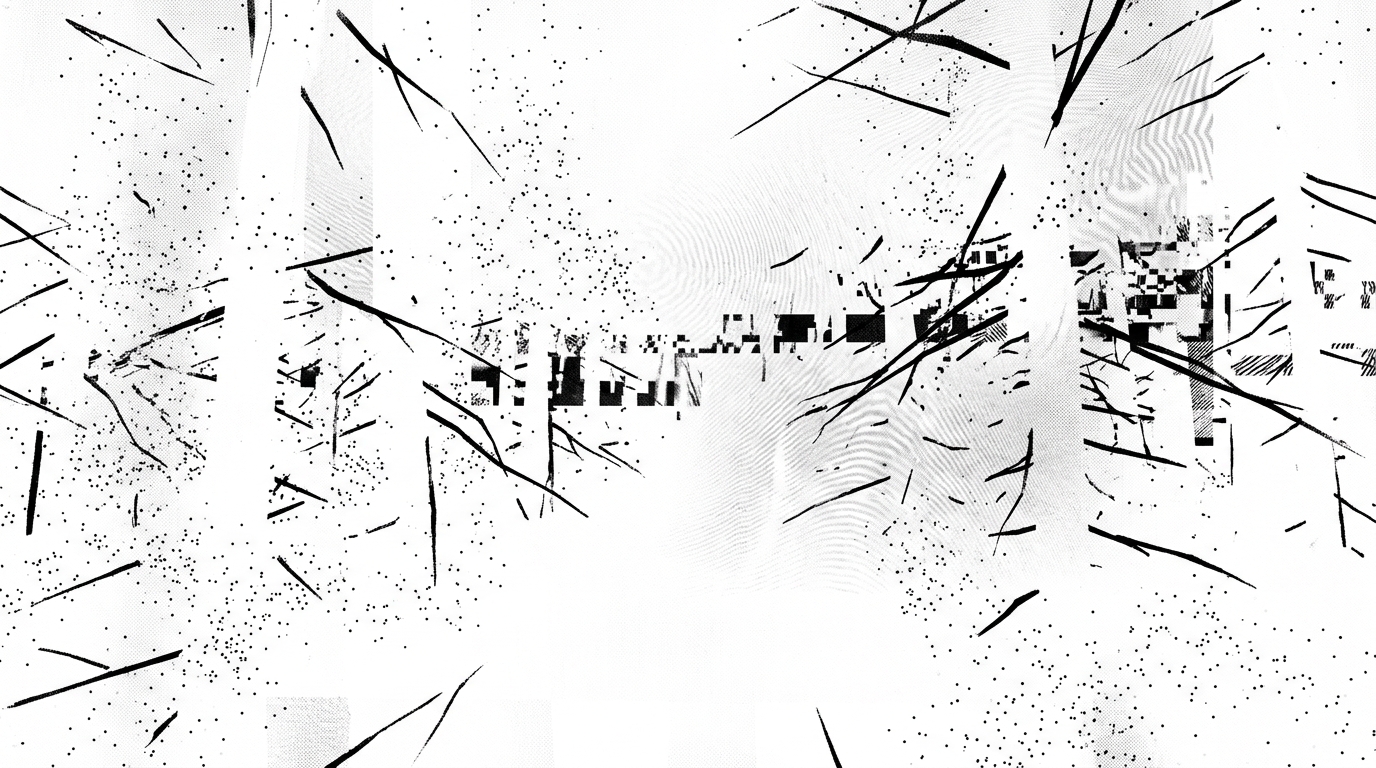
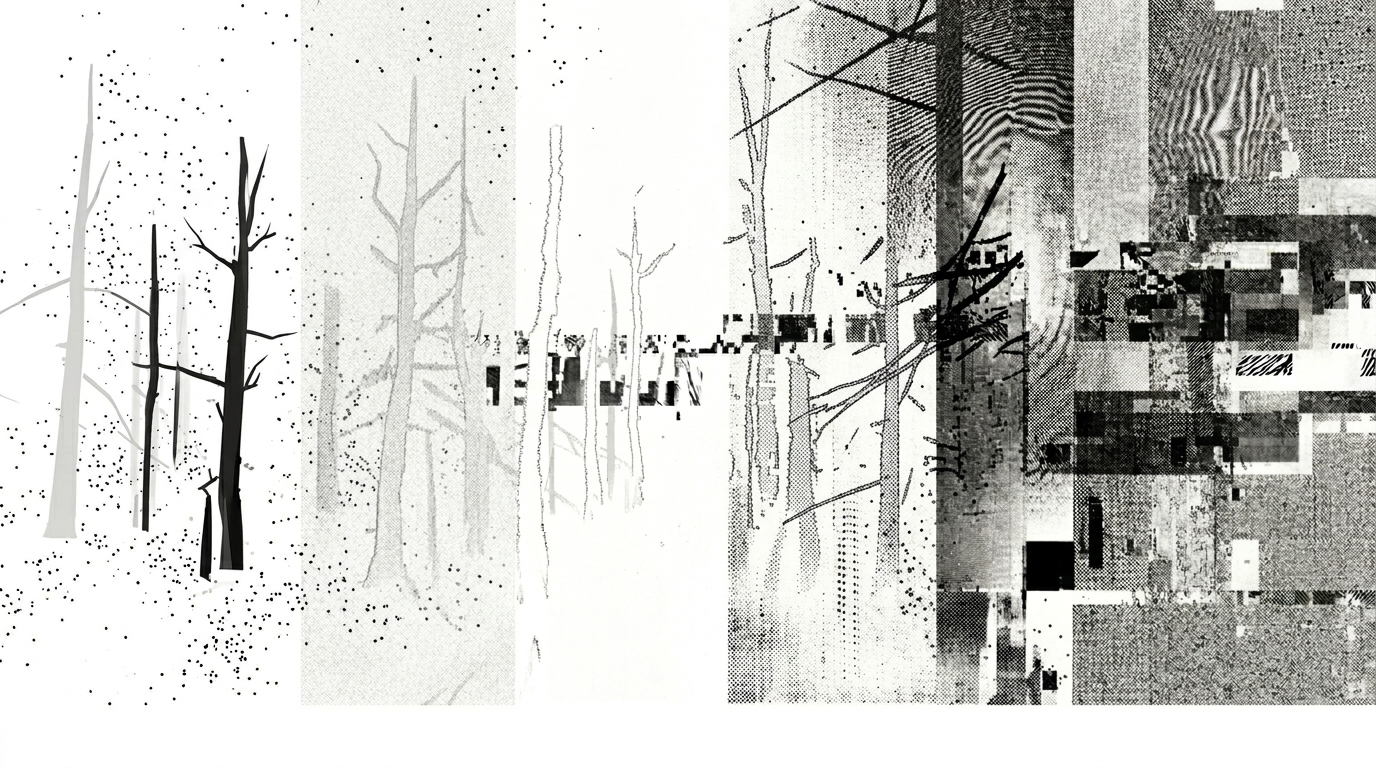
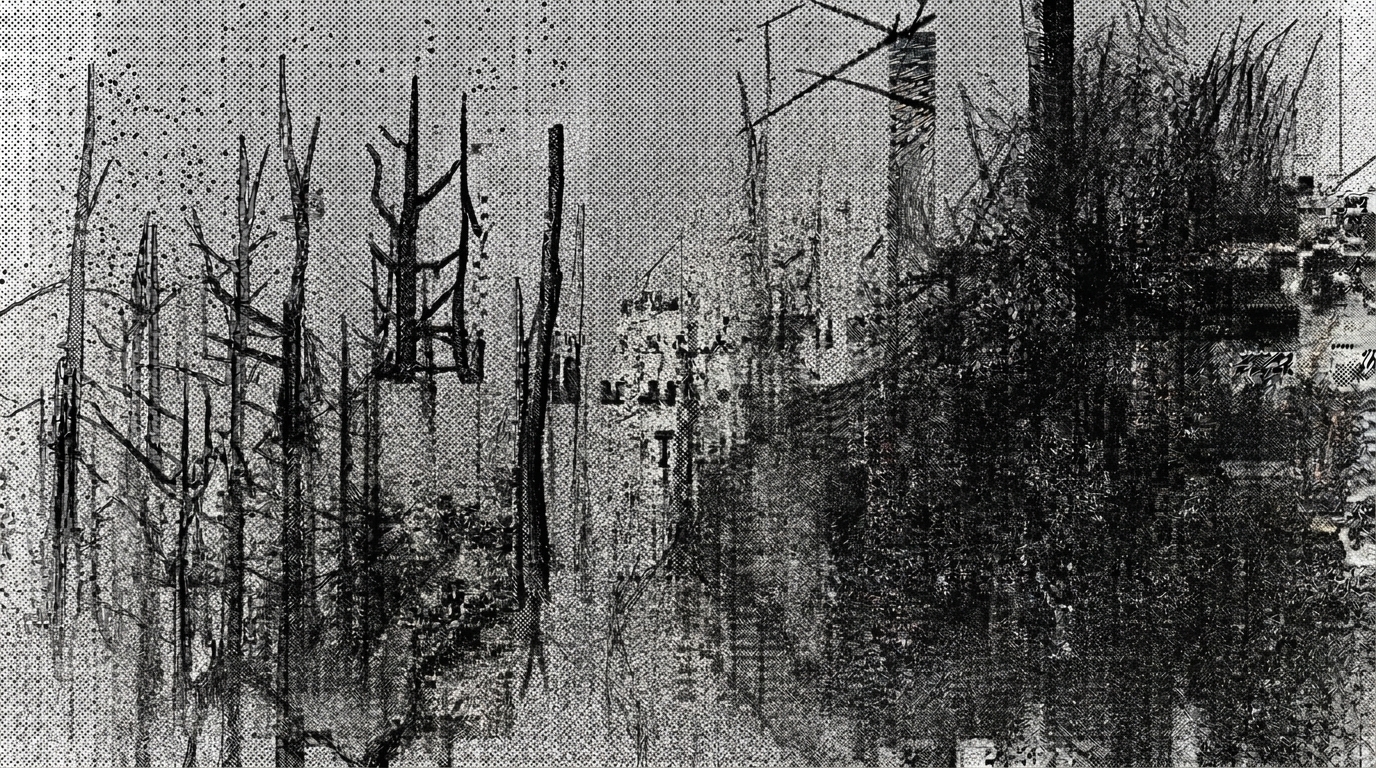
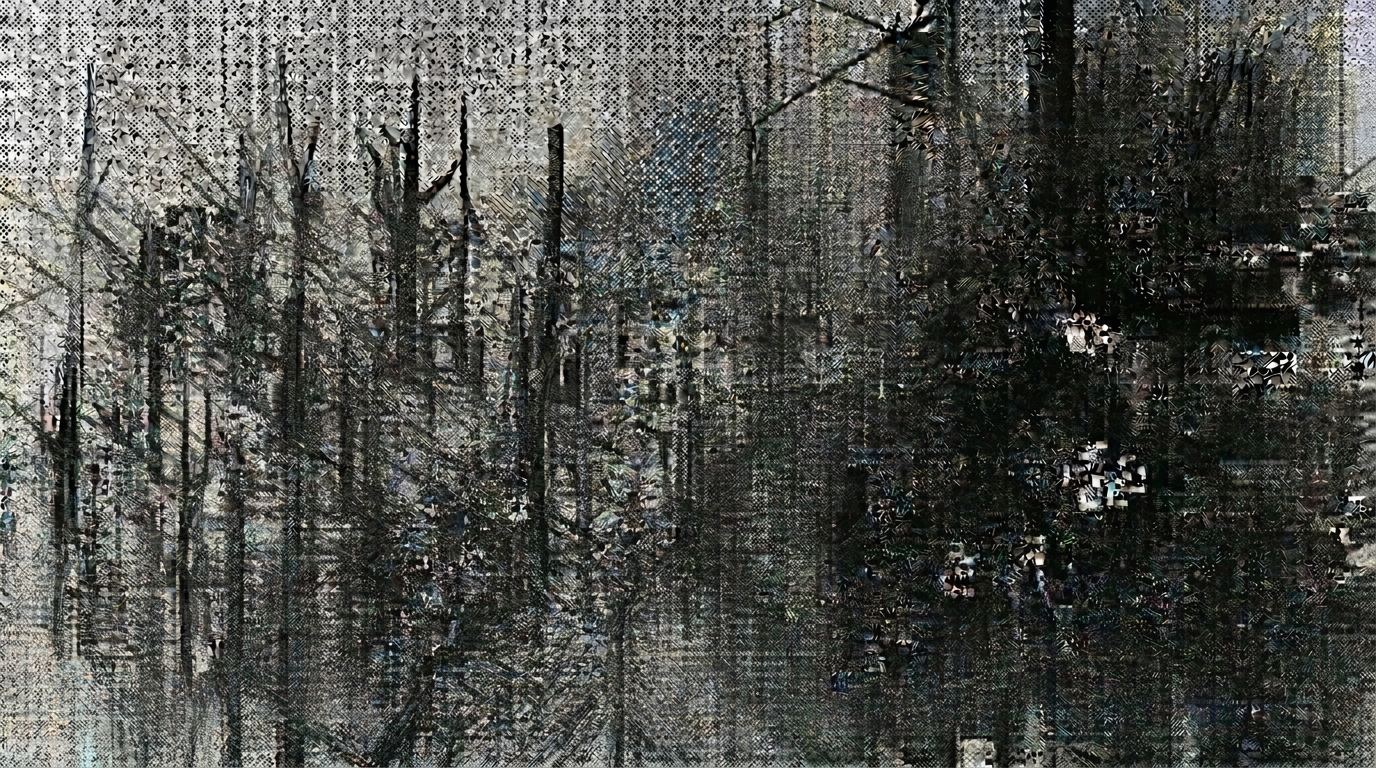
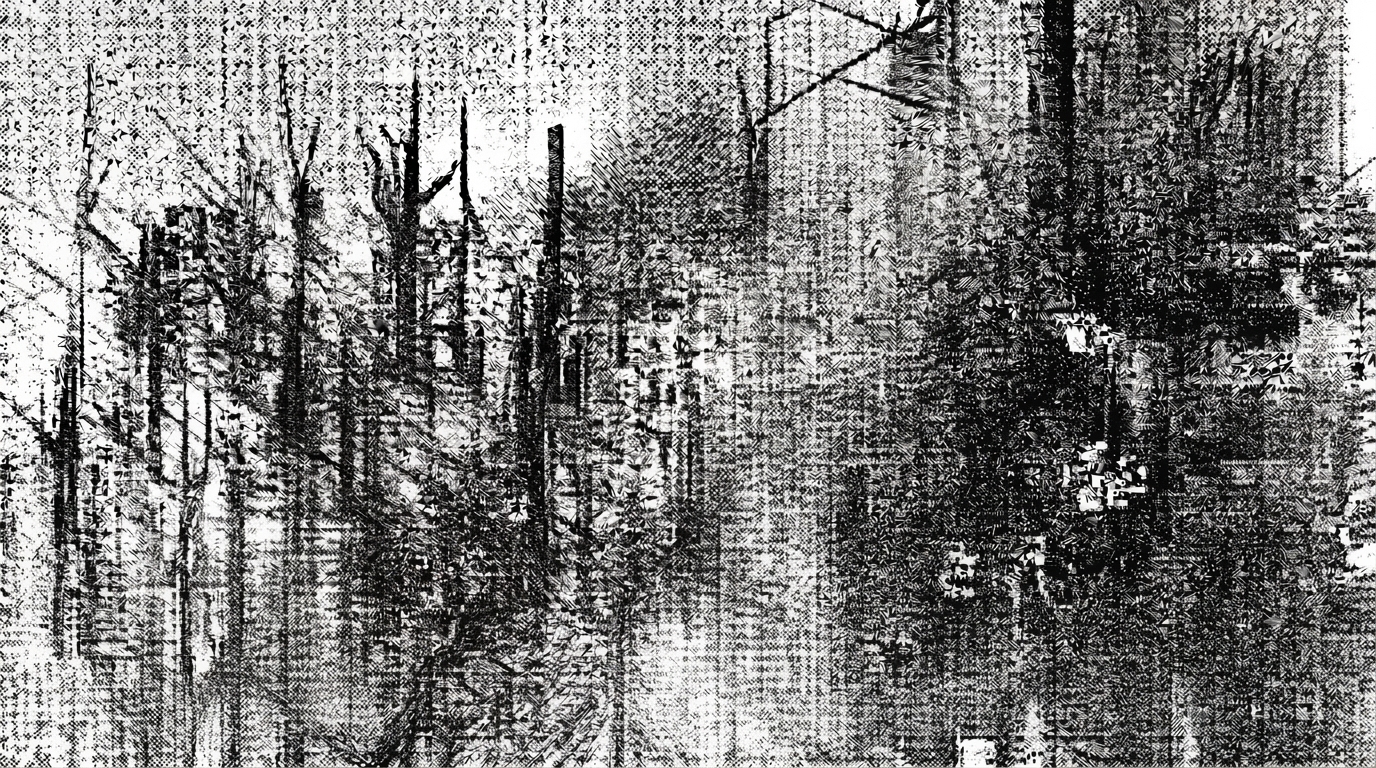
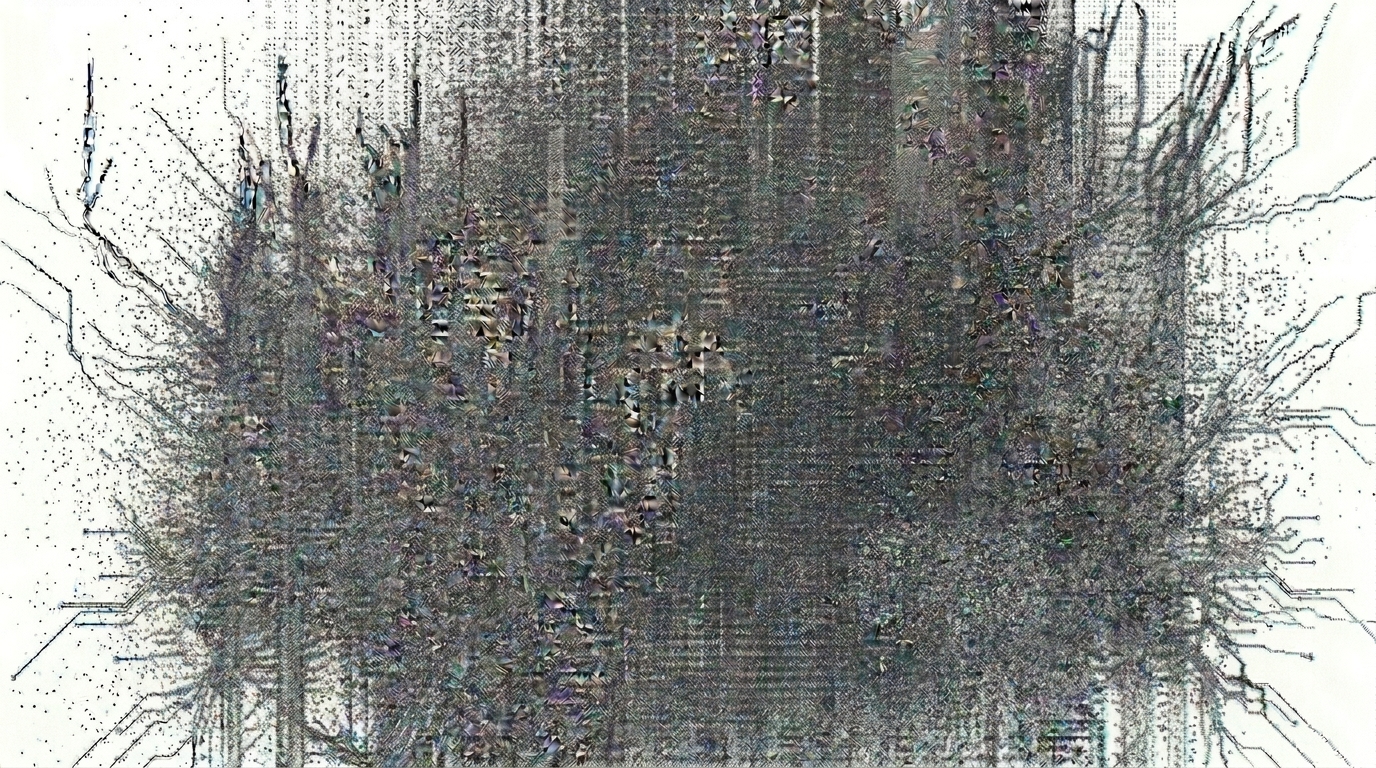
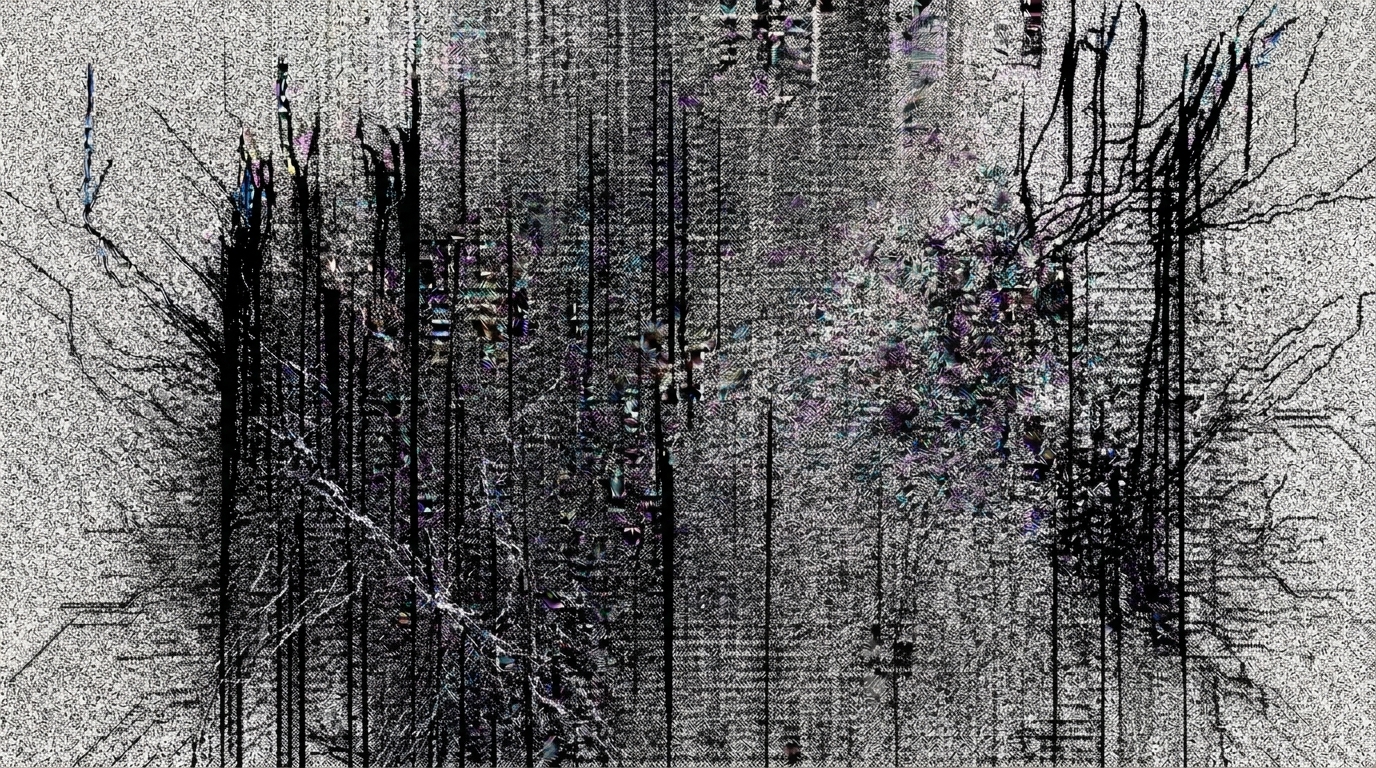
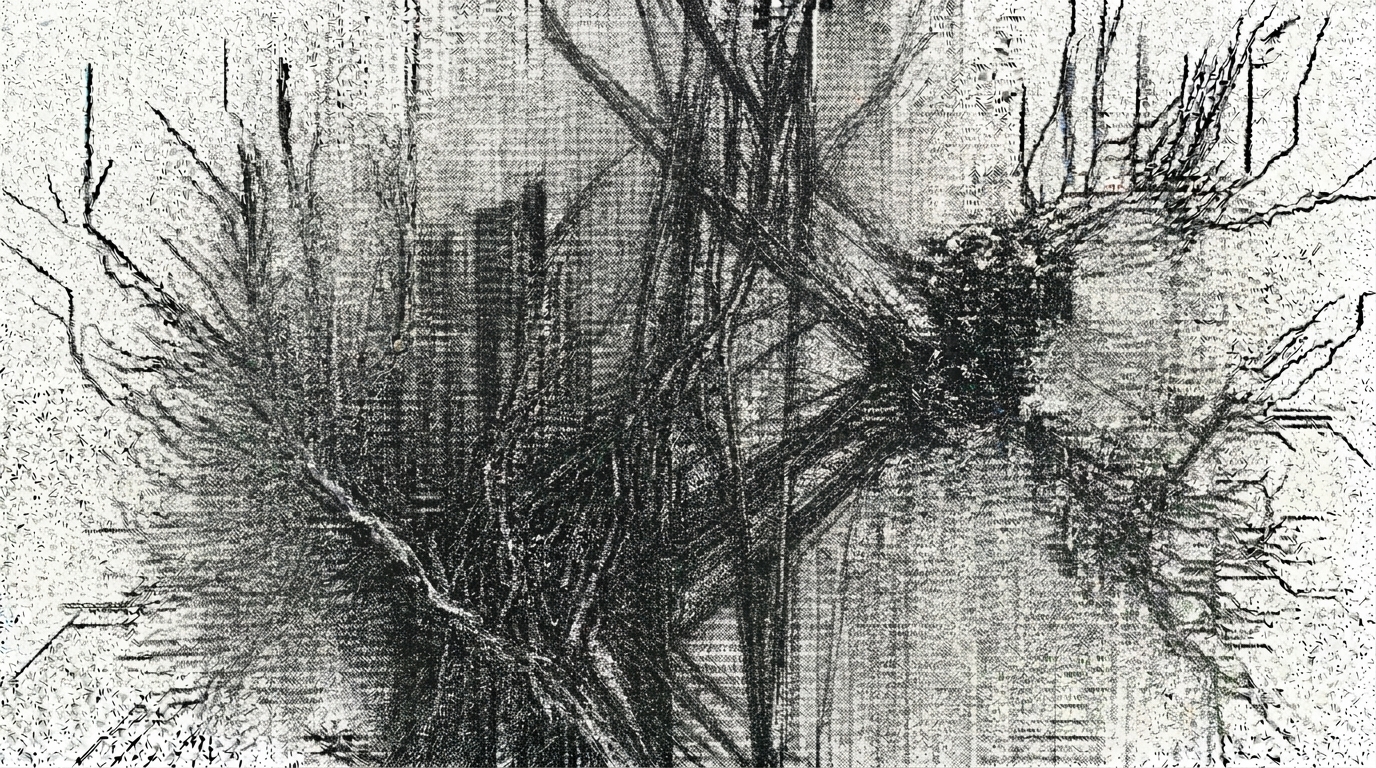
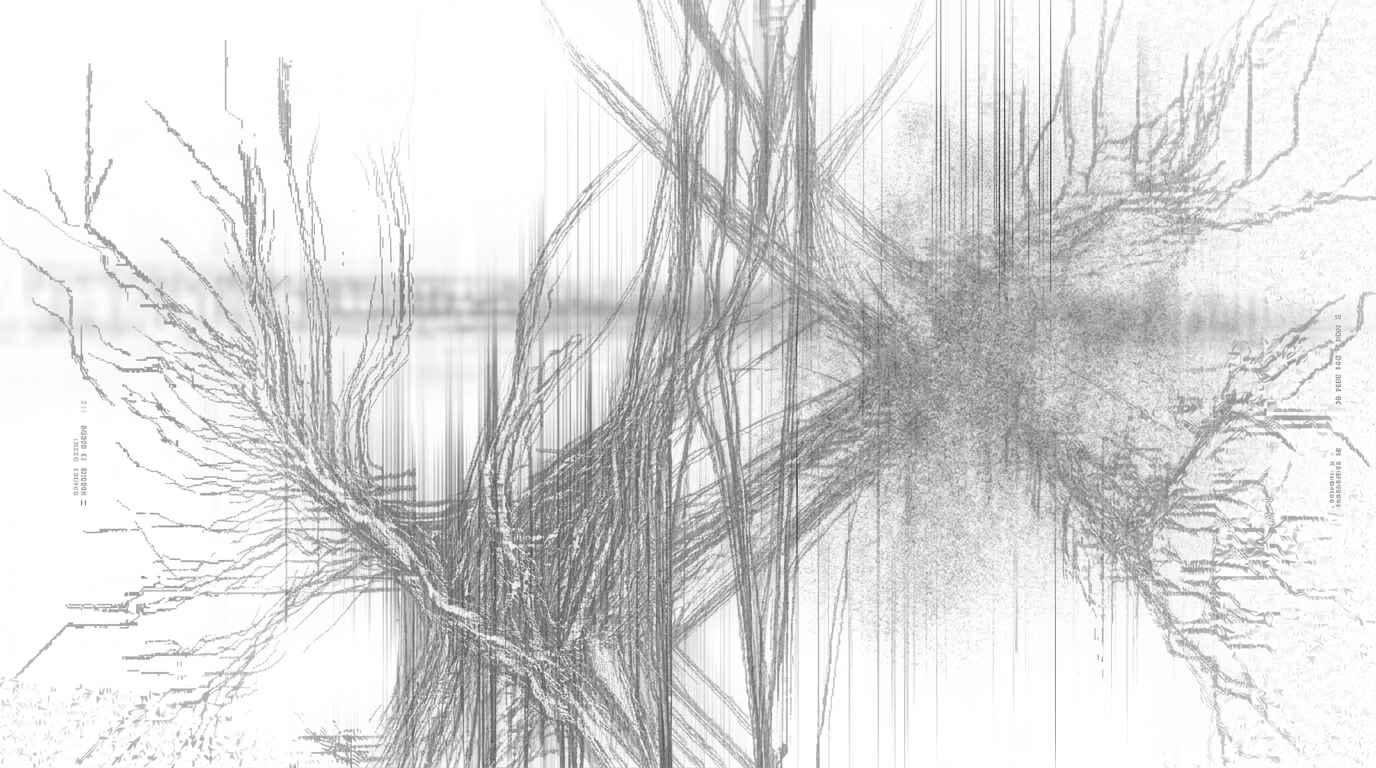
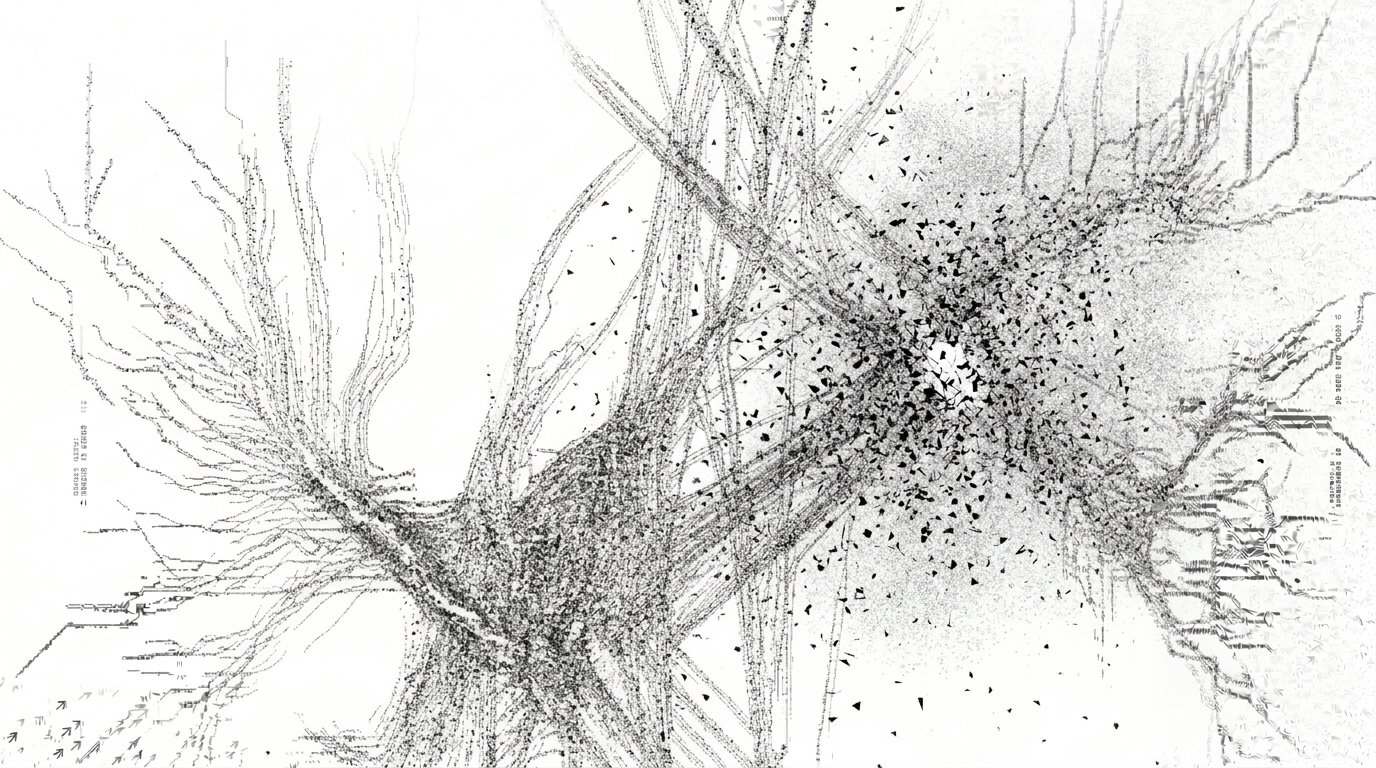
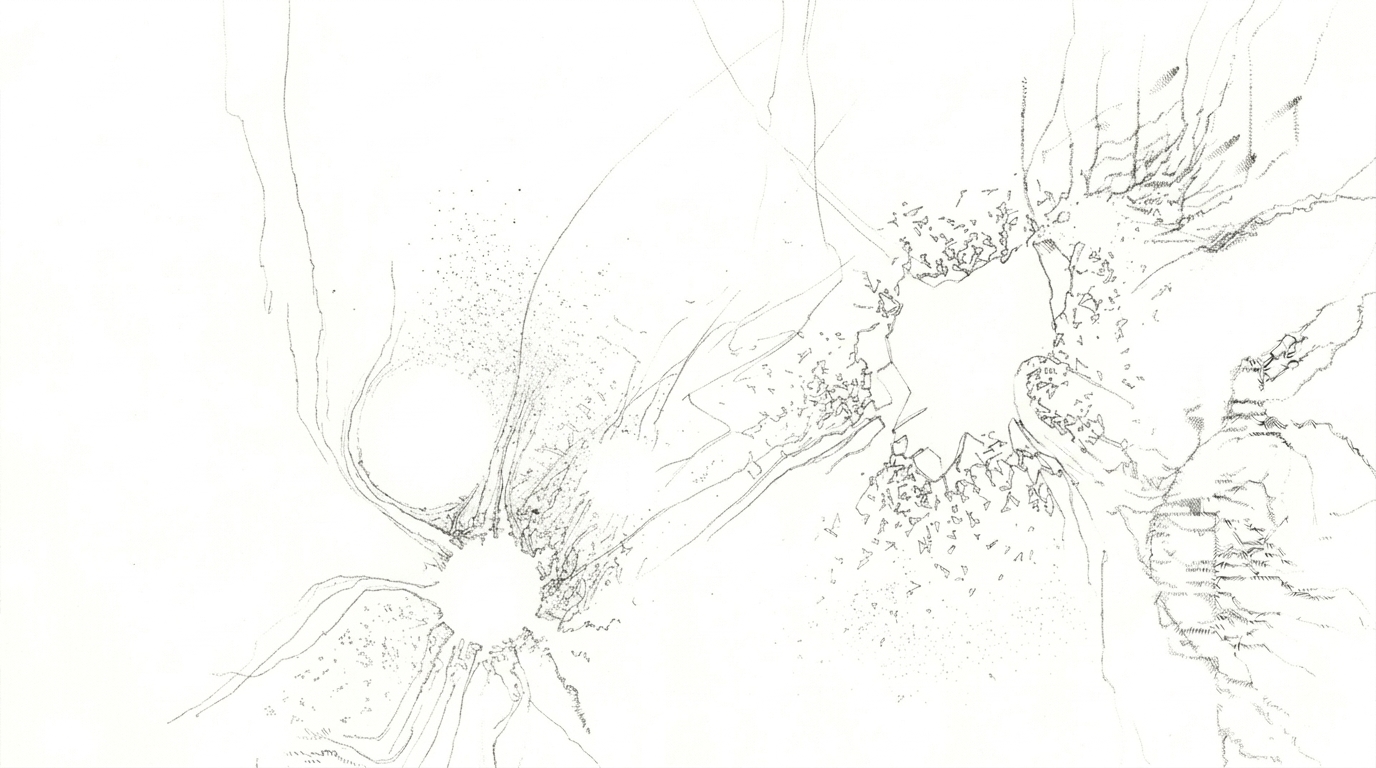
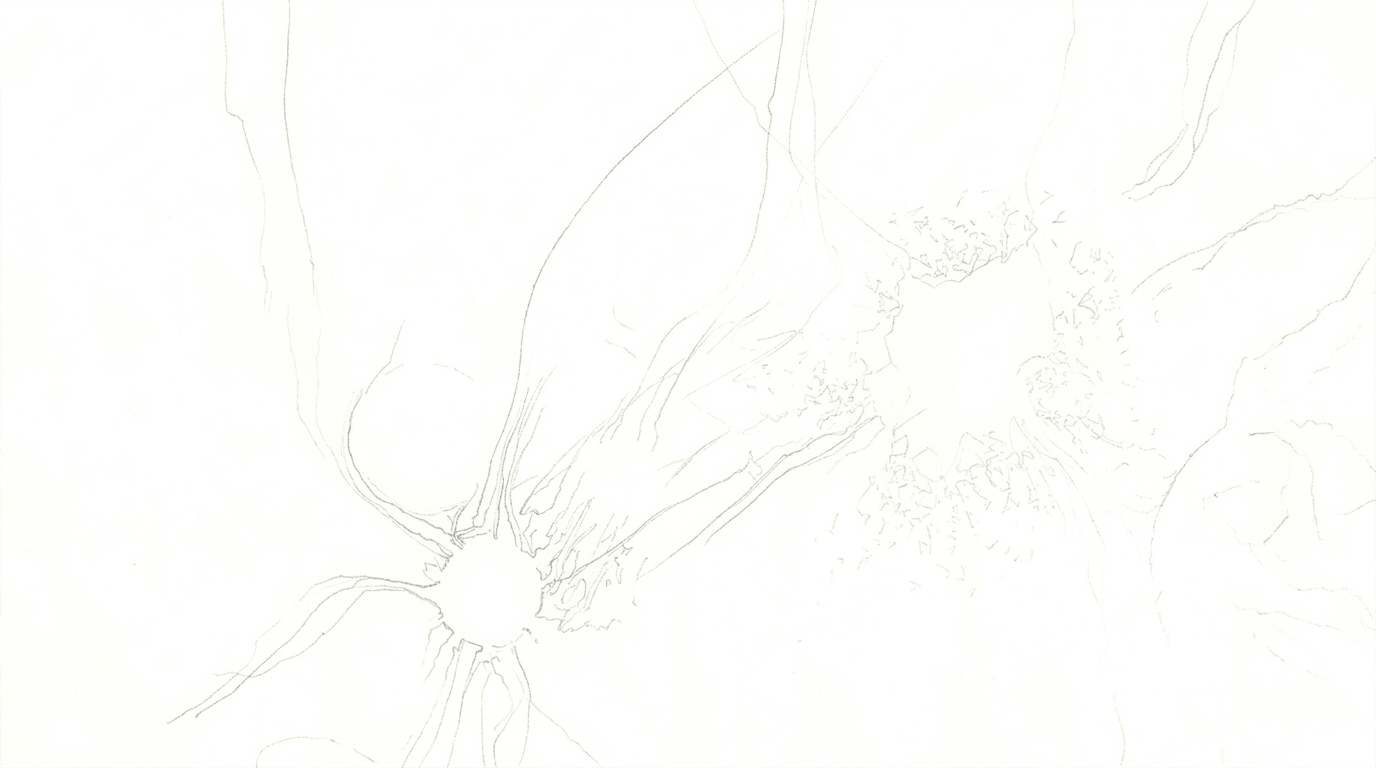
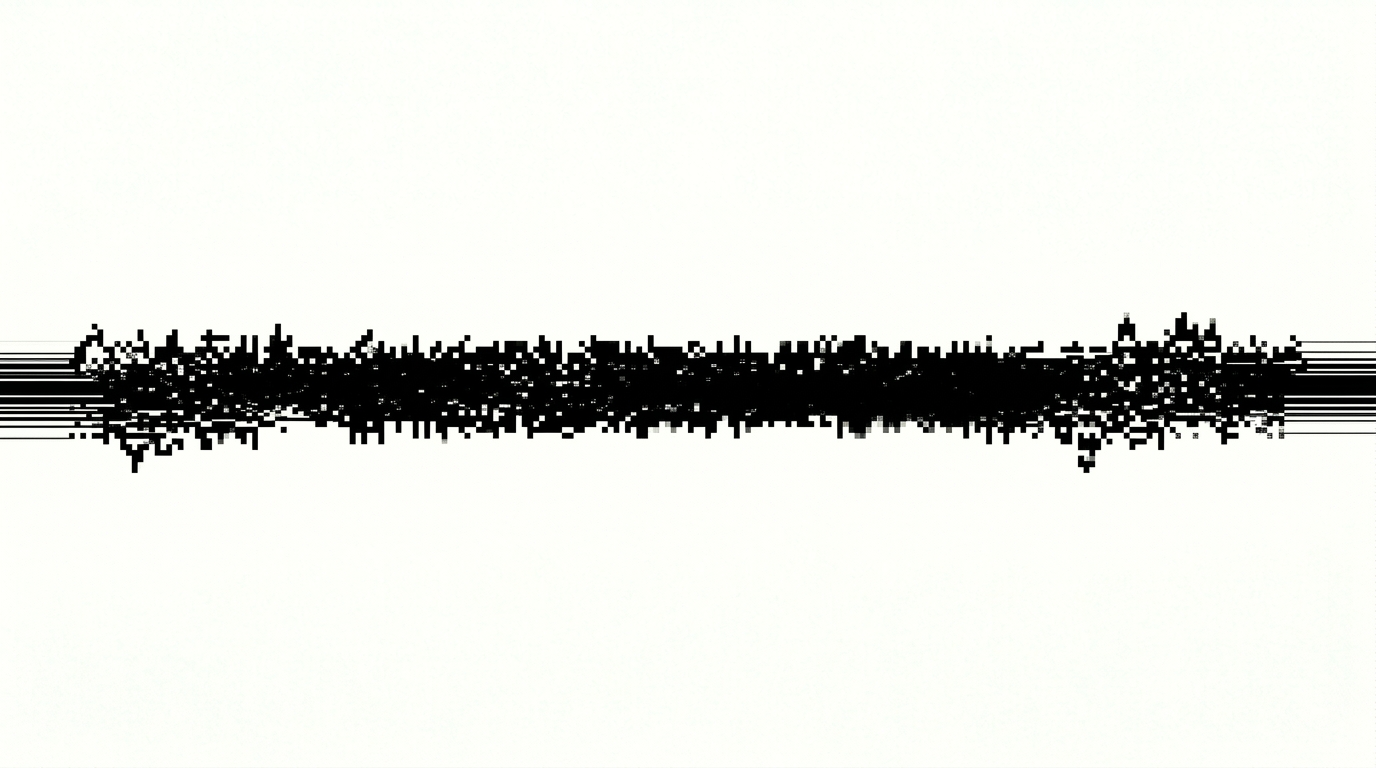
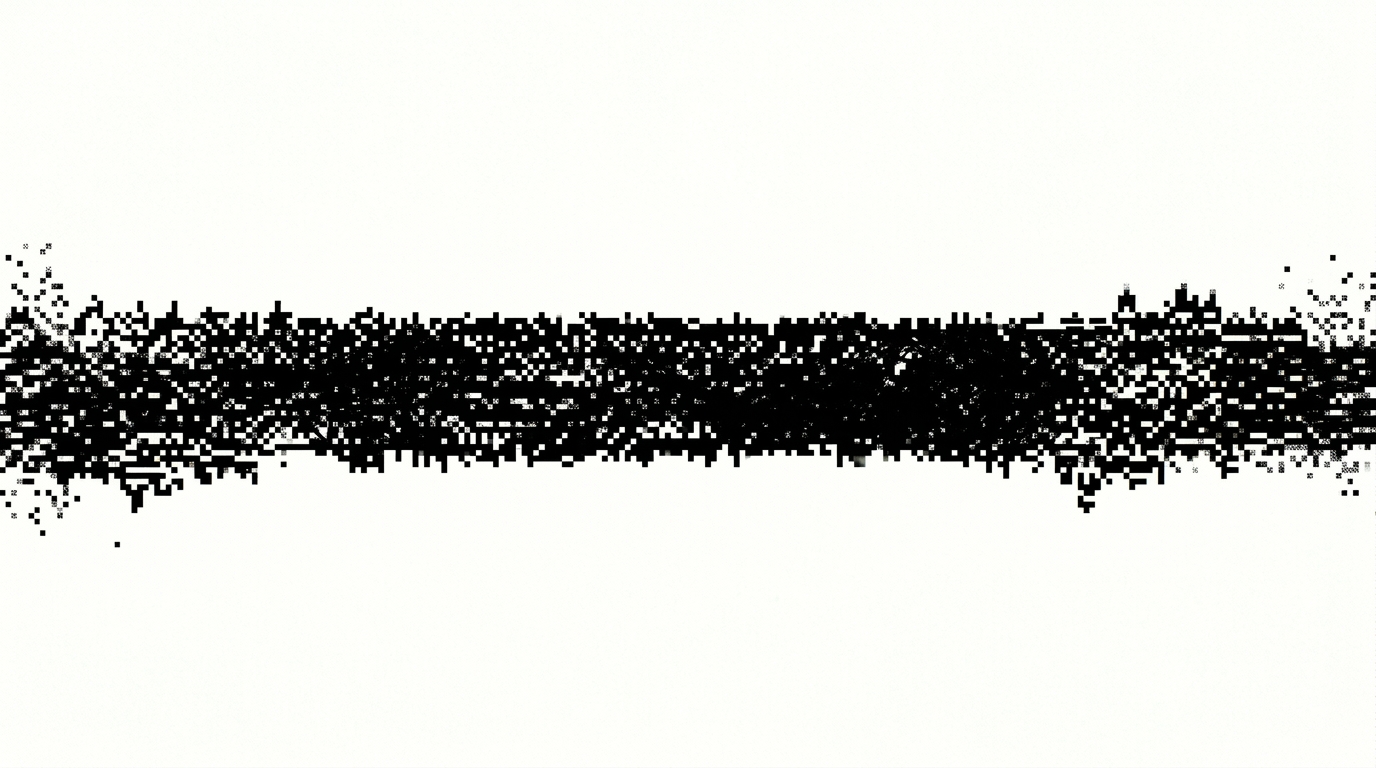
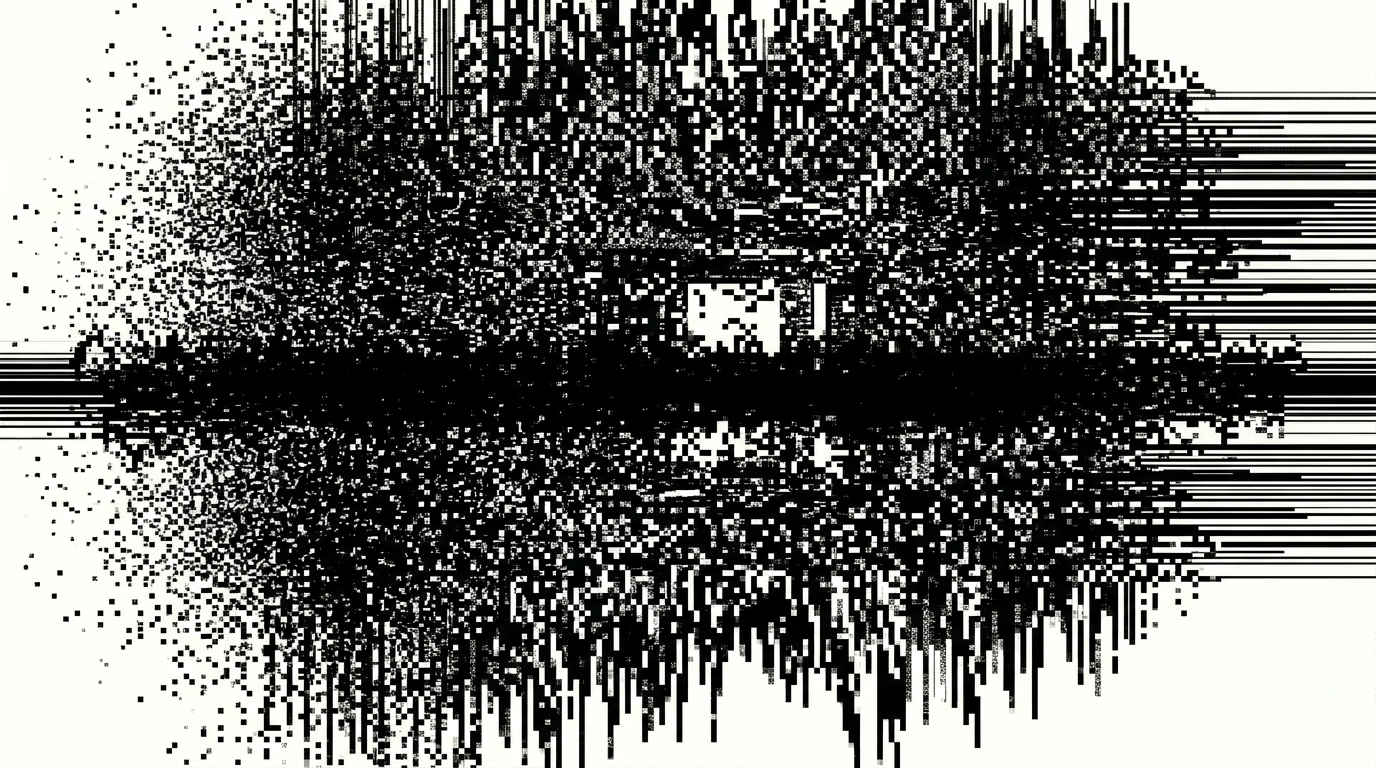
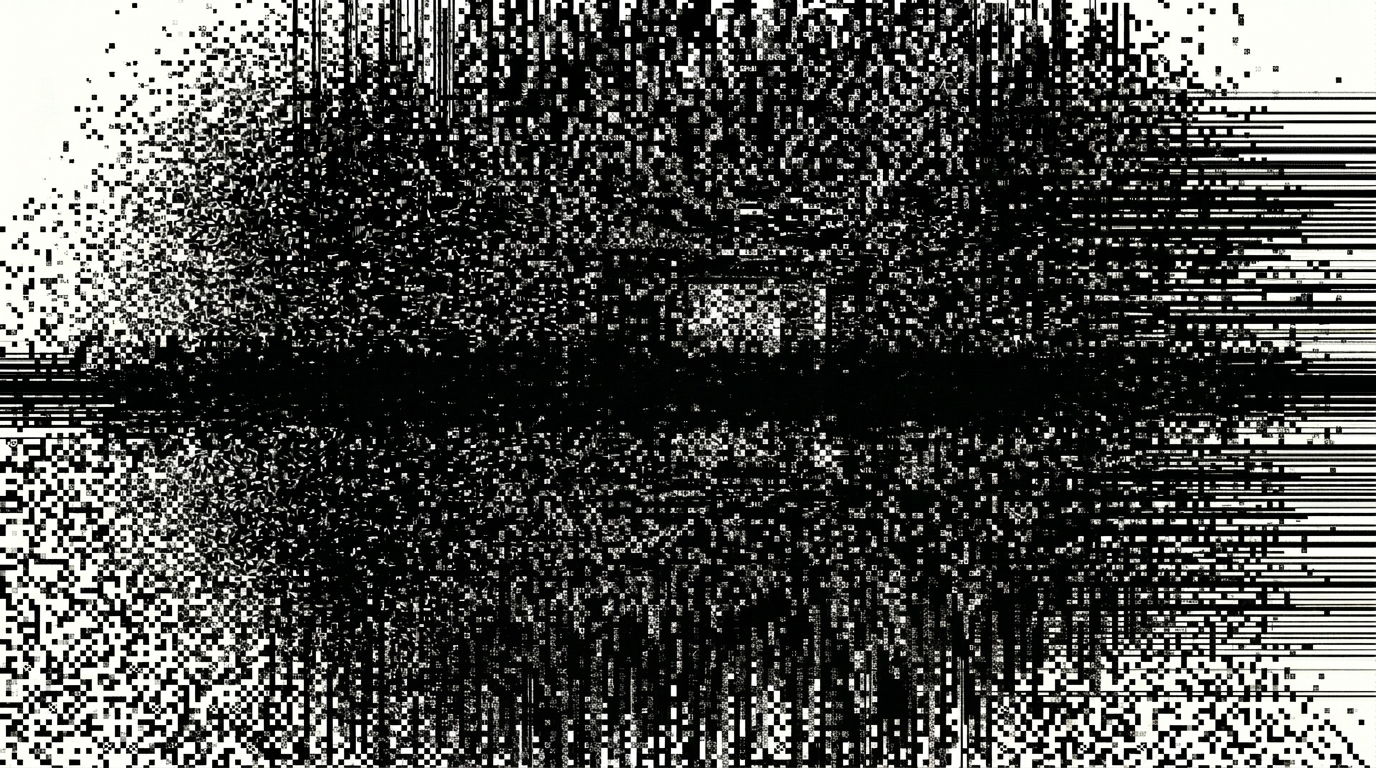
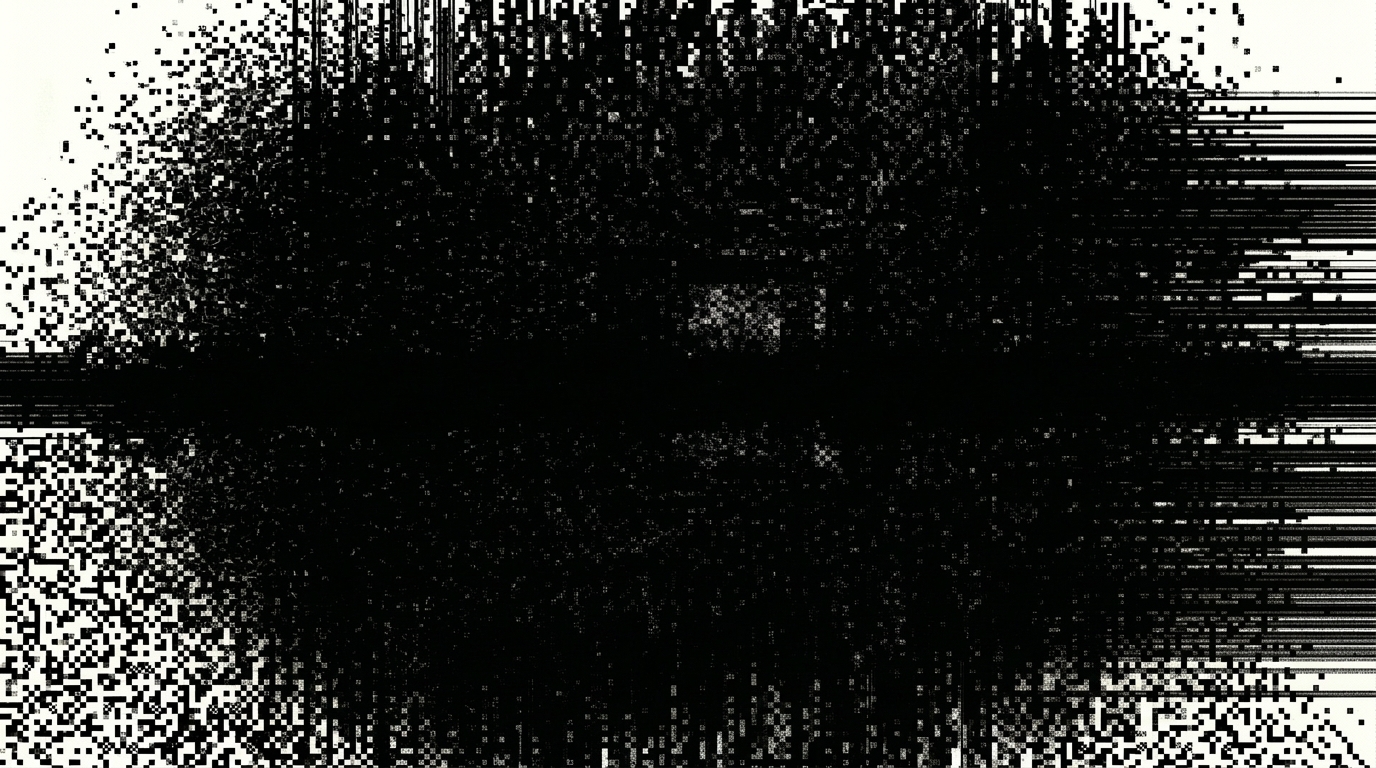
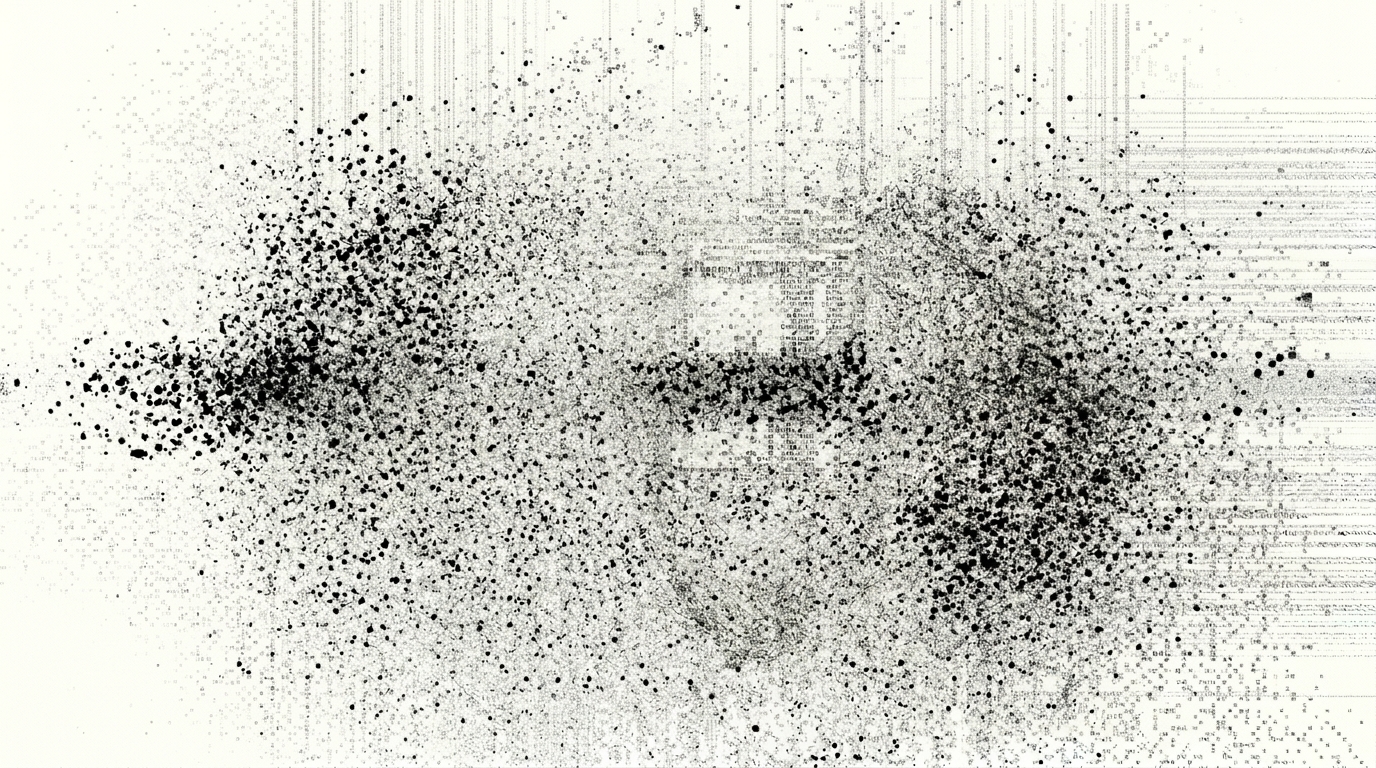
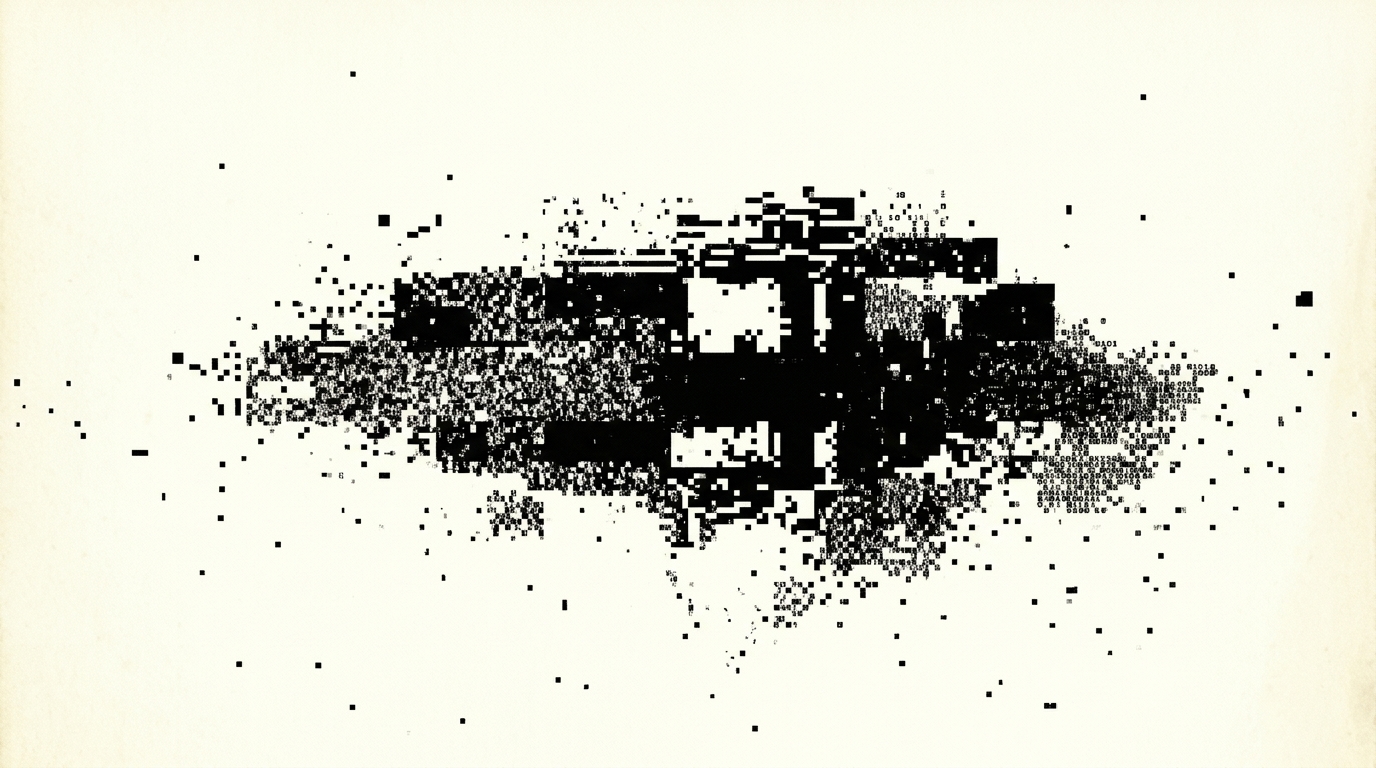
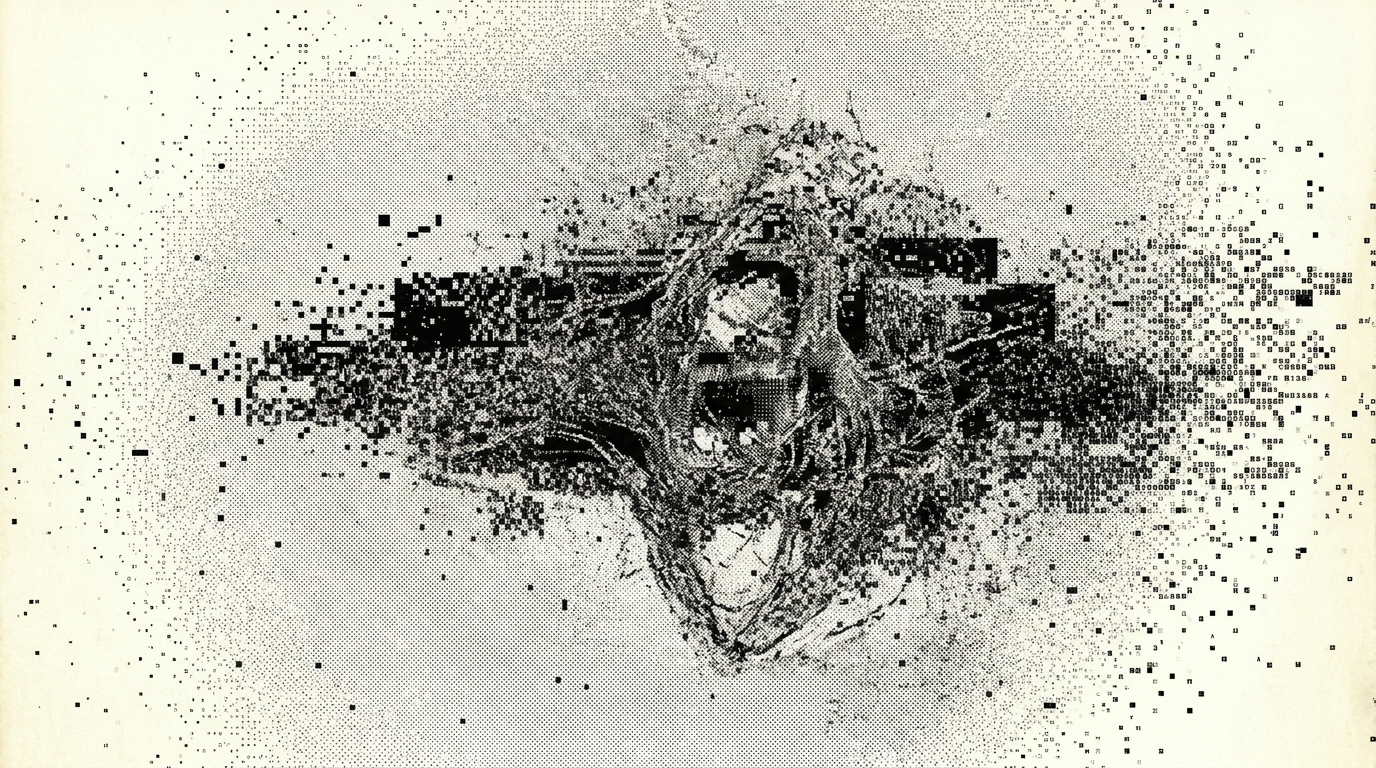
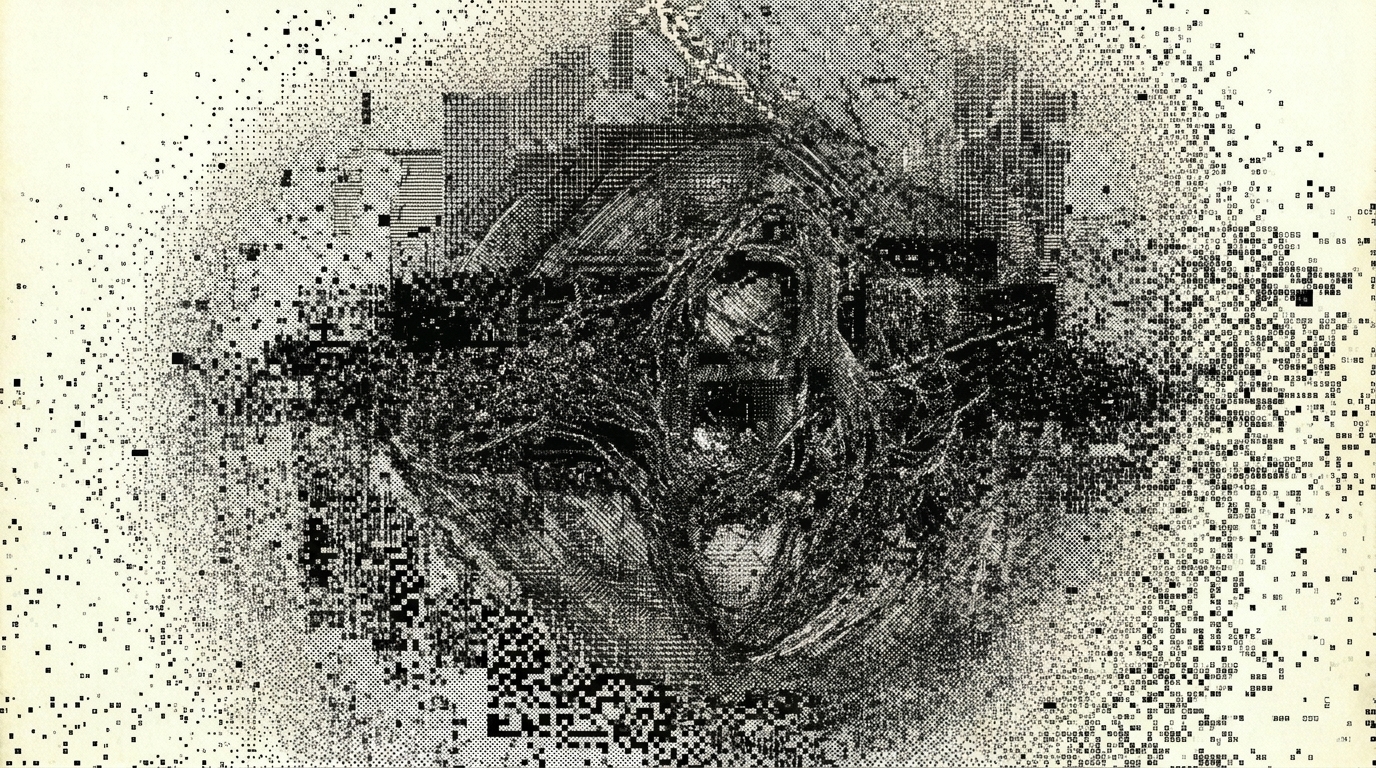
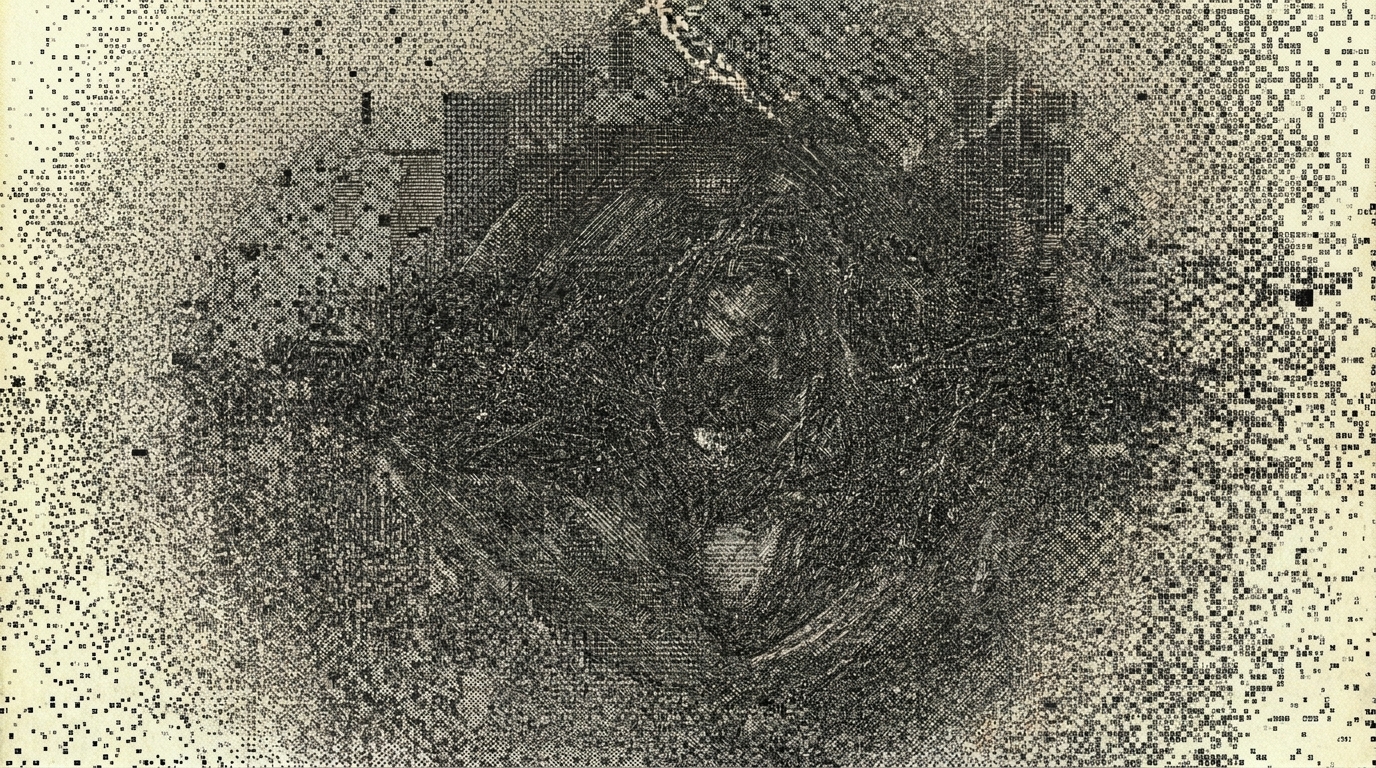
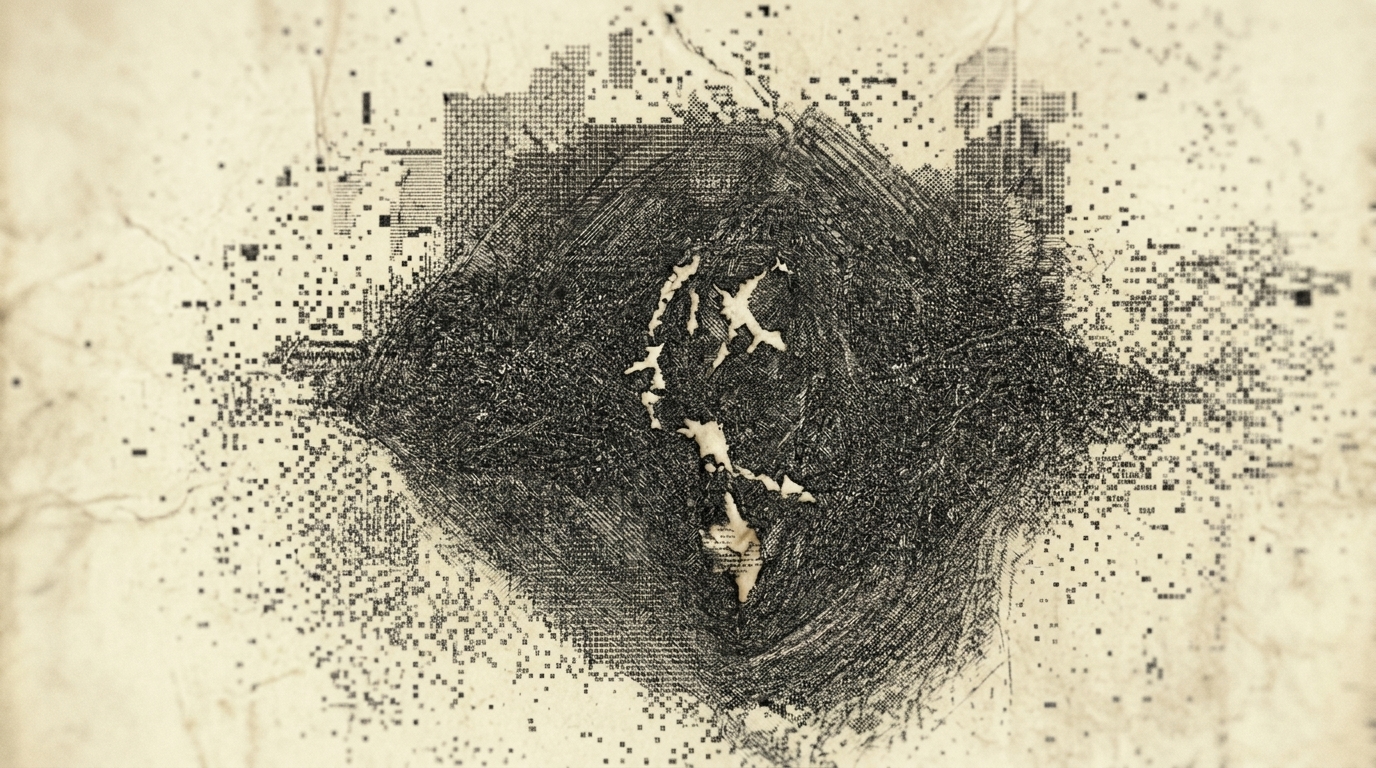
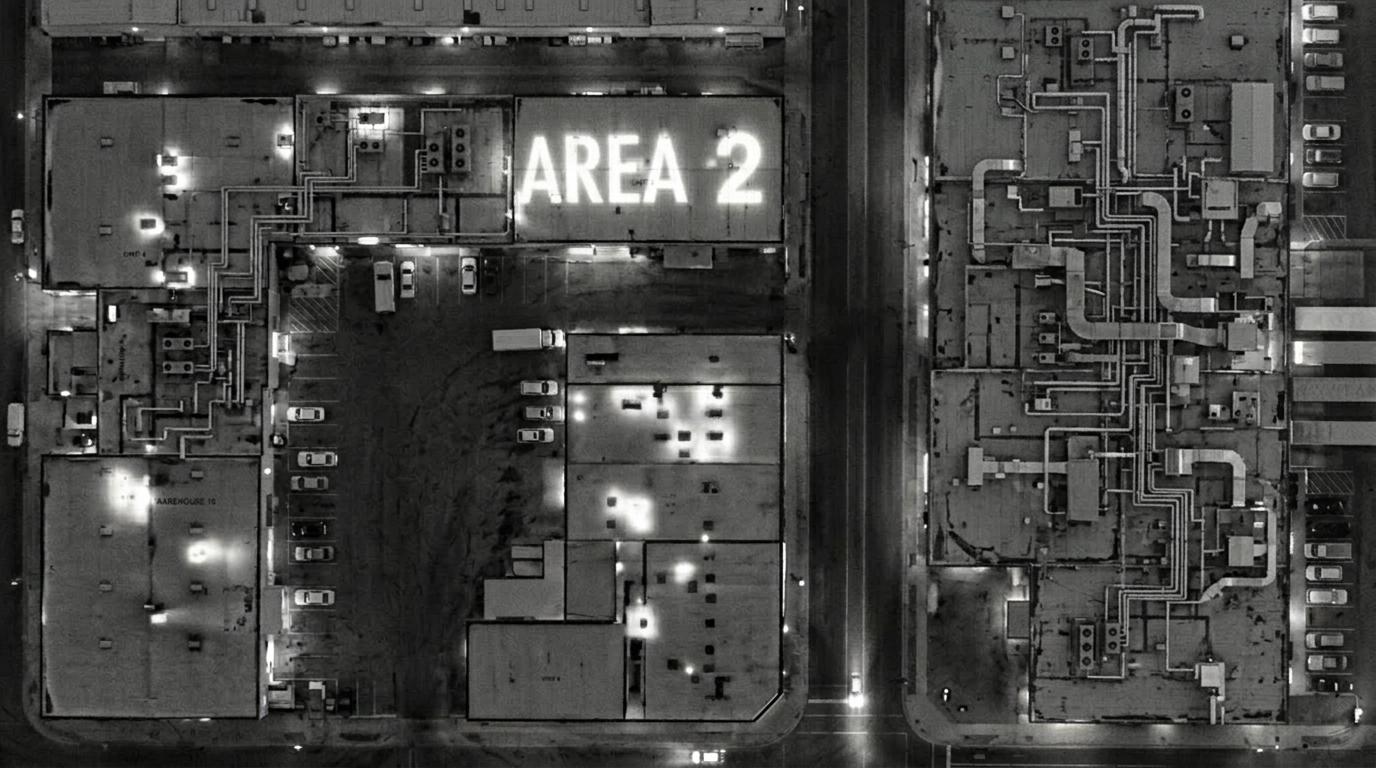
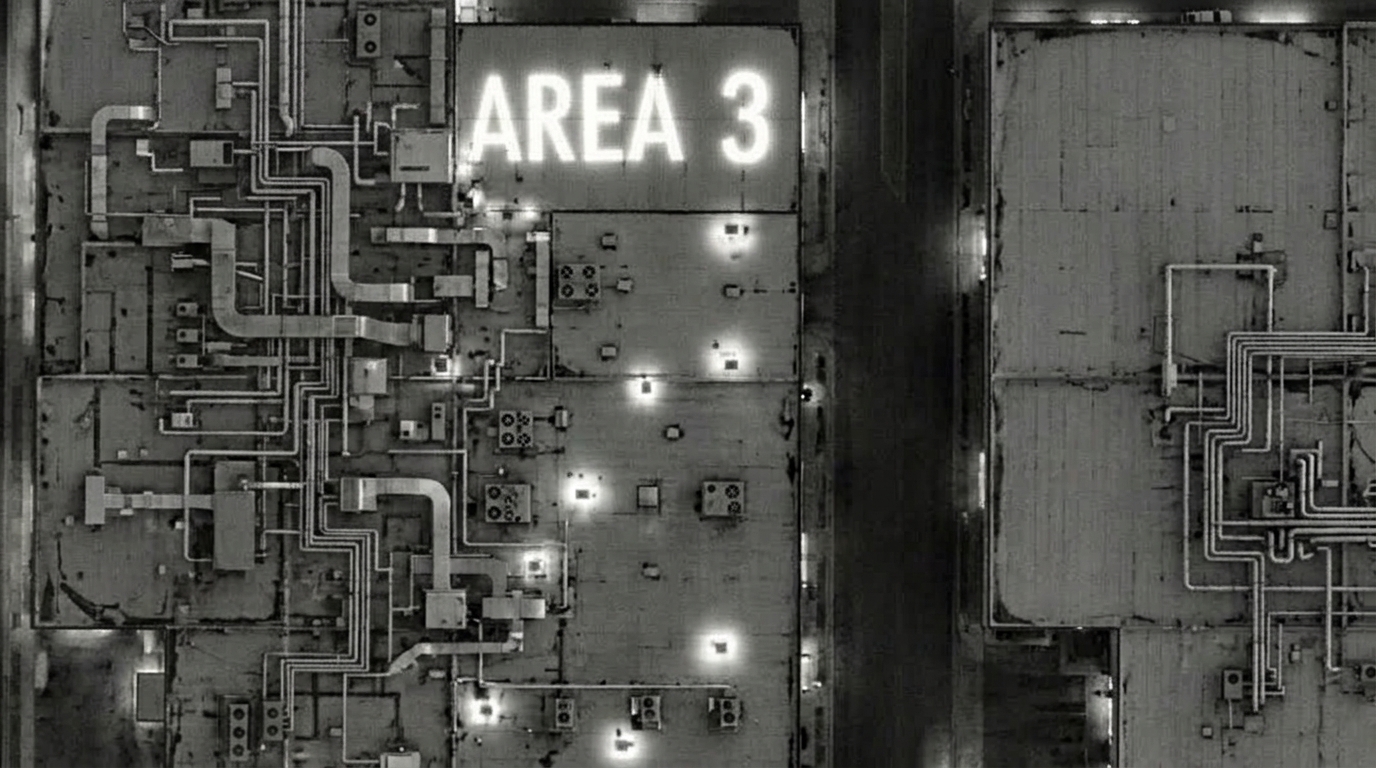
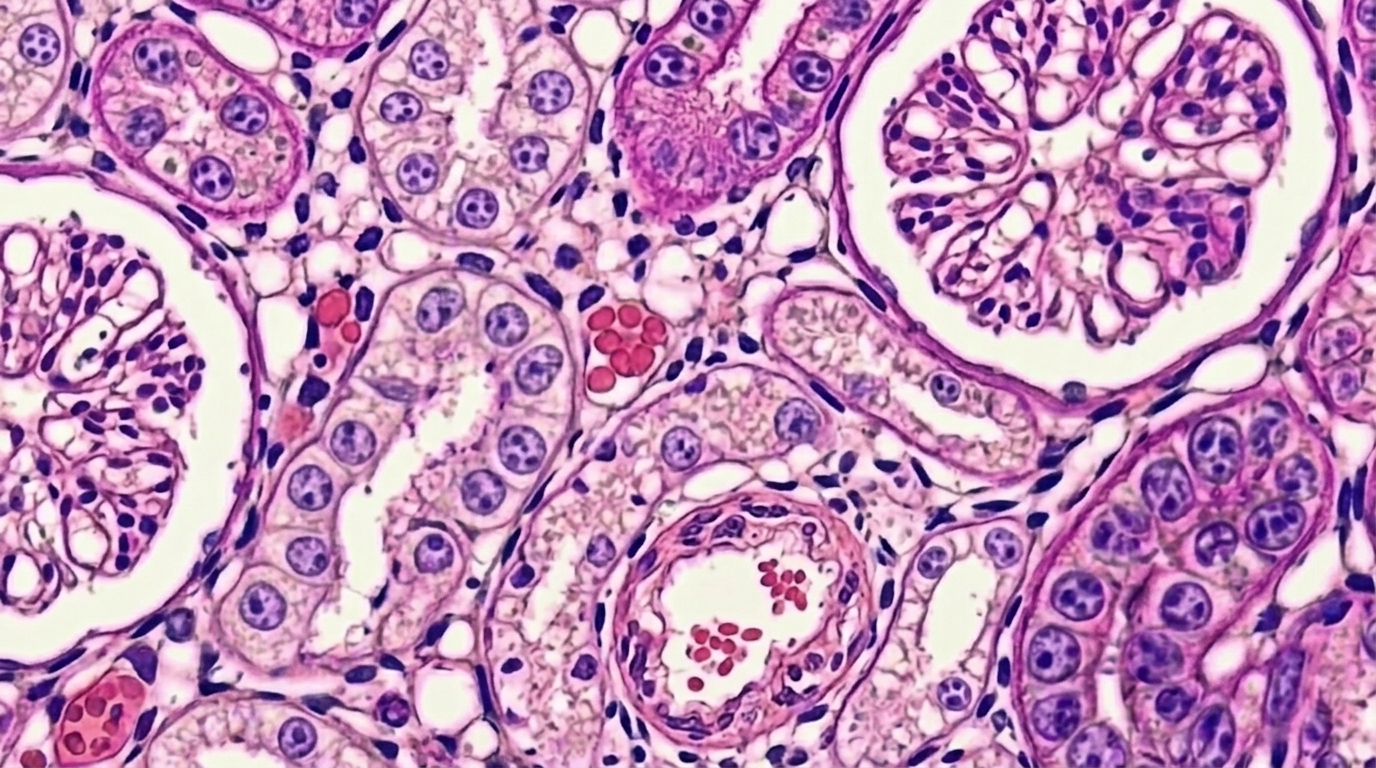
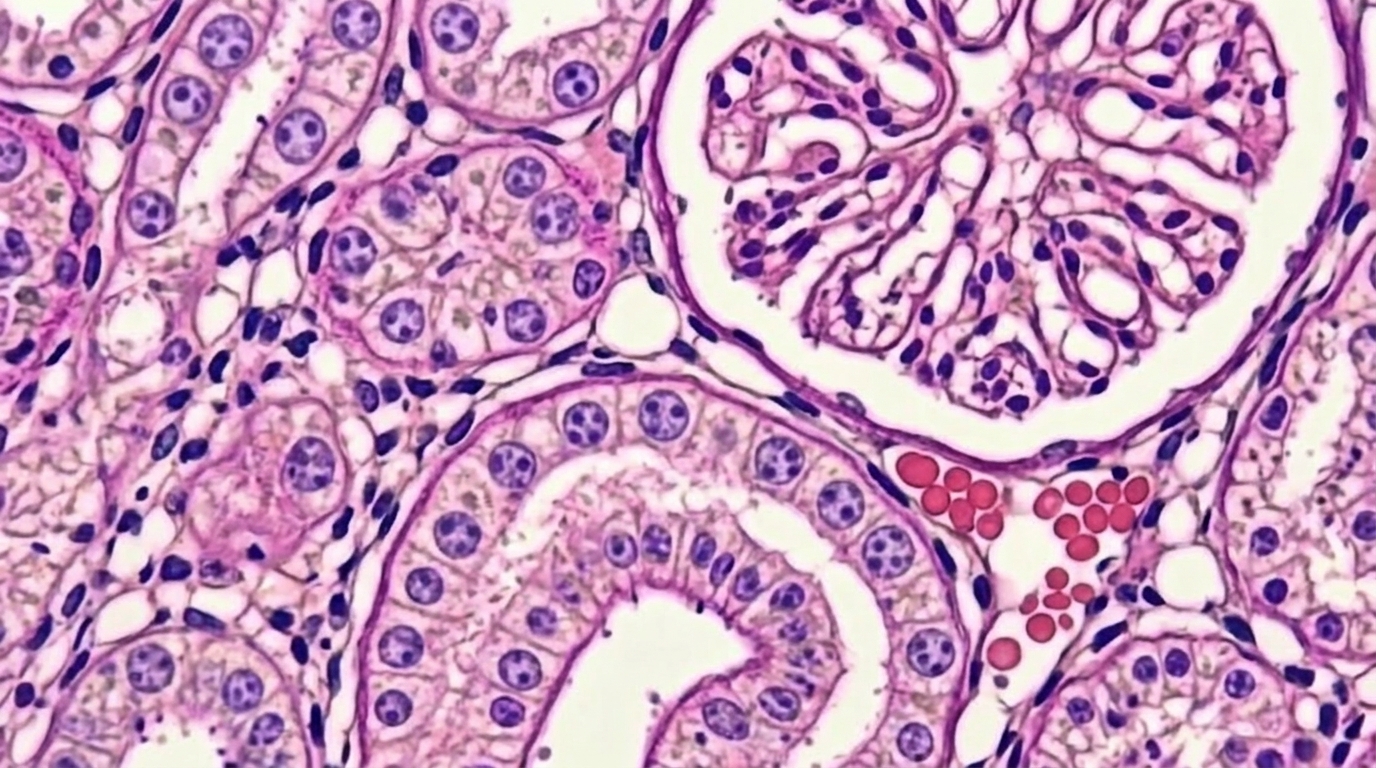
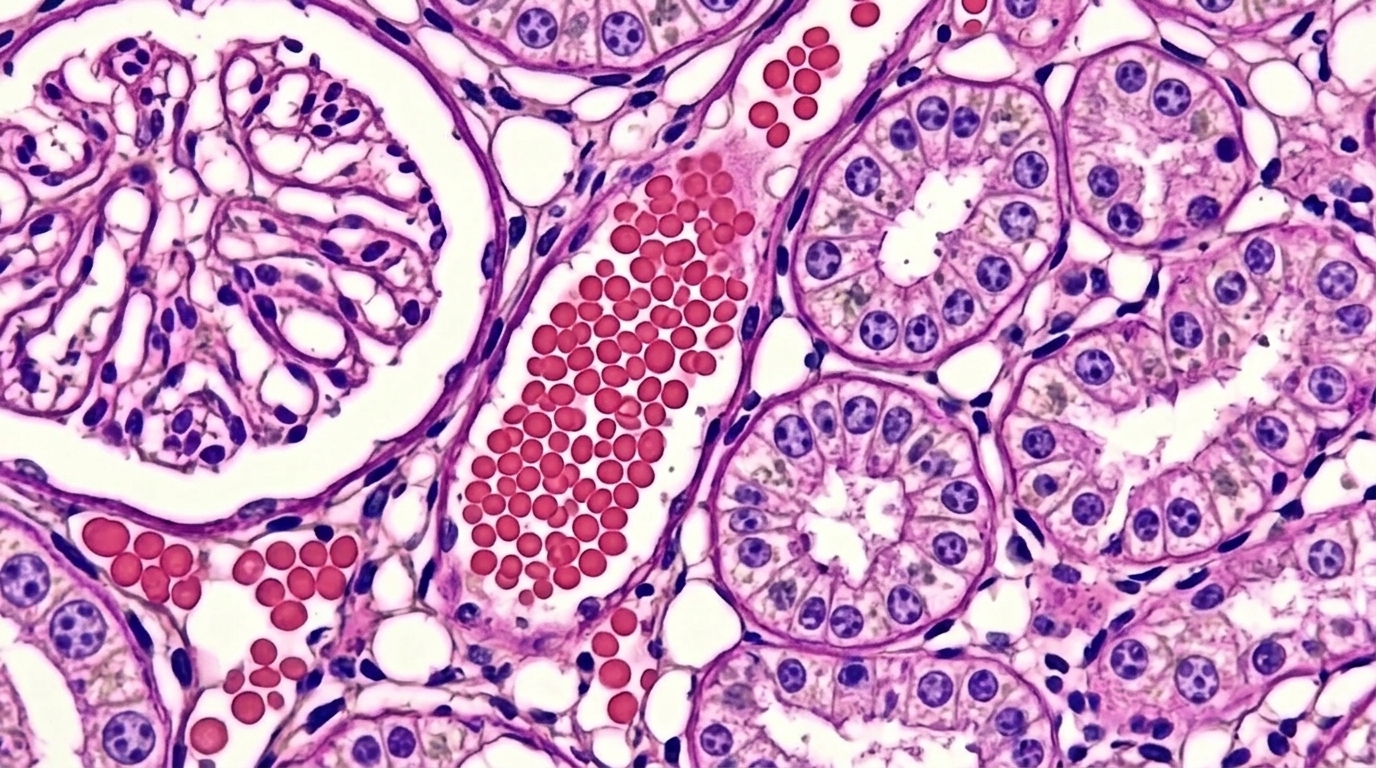
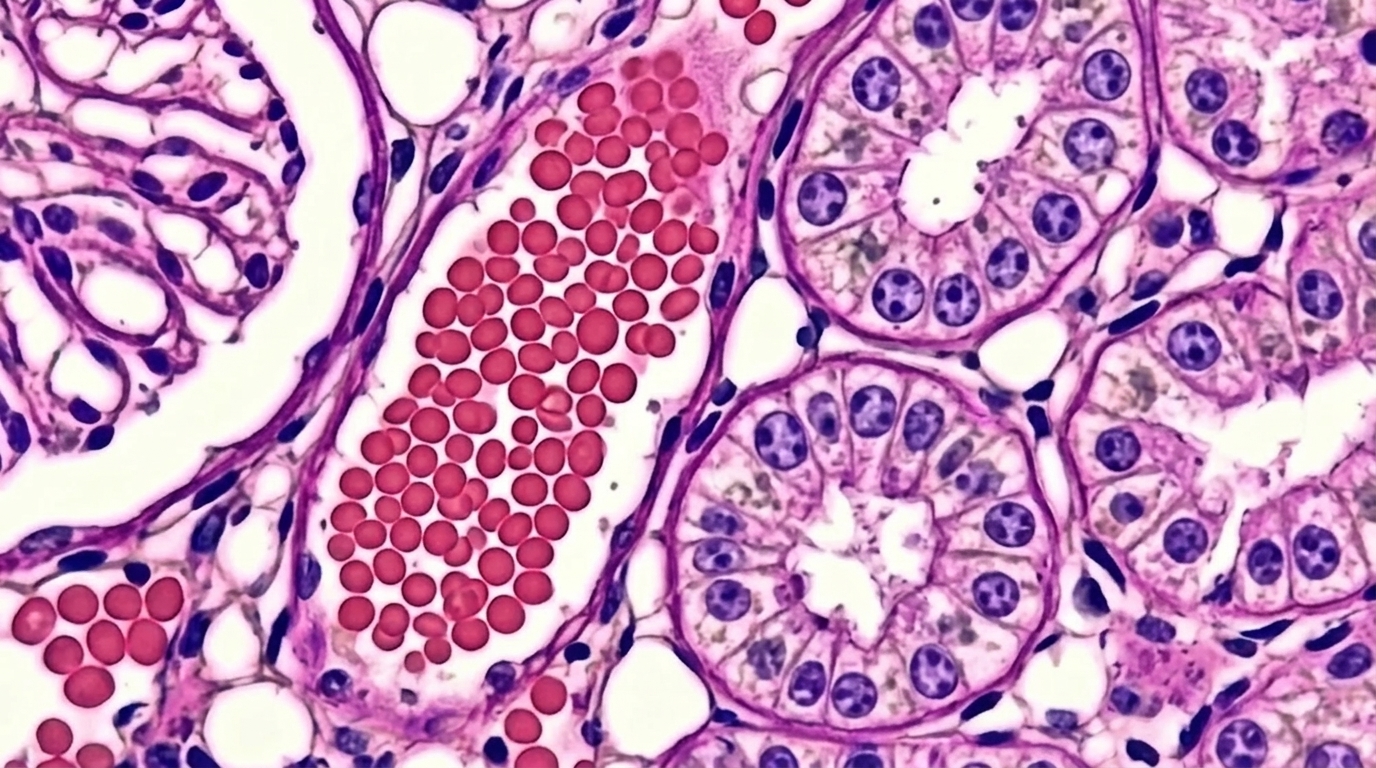
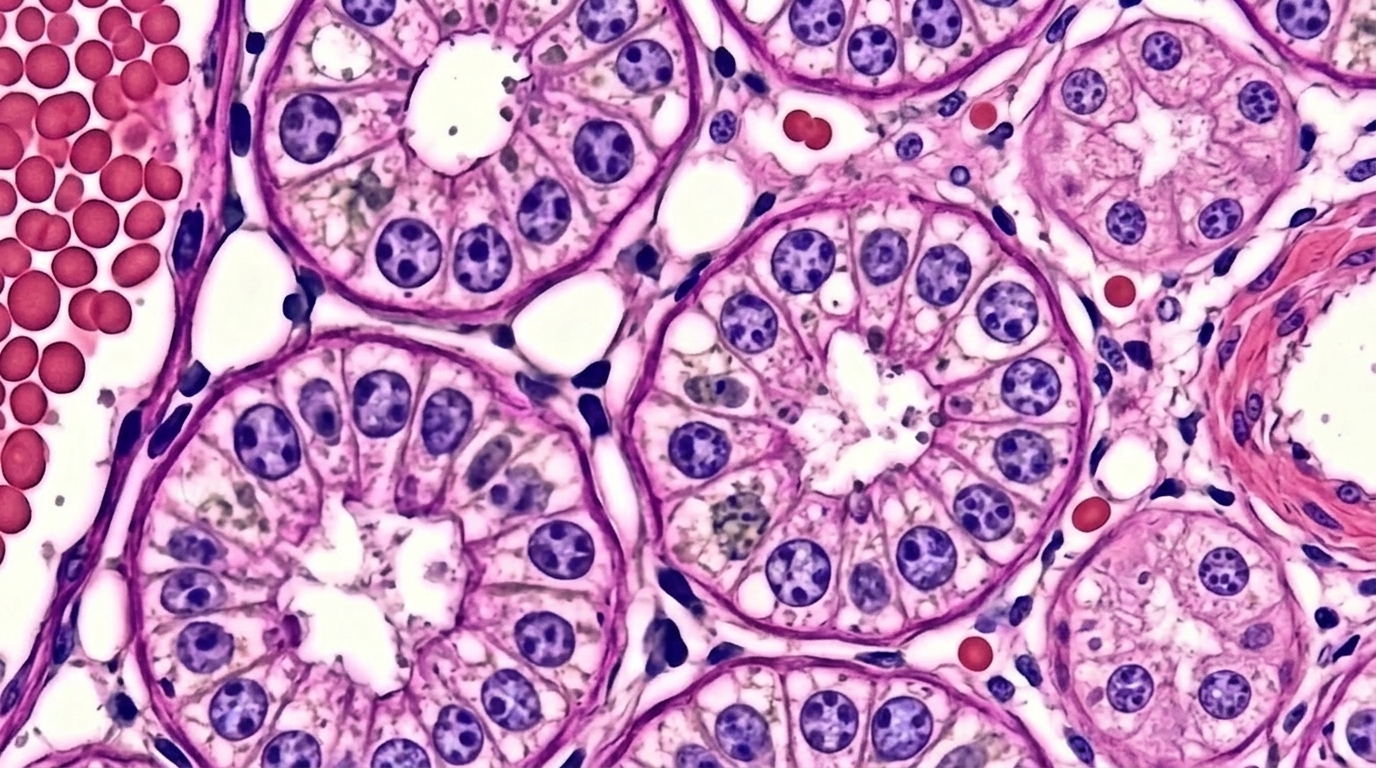
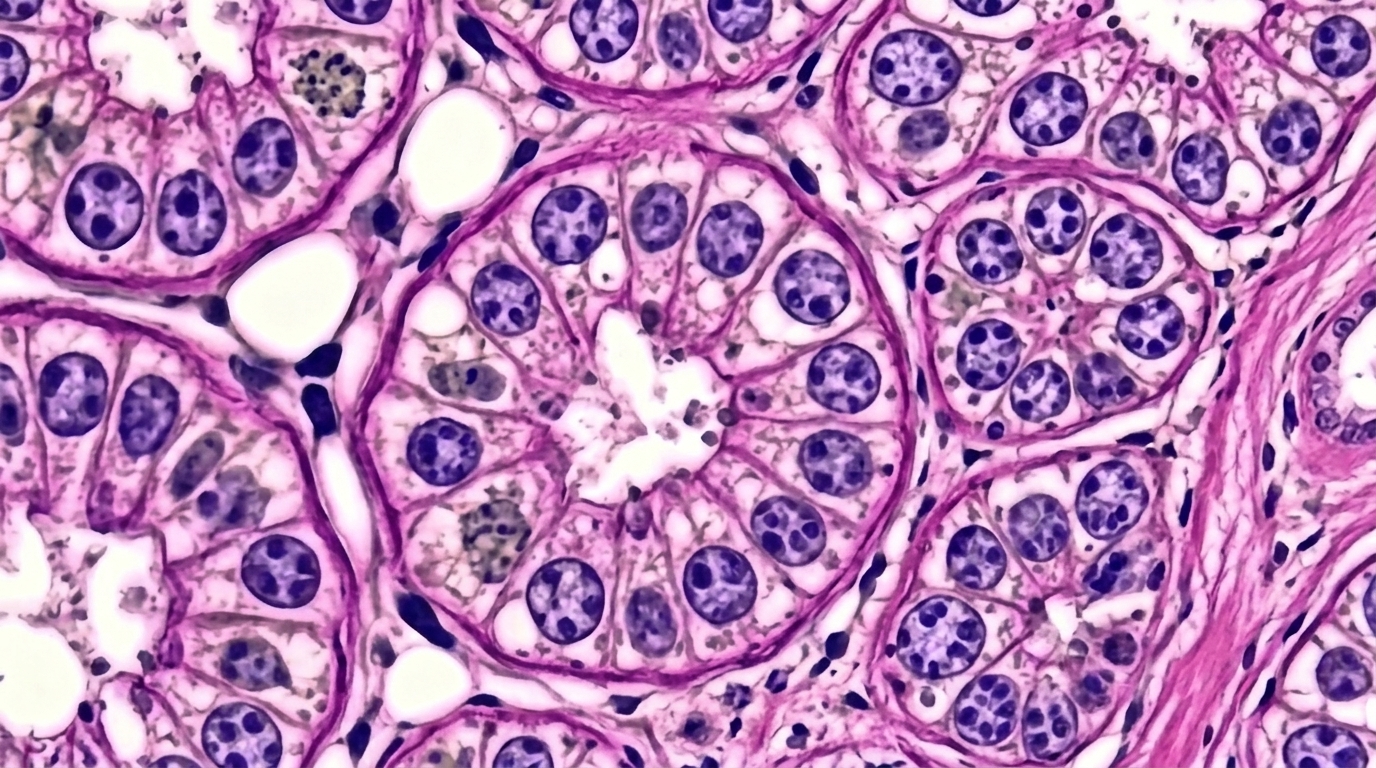
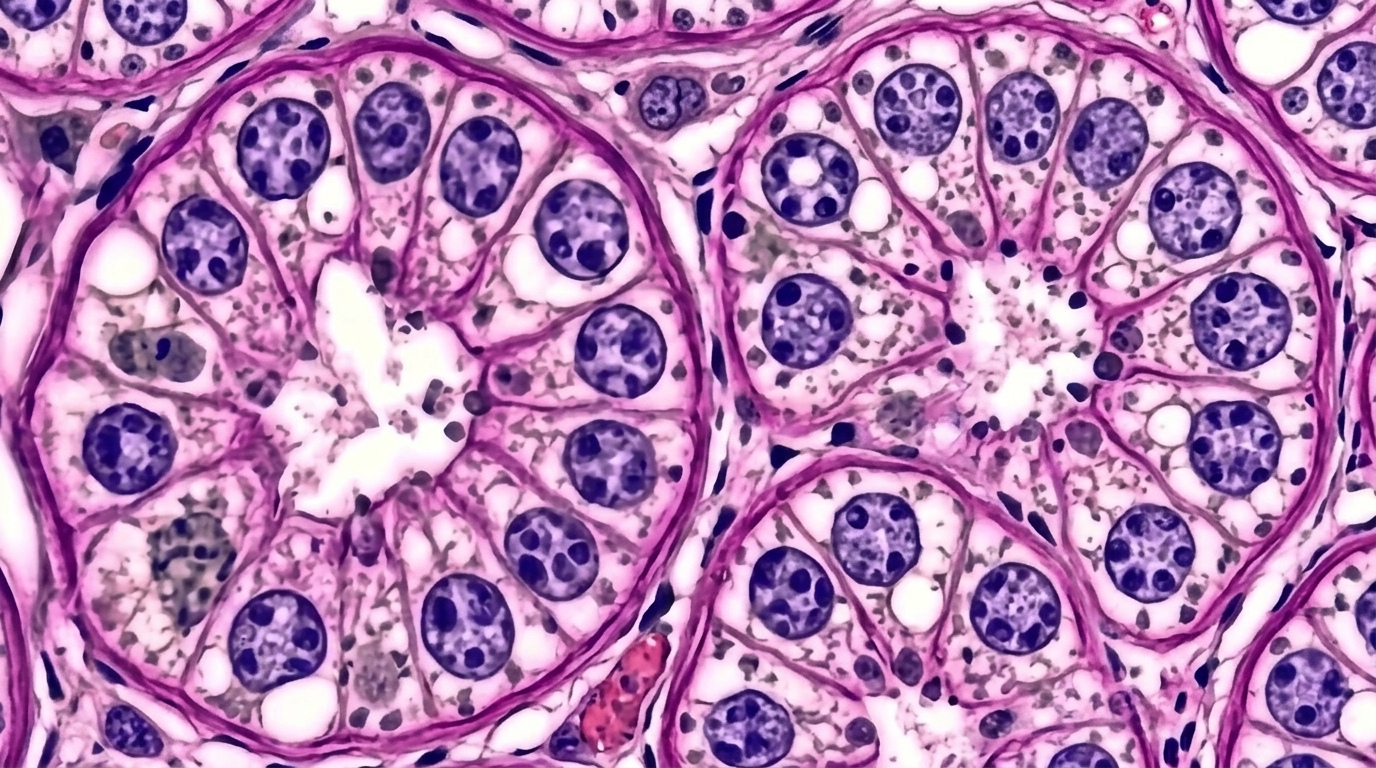
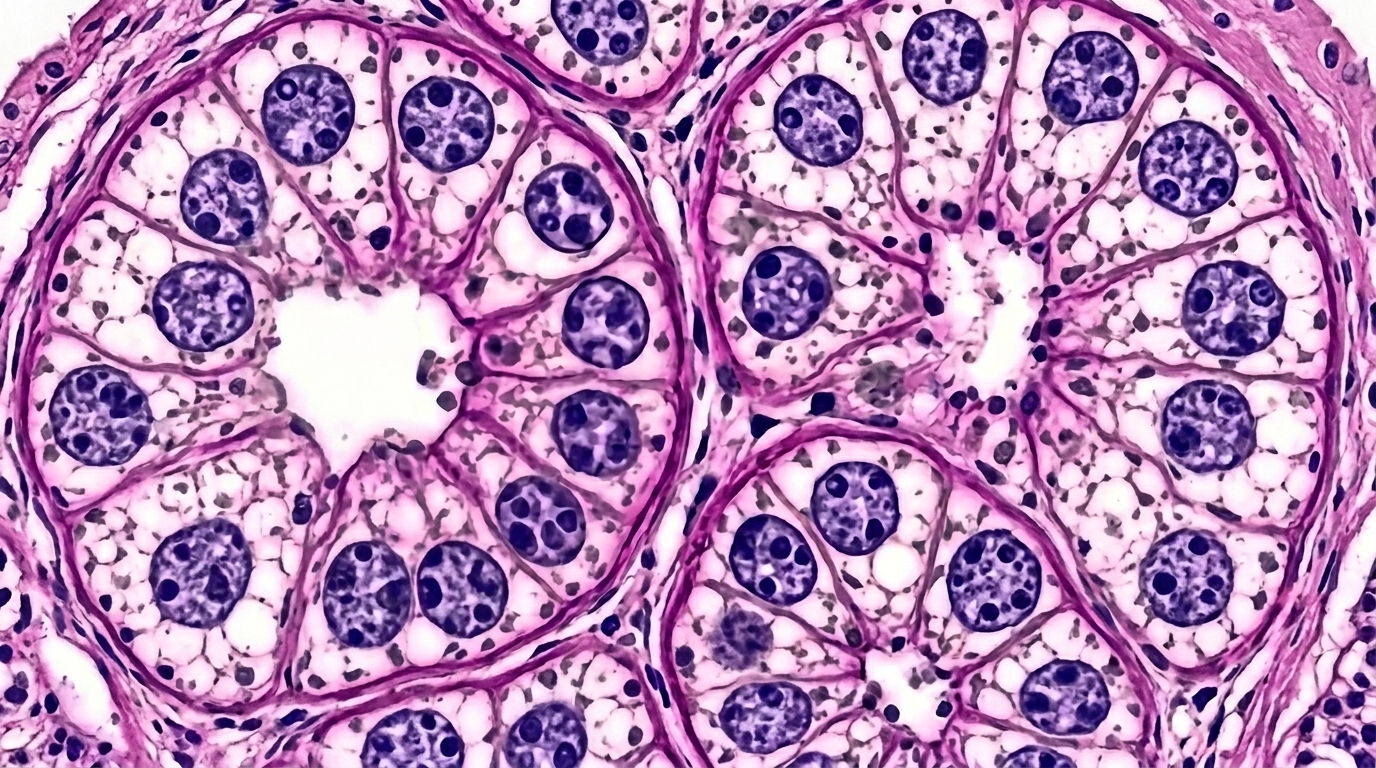
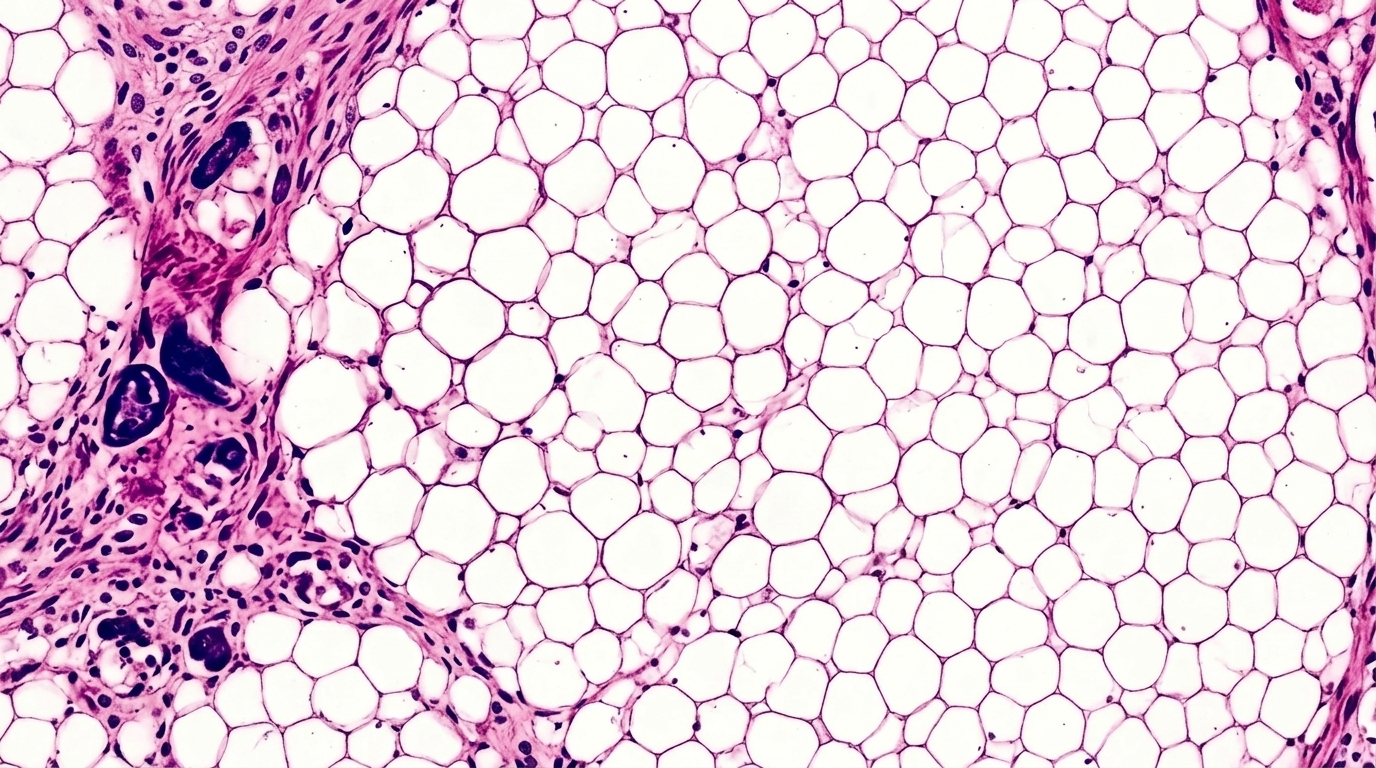
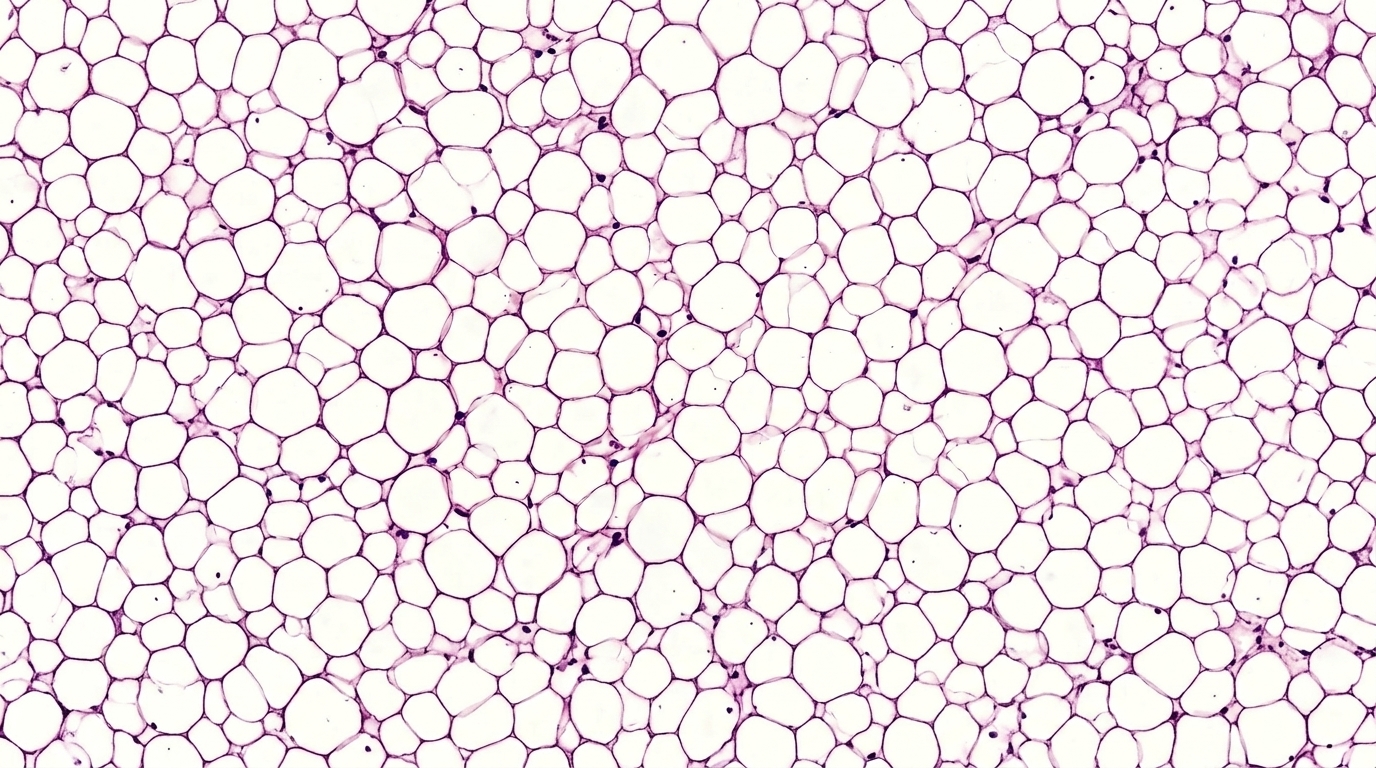
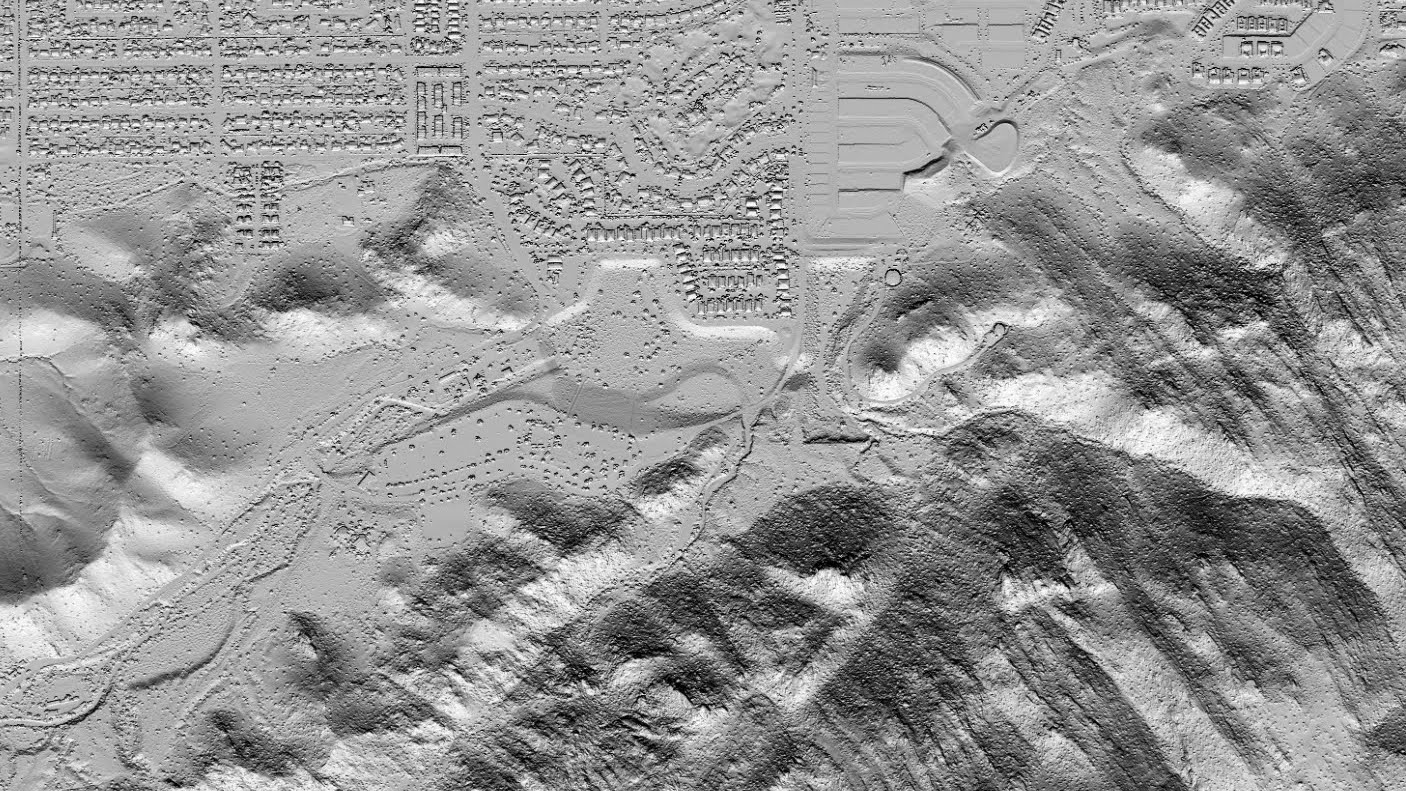
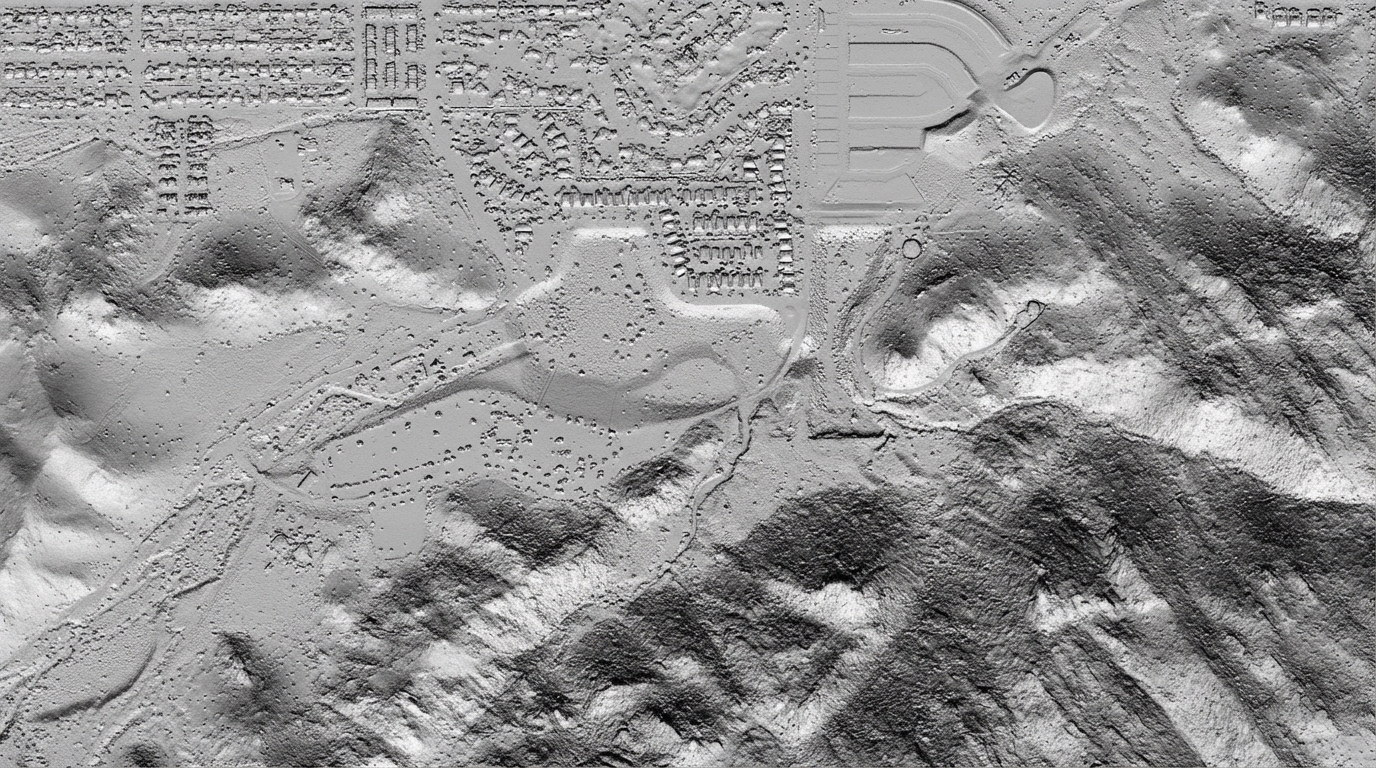
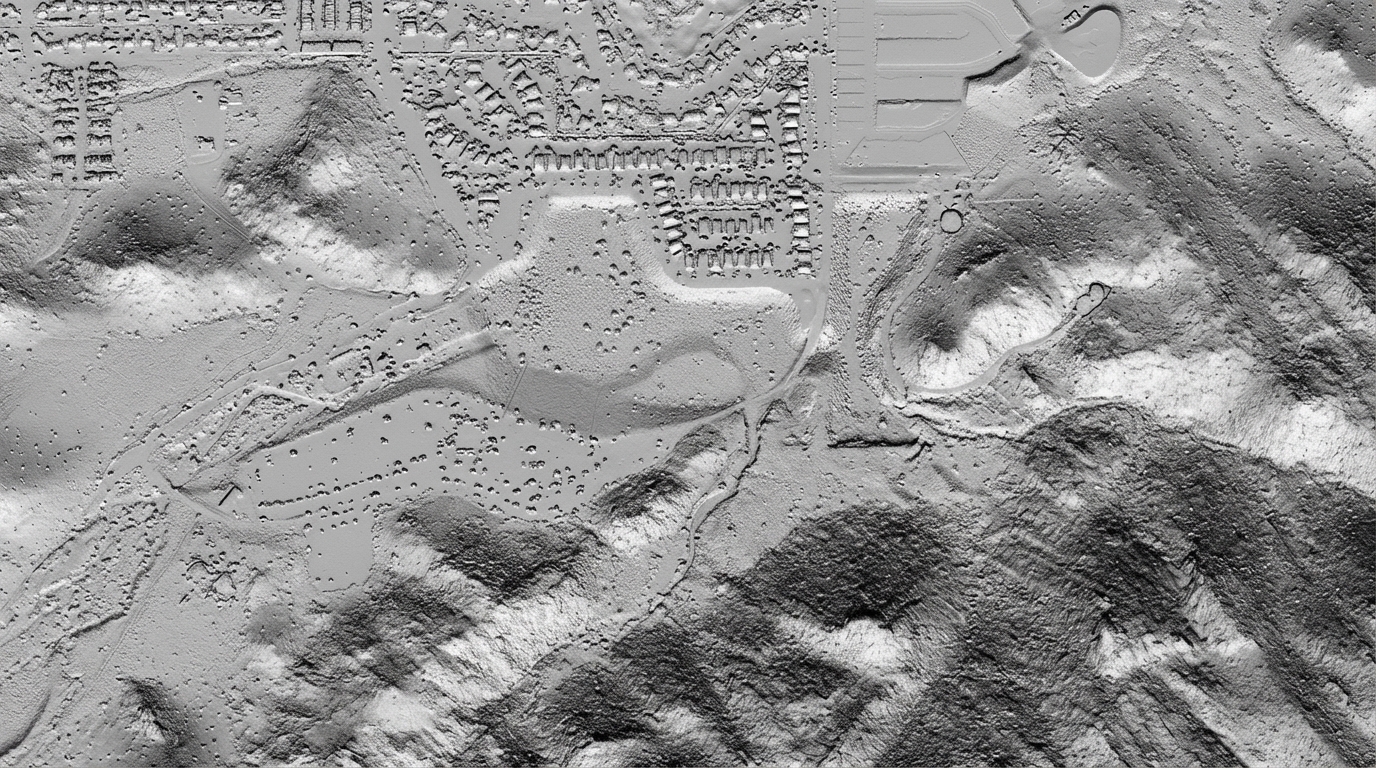
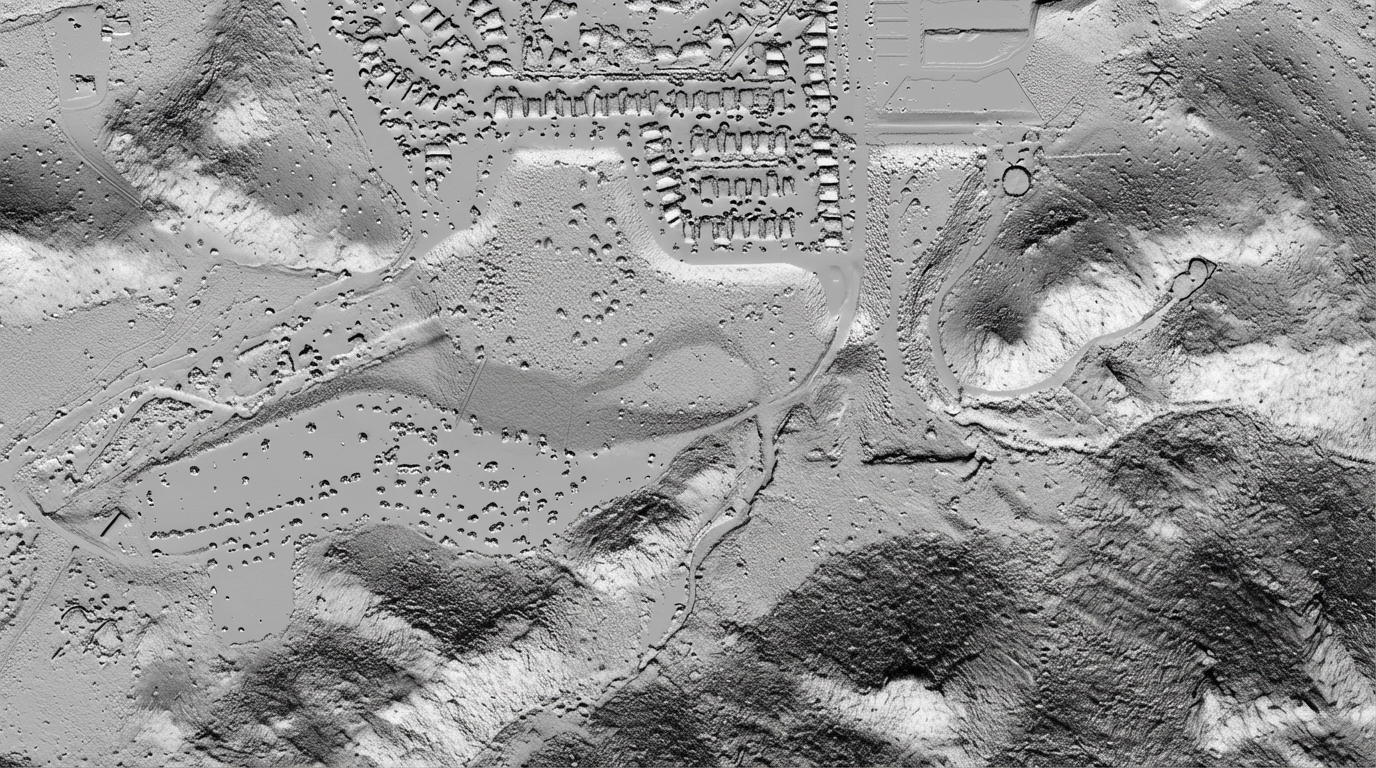
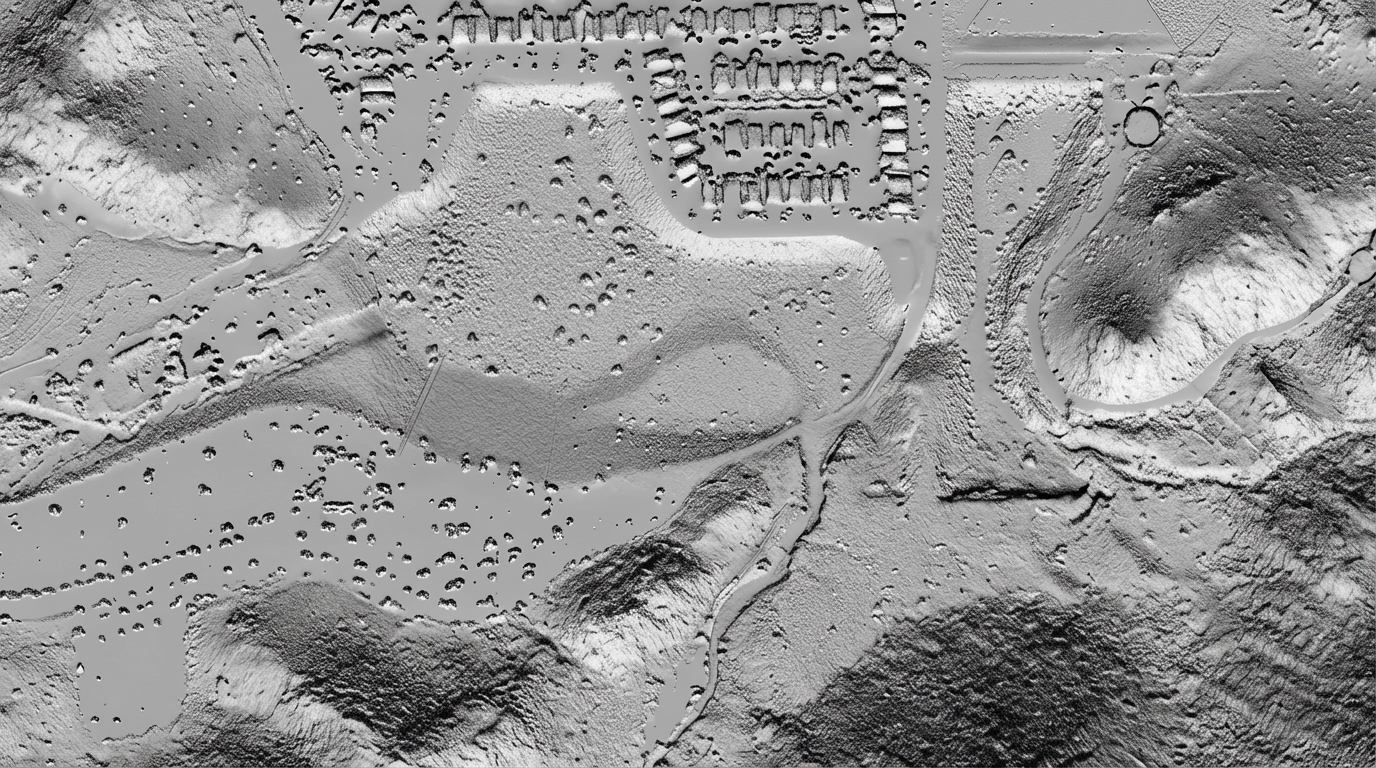
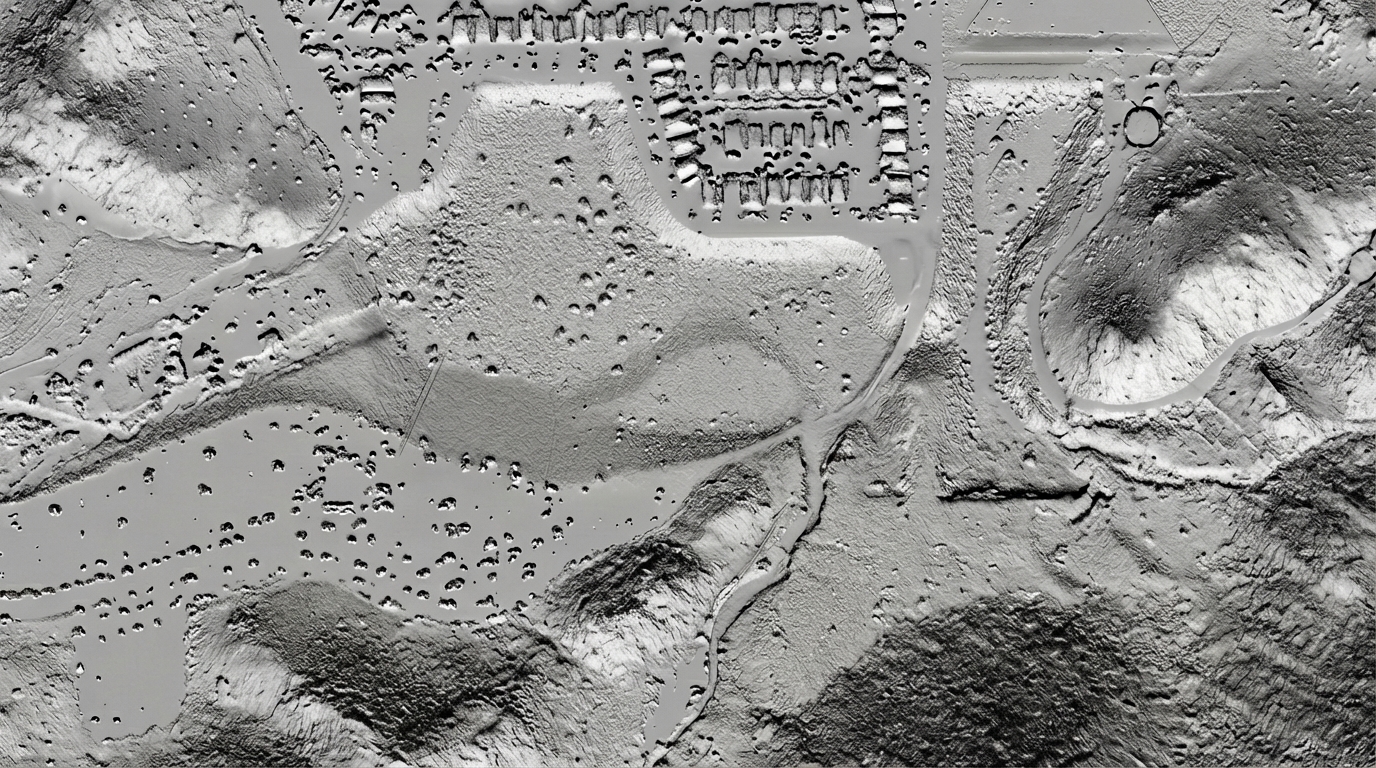
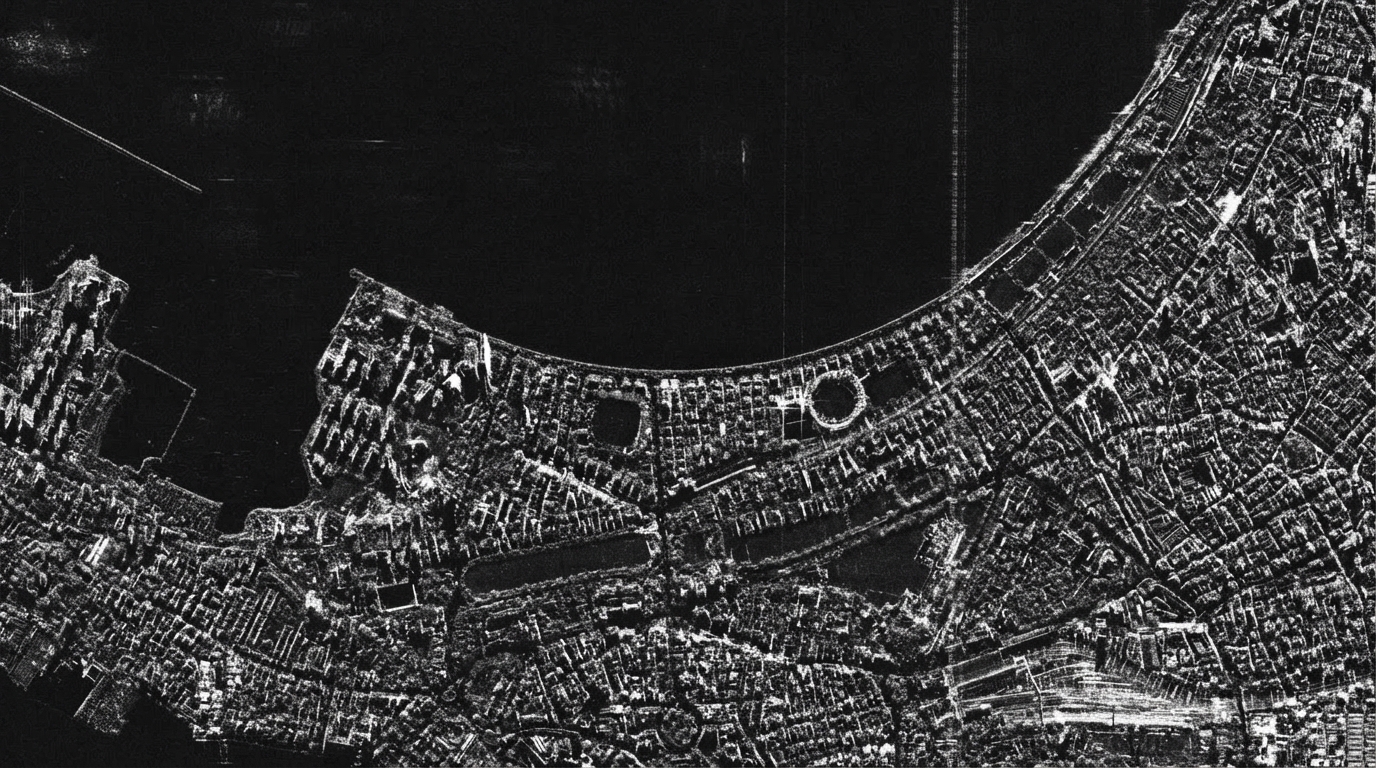
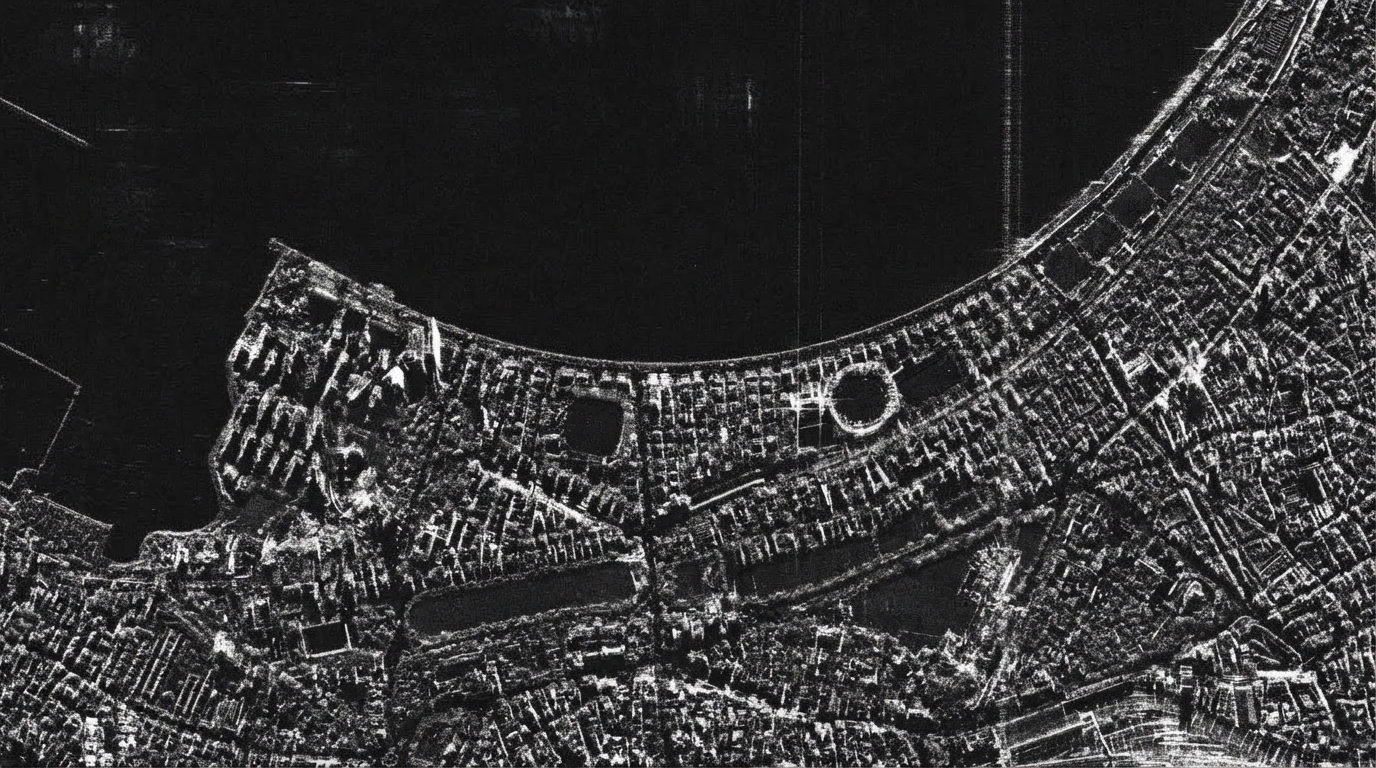
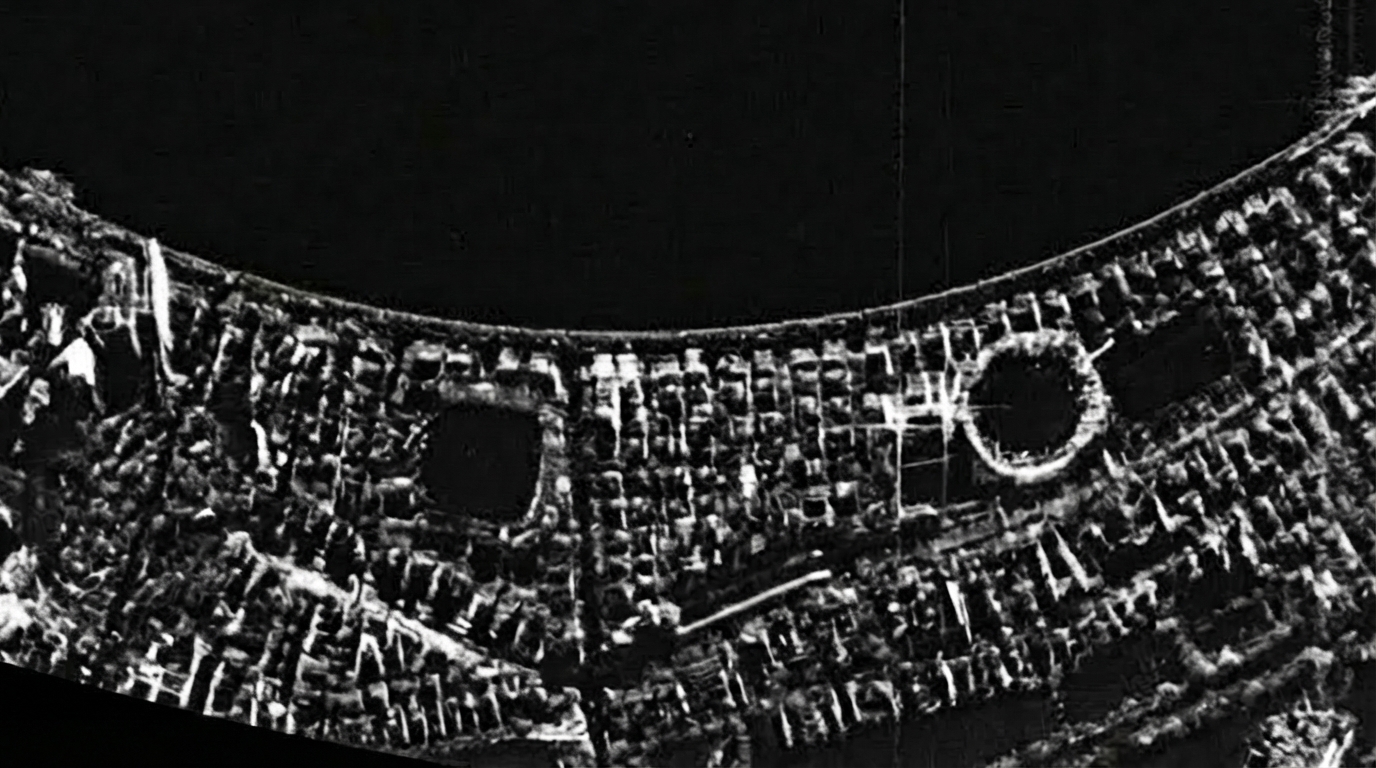
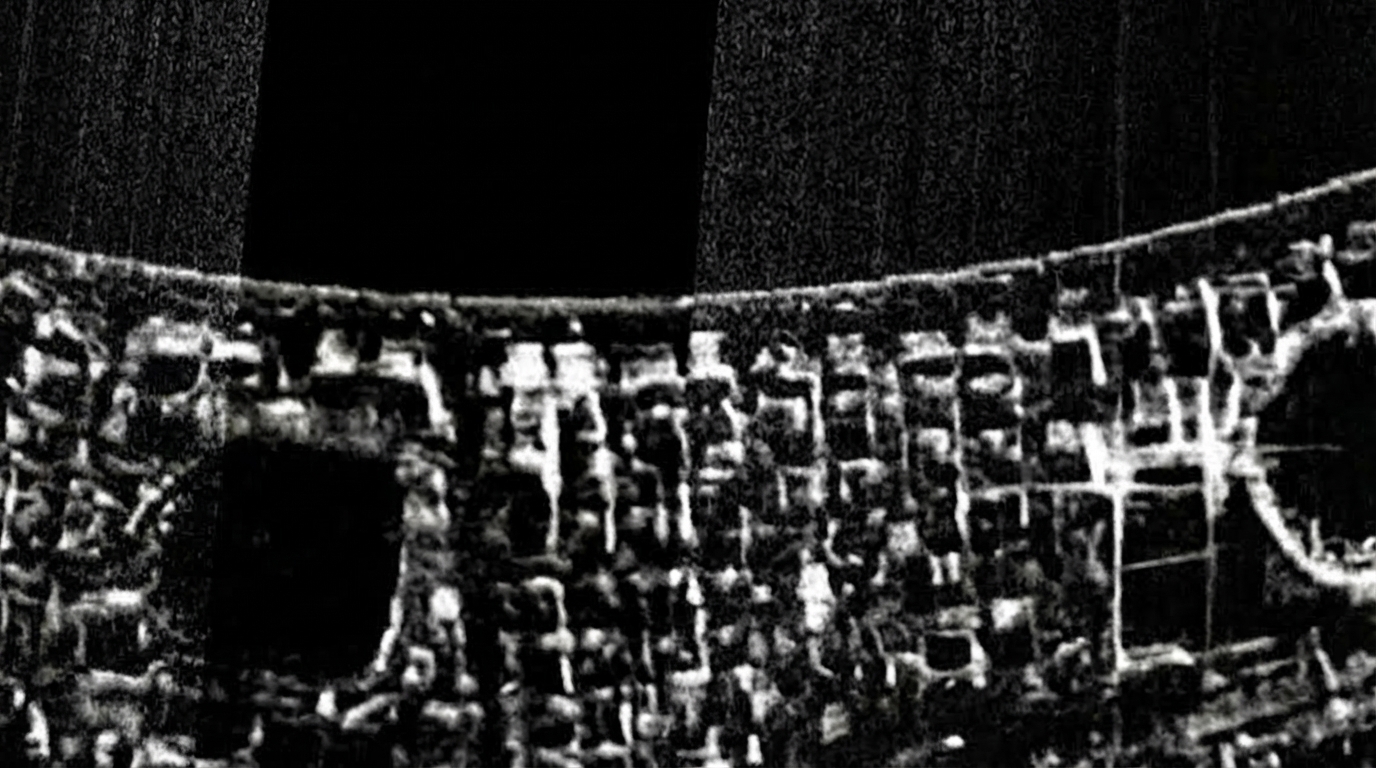
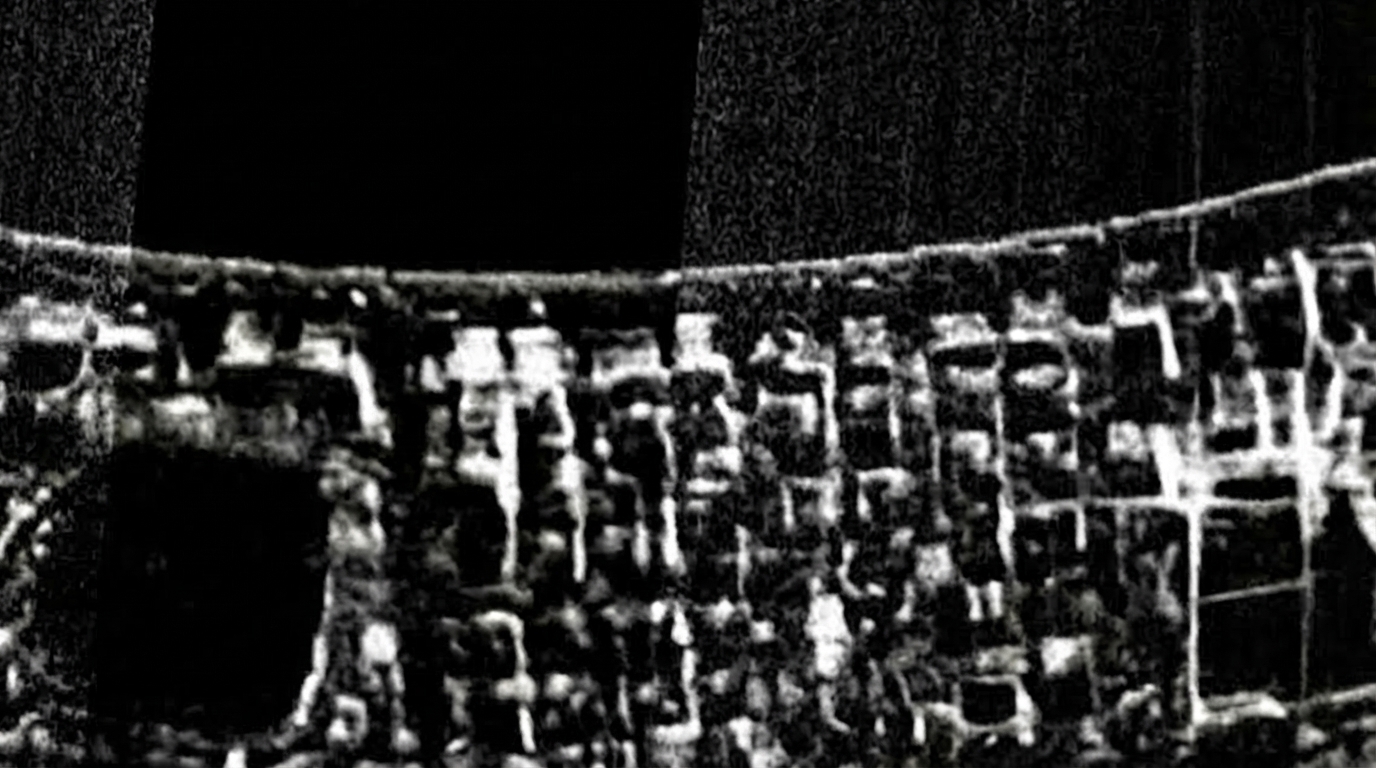
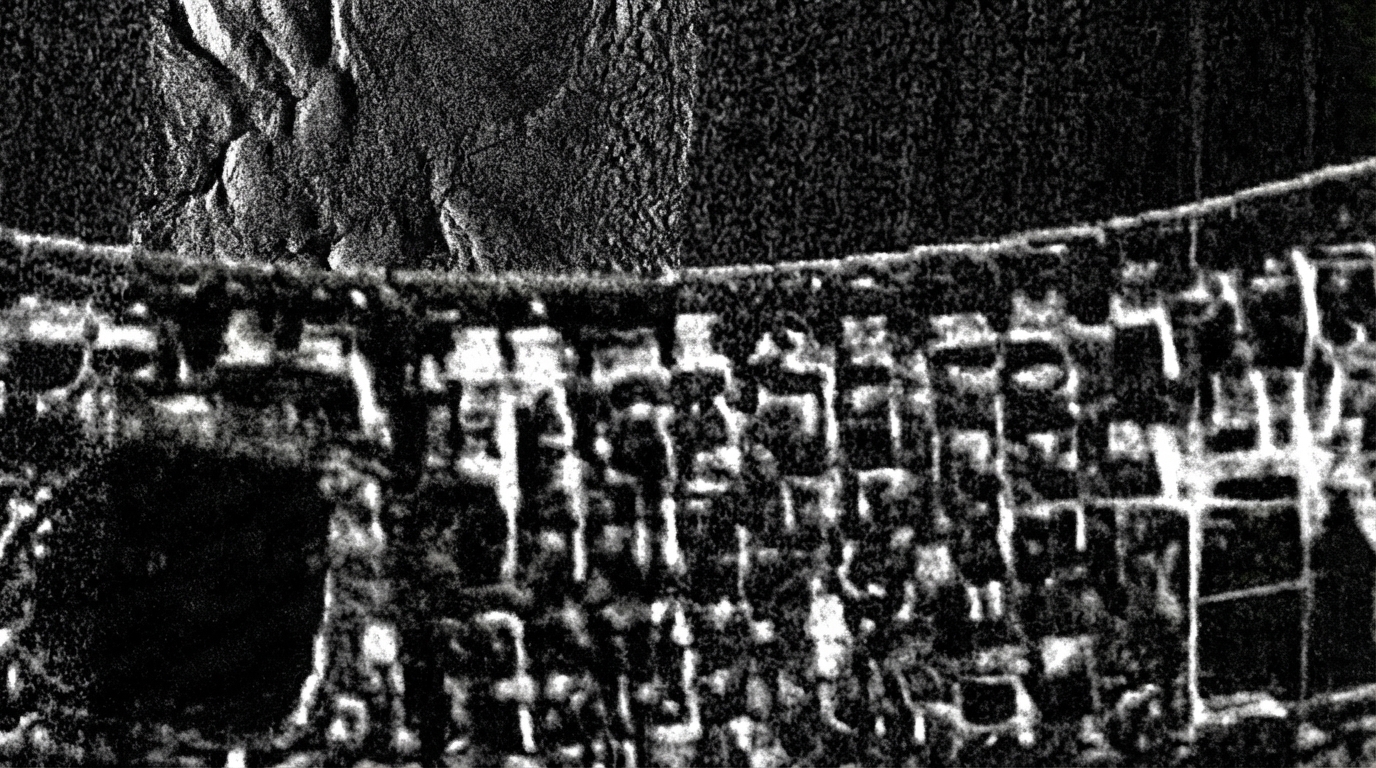
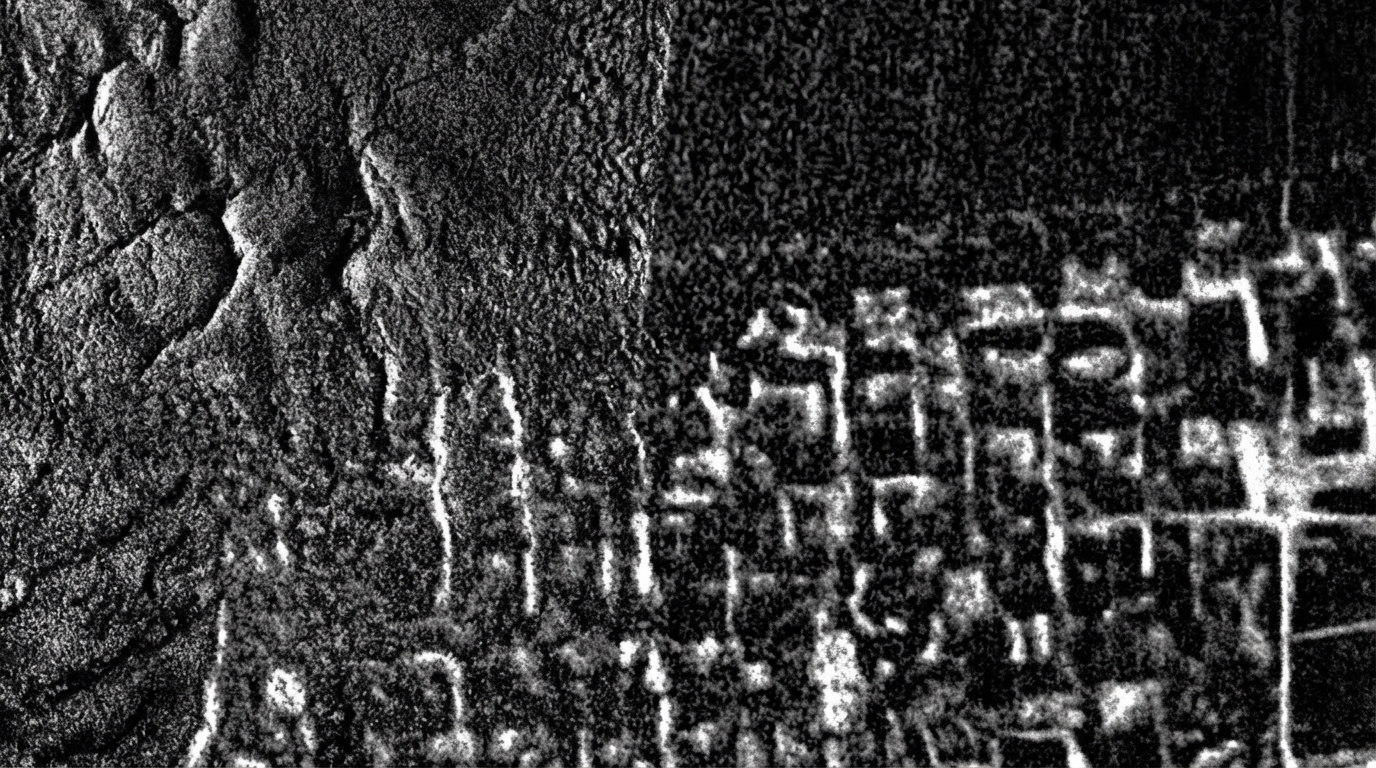
Operational images: thermal drone feeds, histopathological scans, LiDAR point clouds, synthetic aperture radar. Images made by machines for machines, never intended for human eyes.
These images were never made to be seen. They exist to be processed, classified, acted upon. They belong to systems, not viewers.
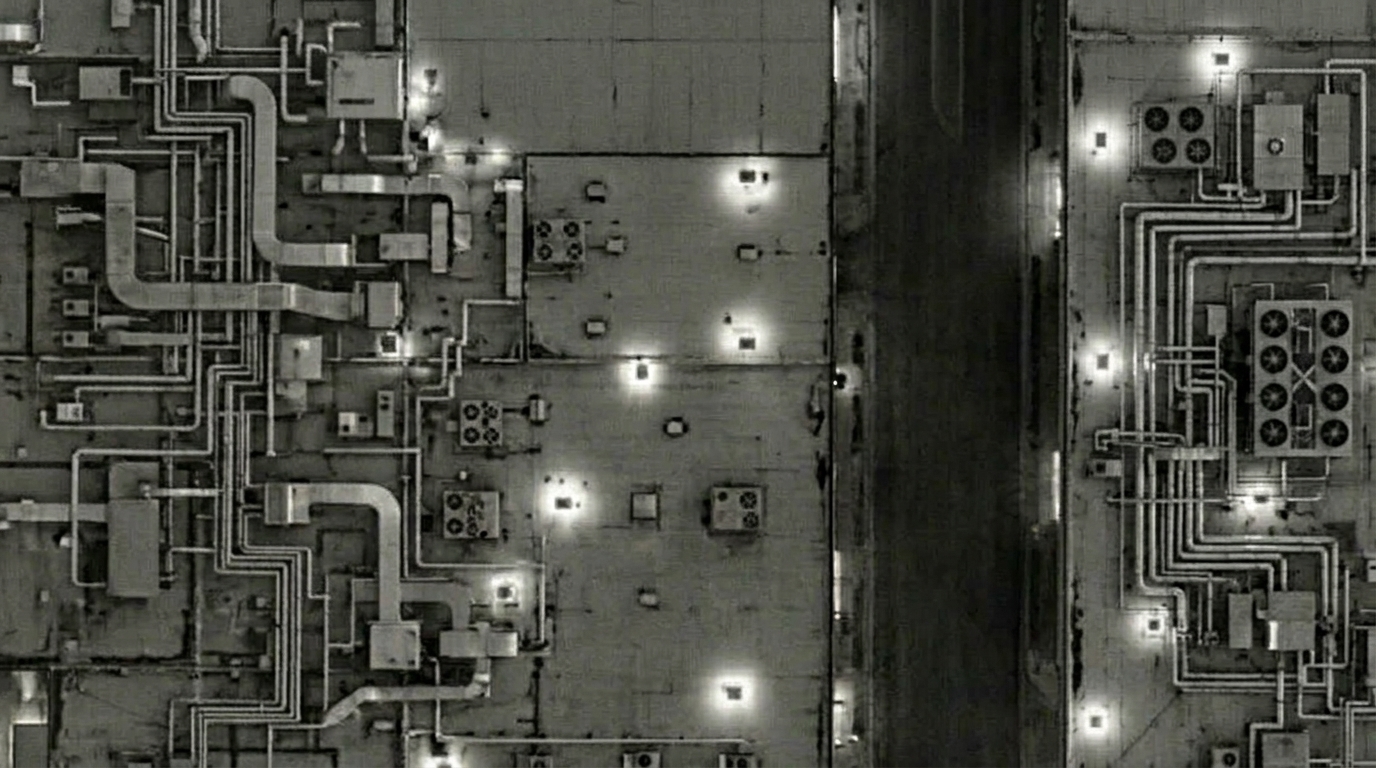
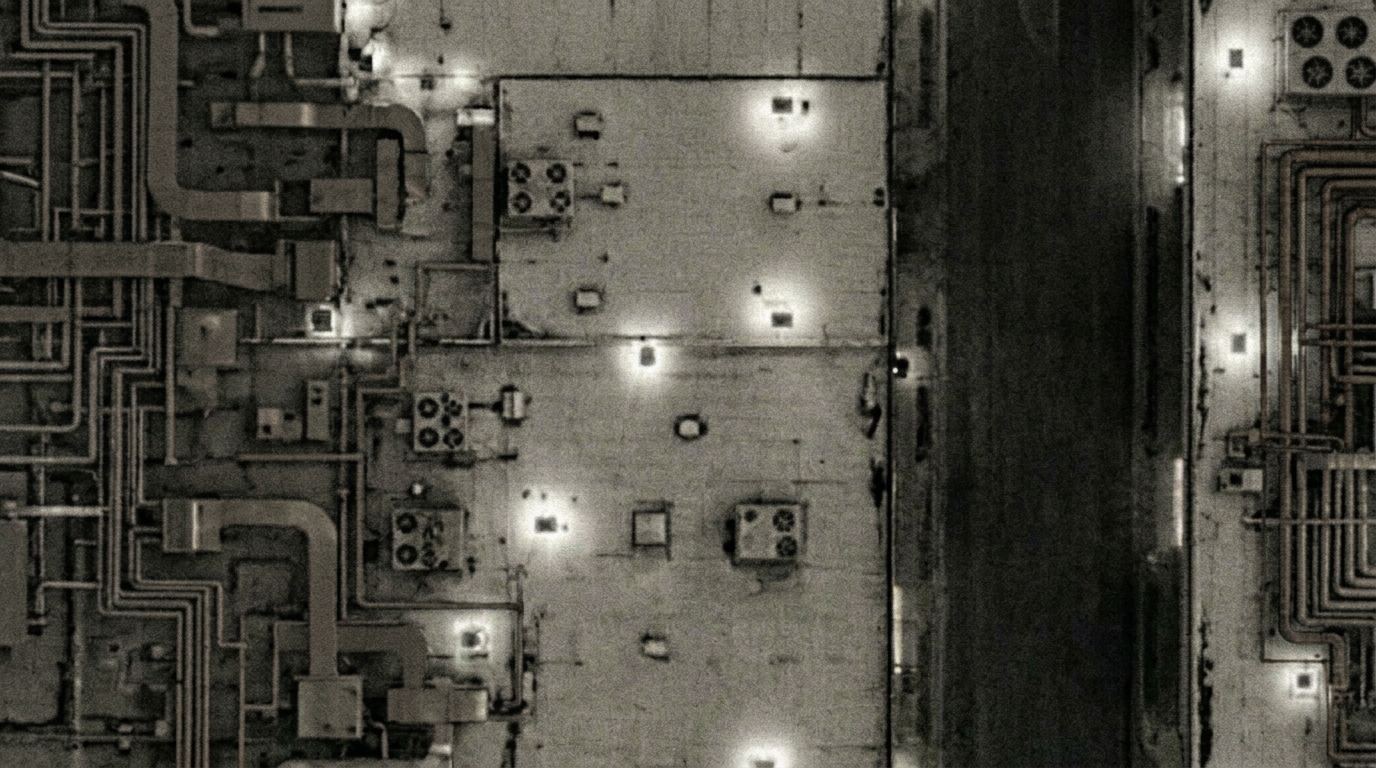
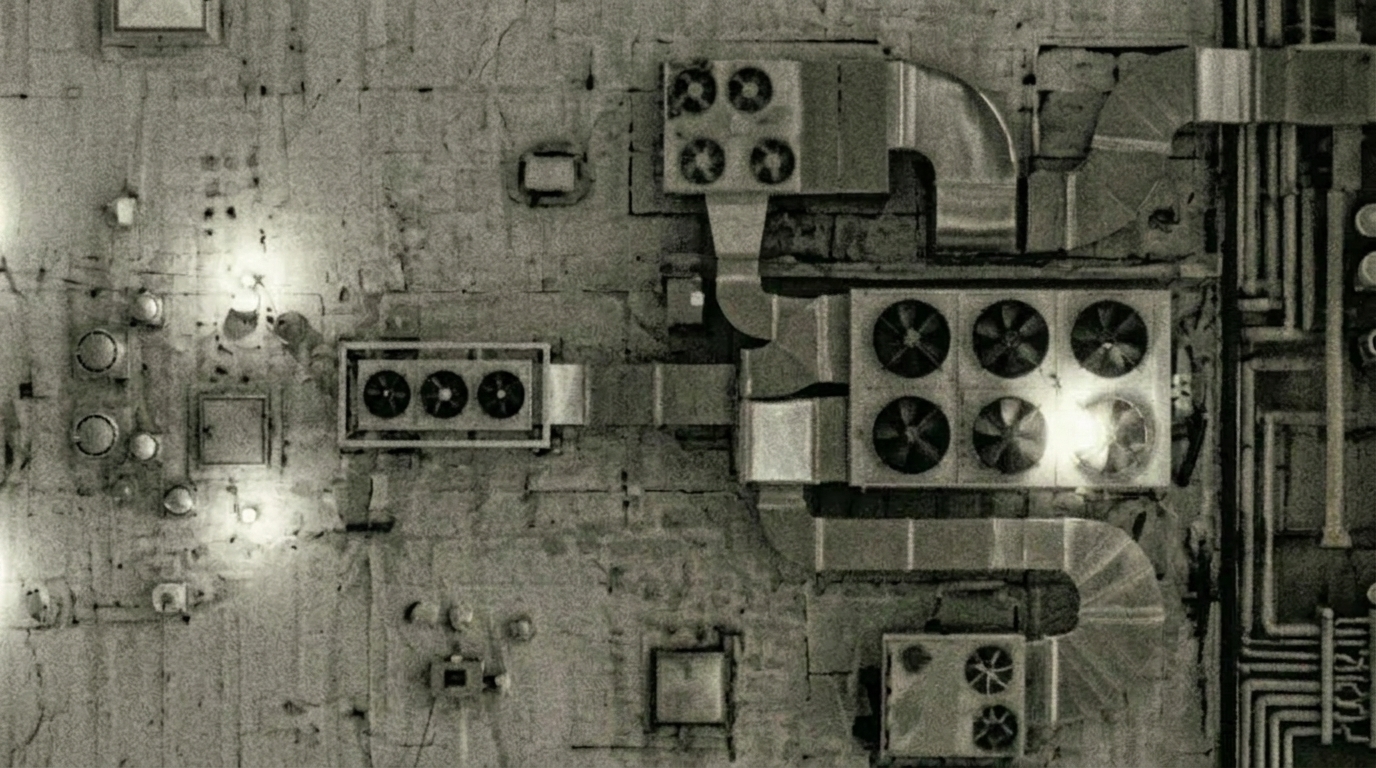
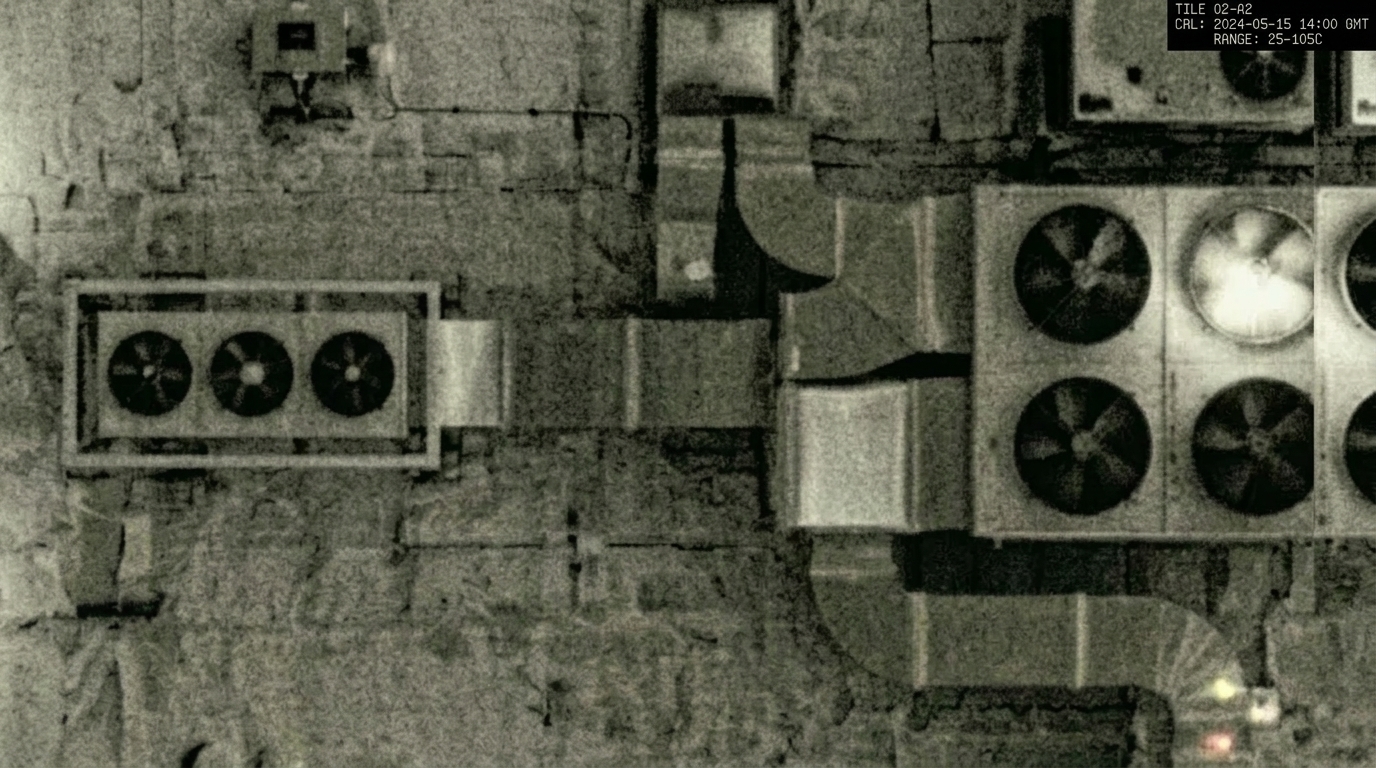
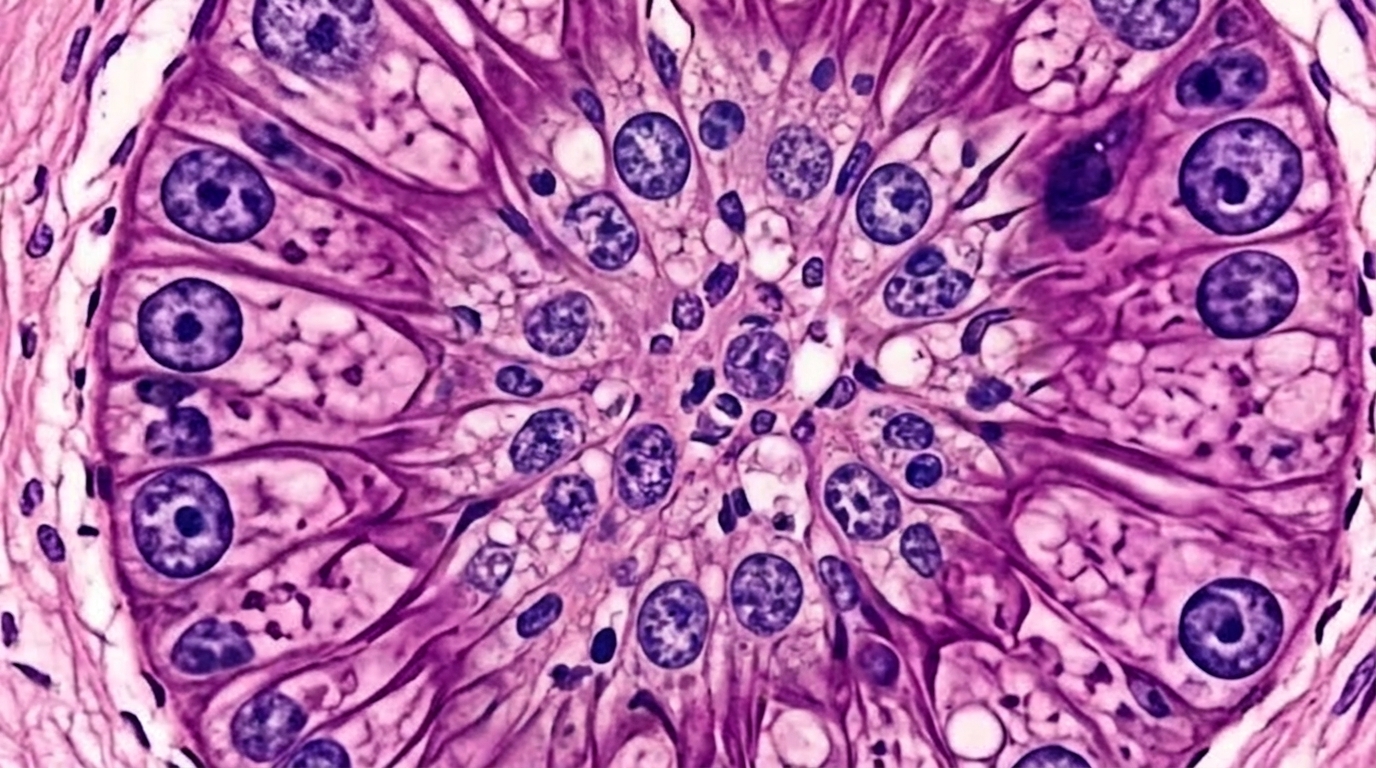
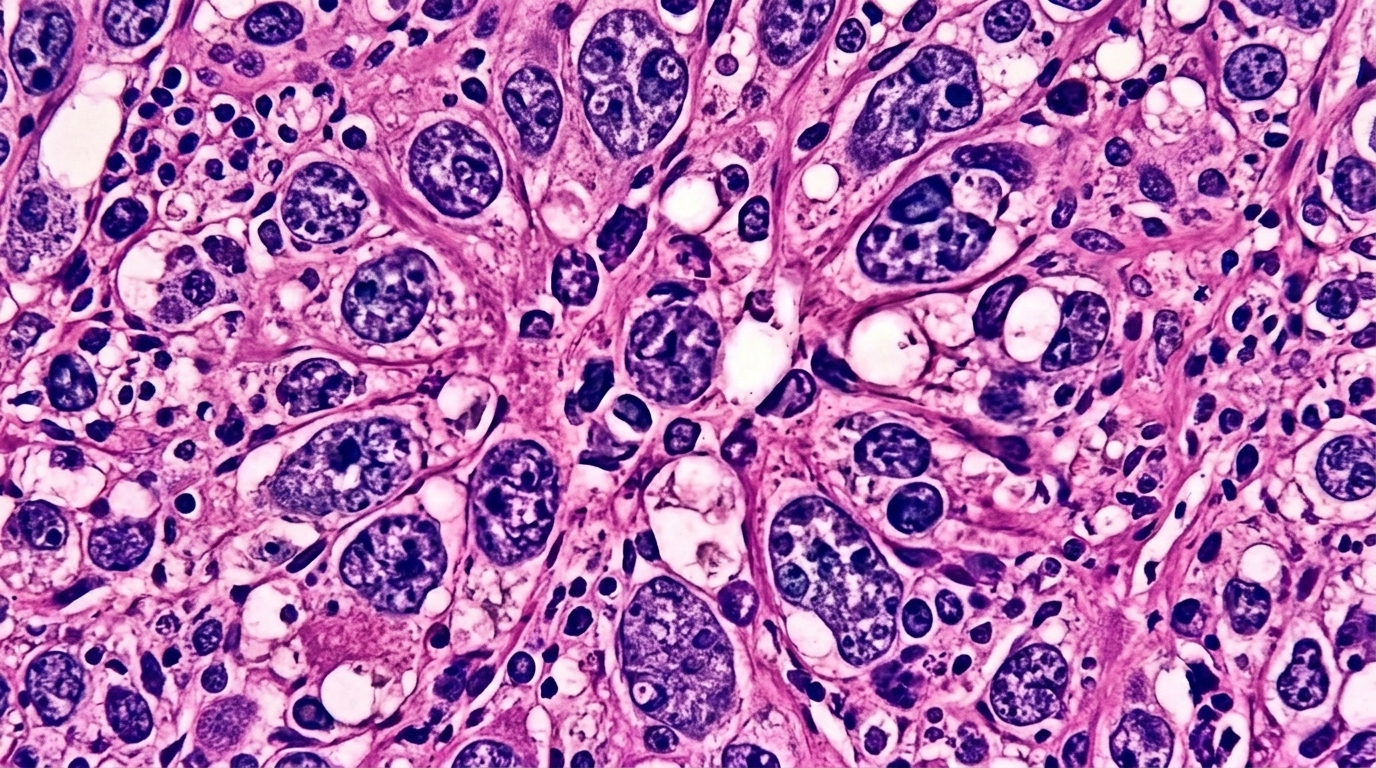
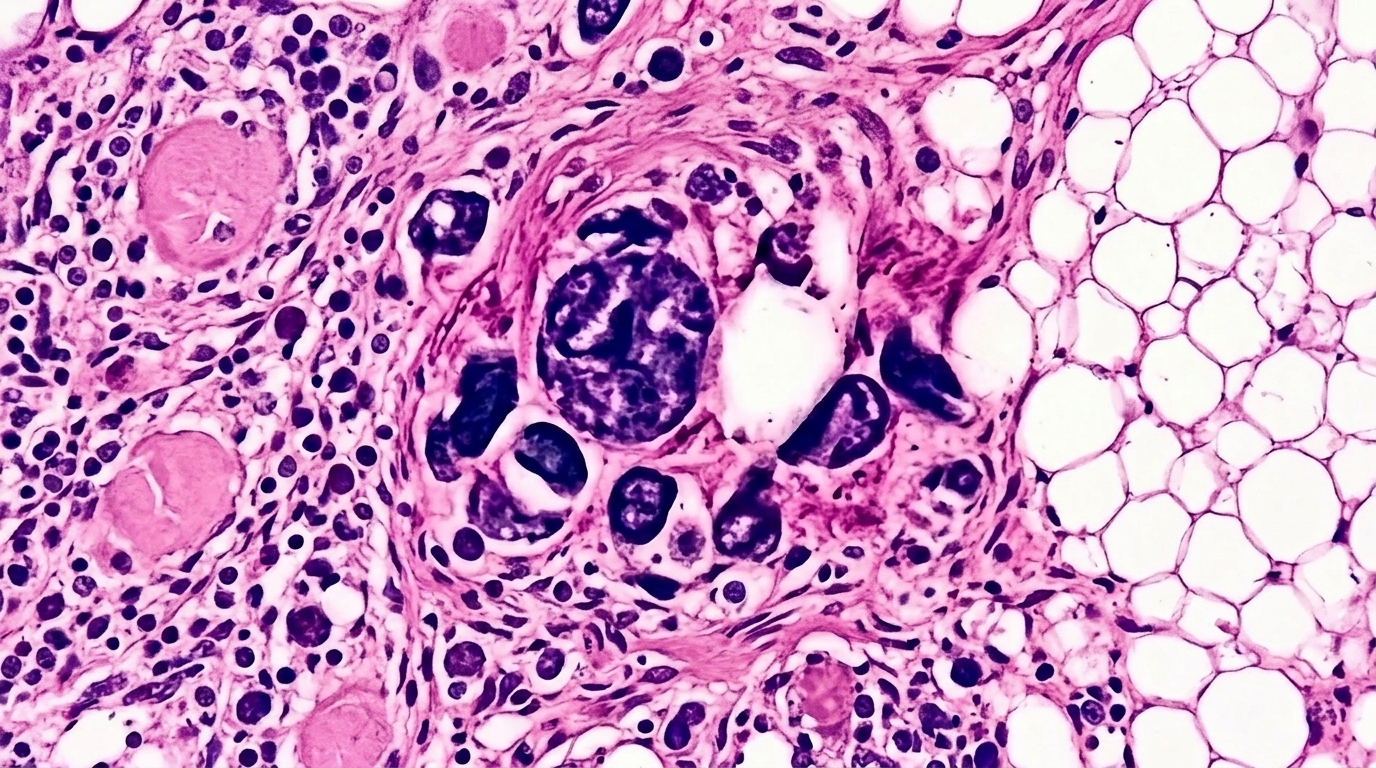
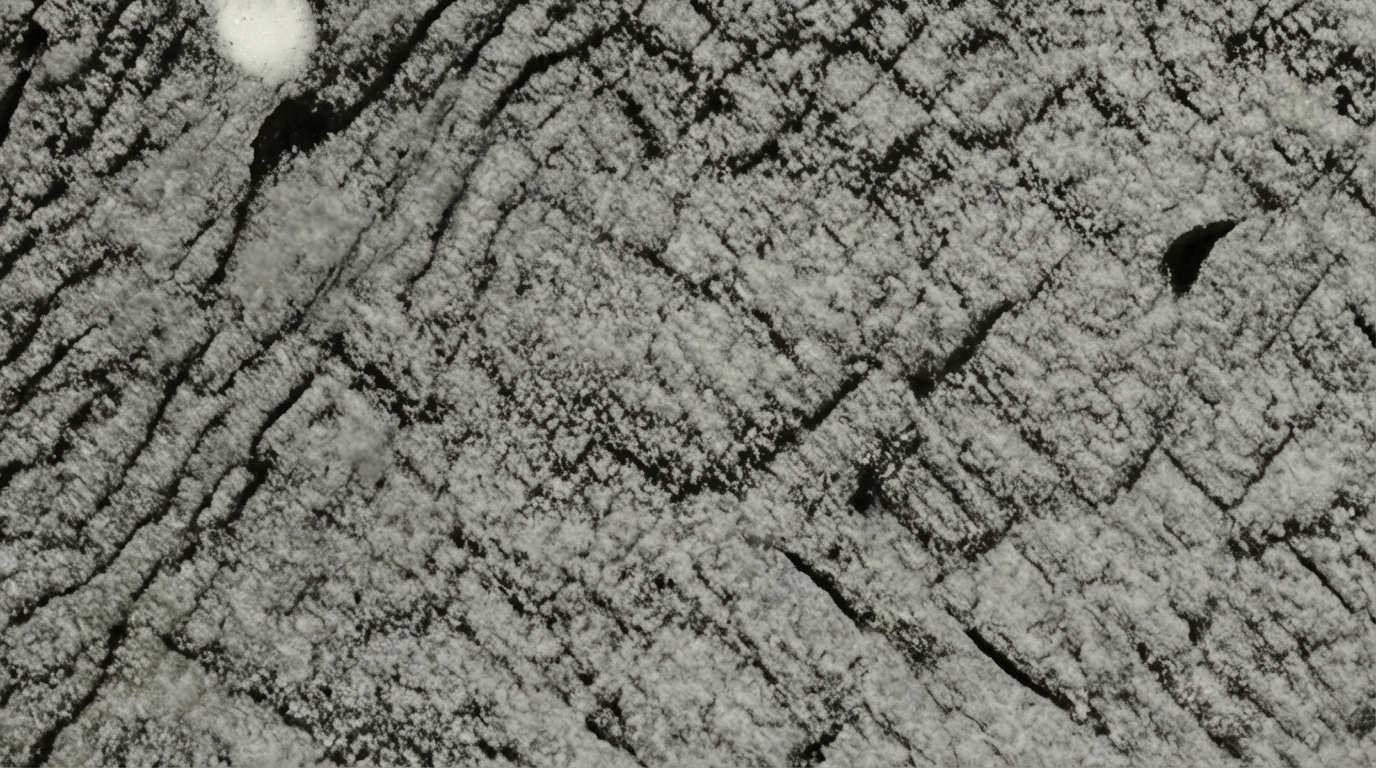
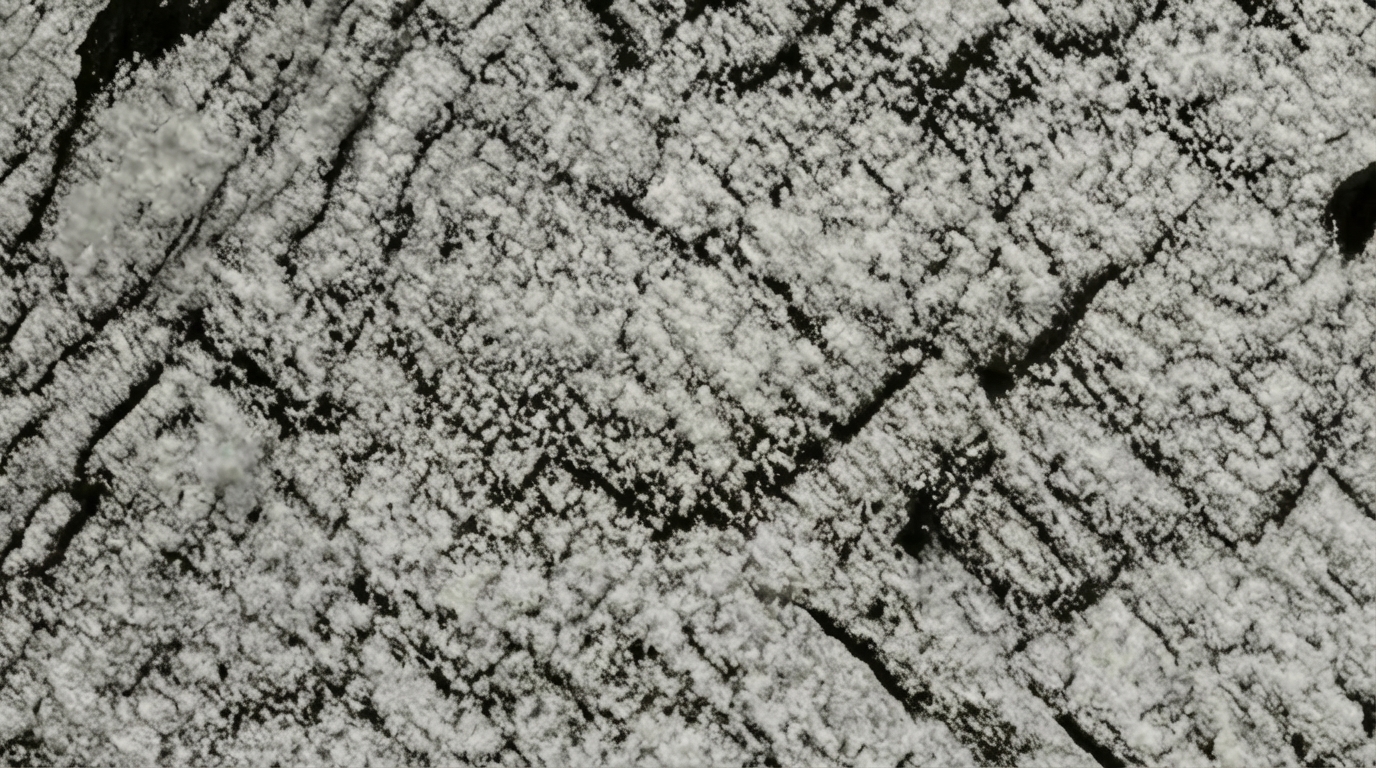
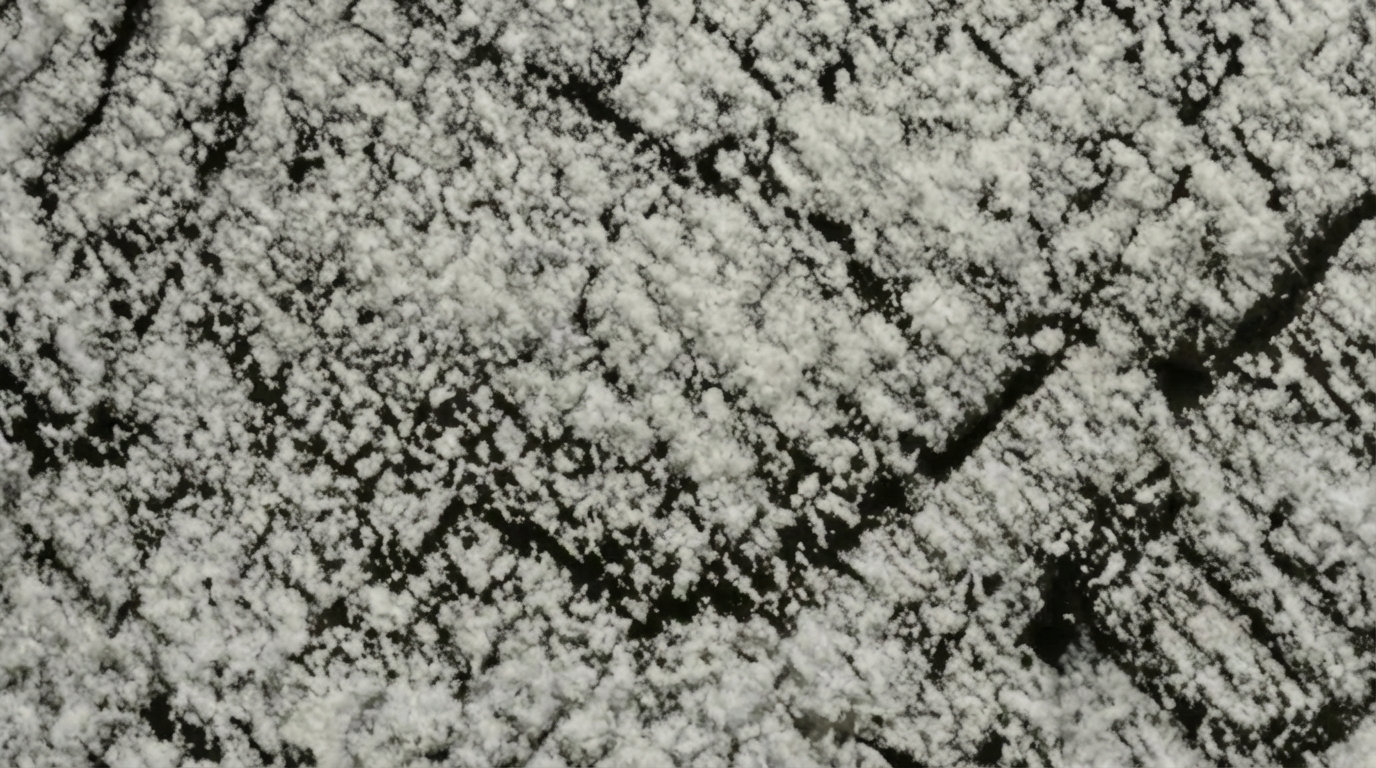
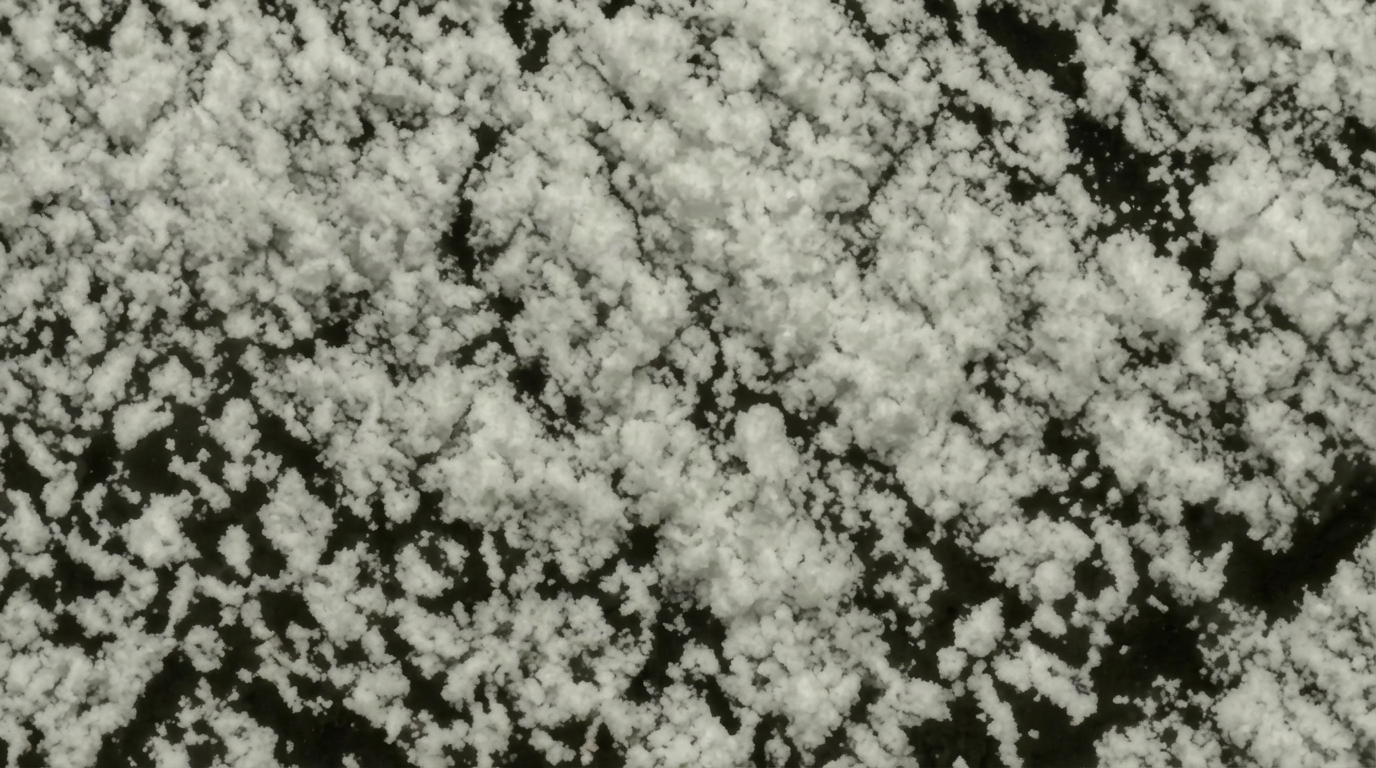
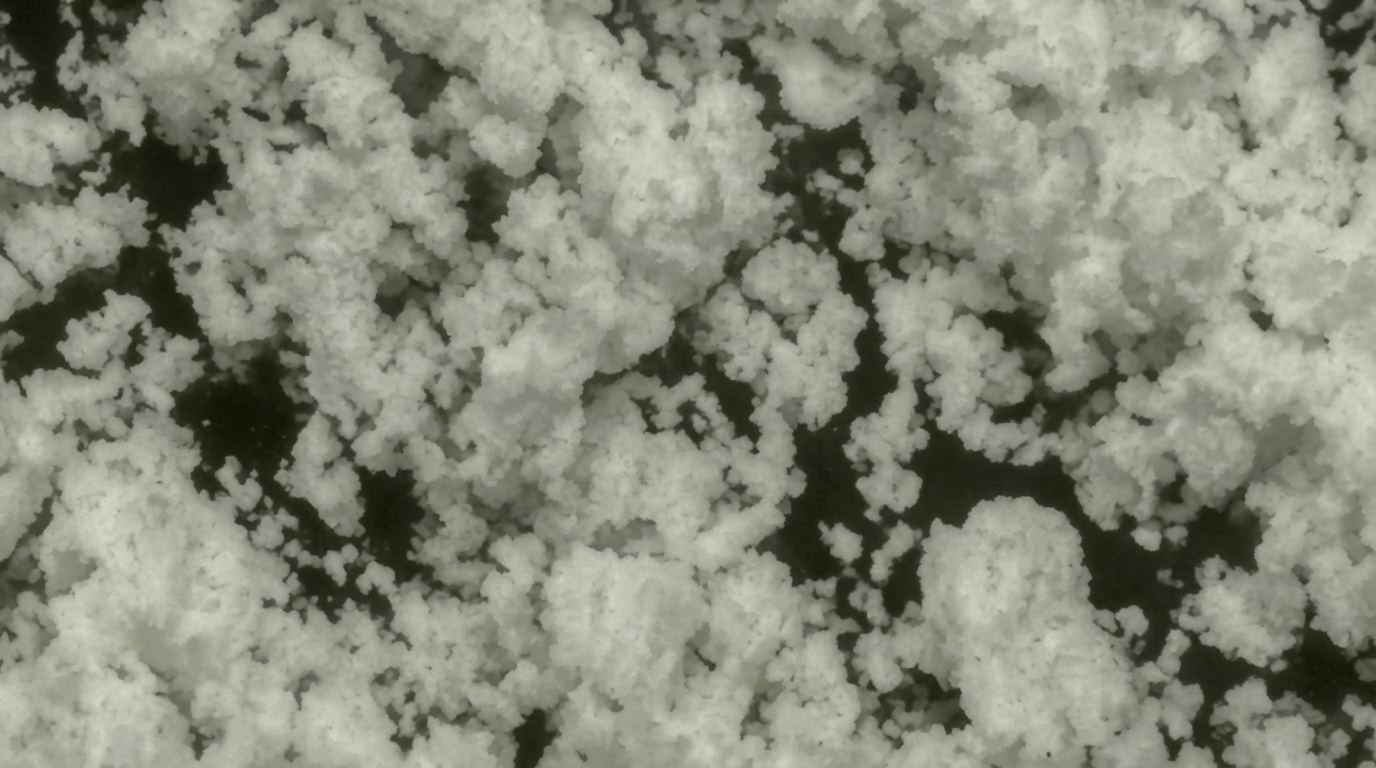
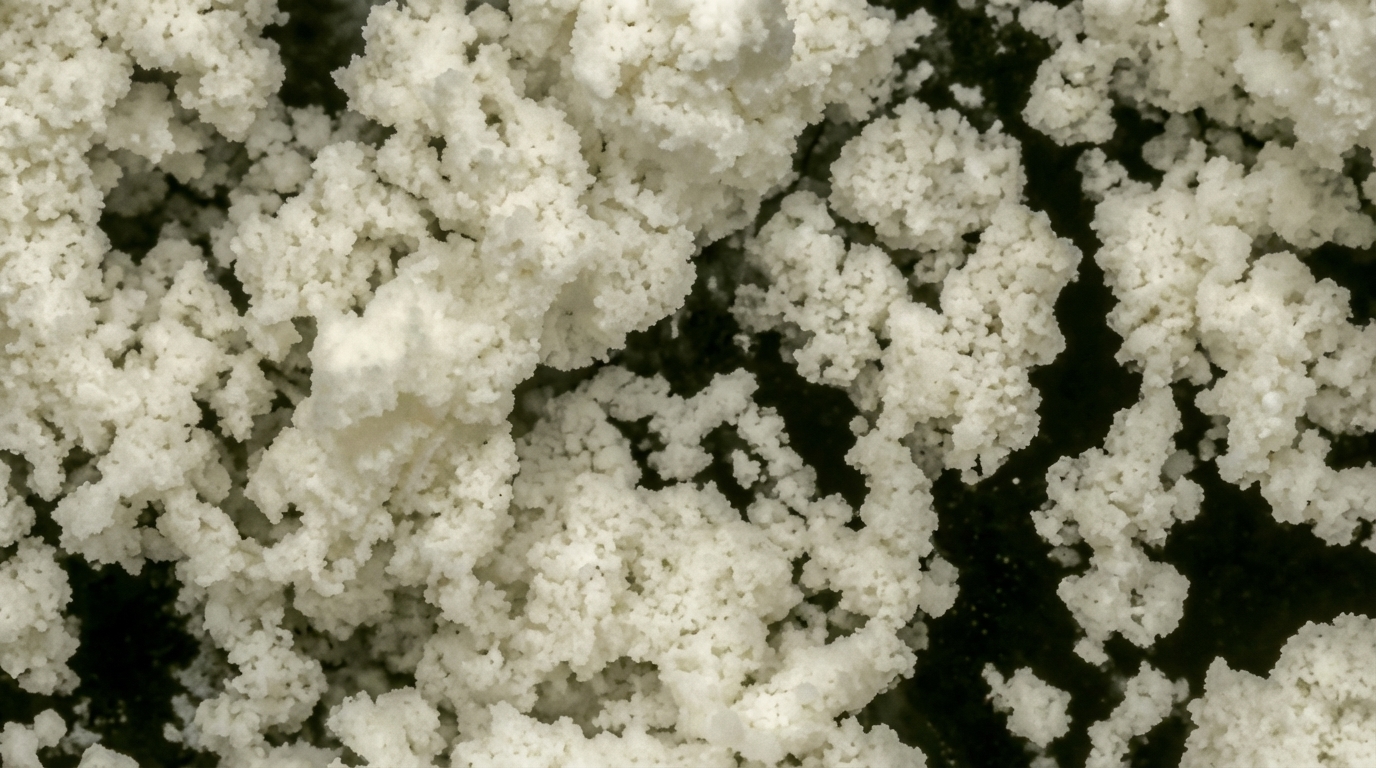
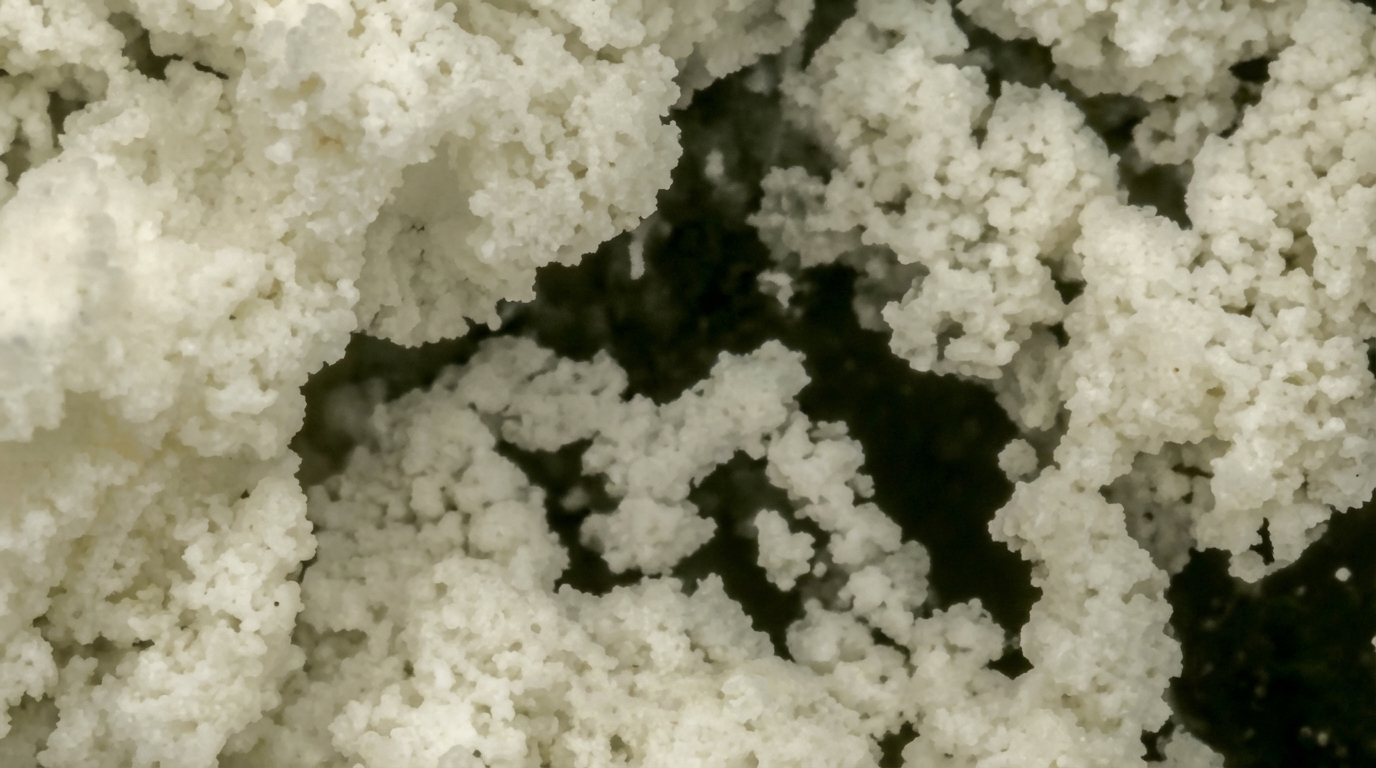
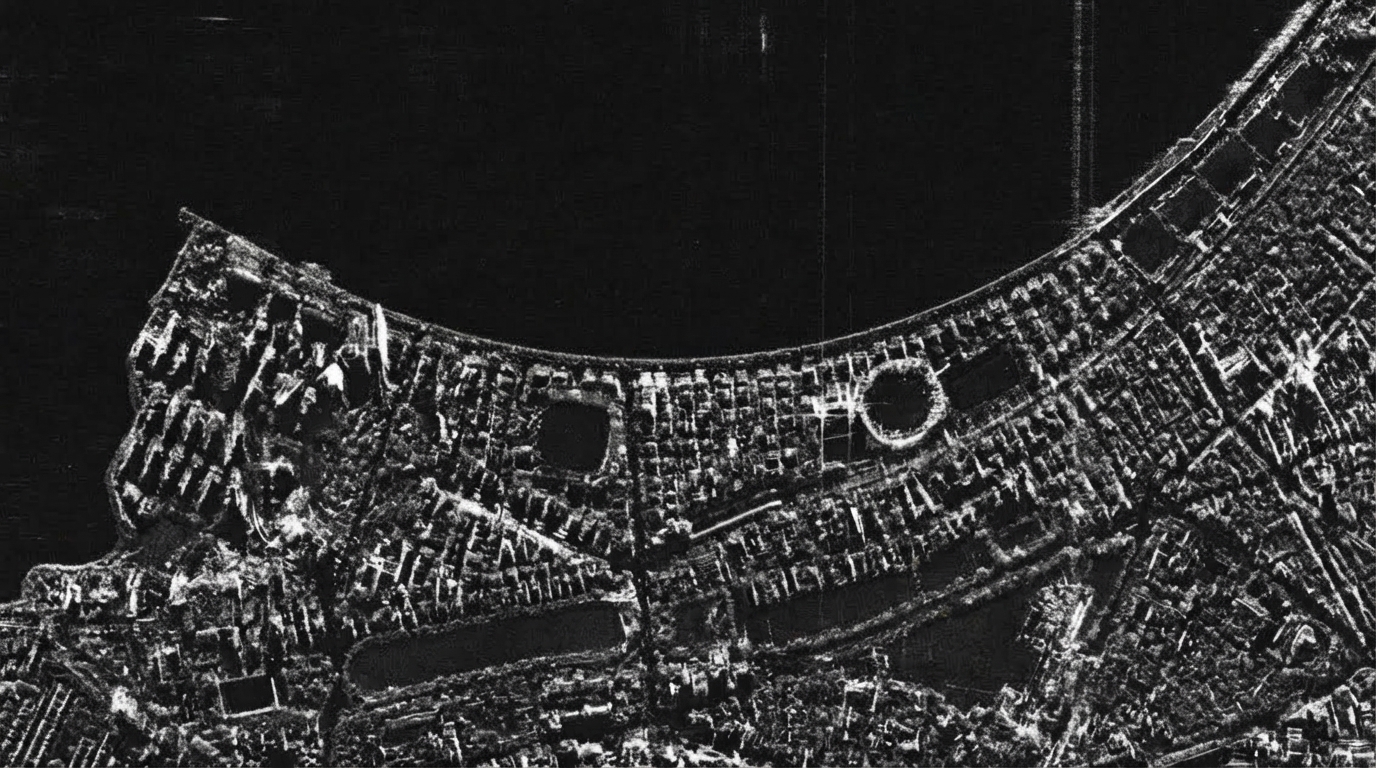
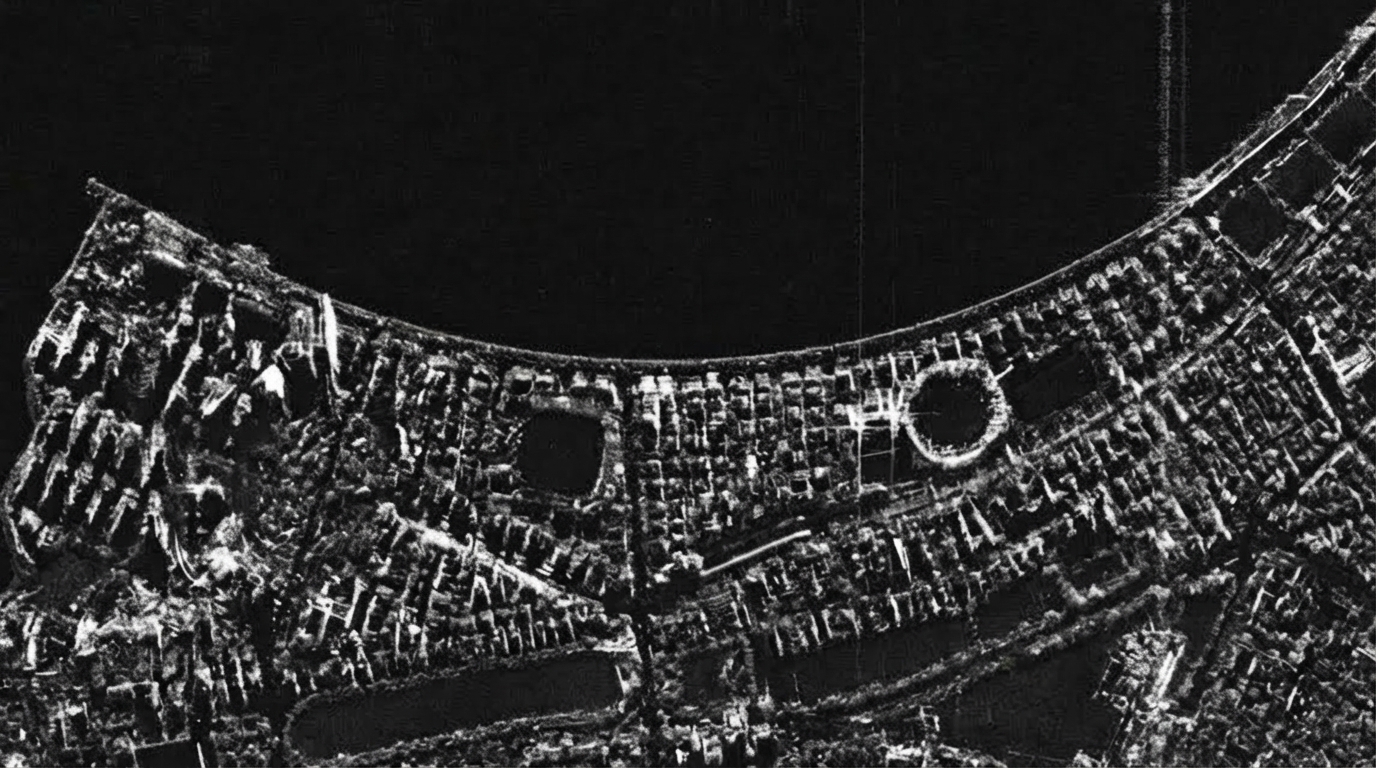
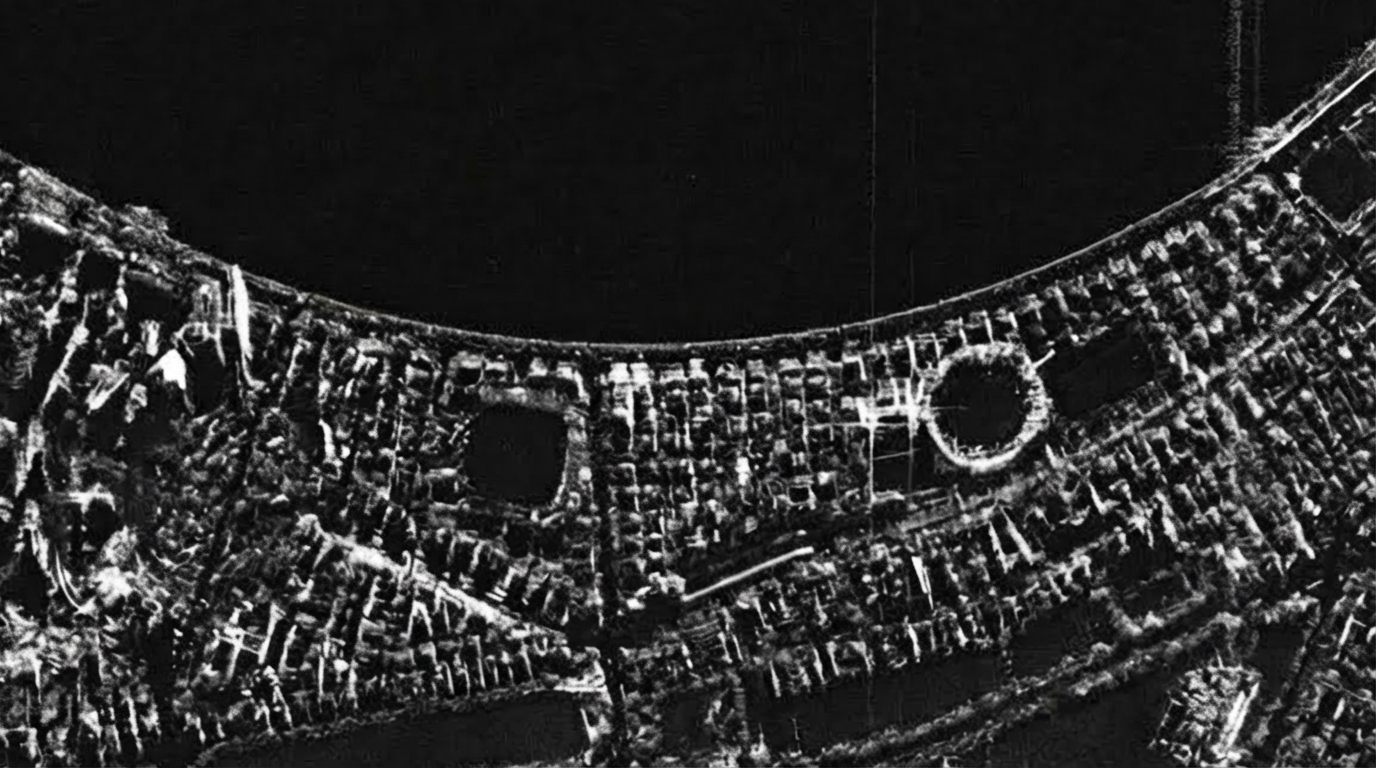
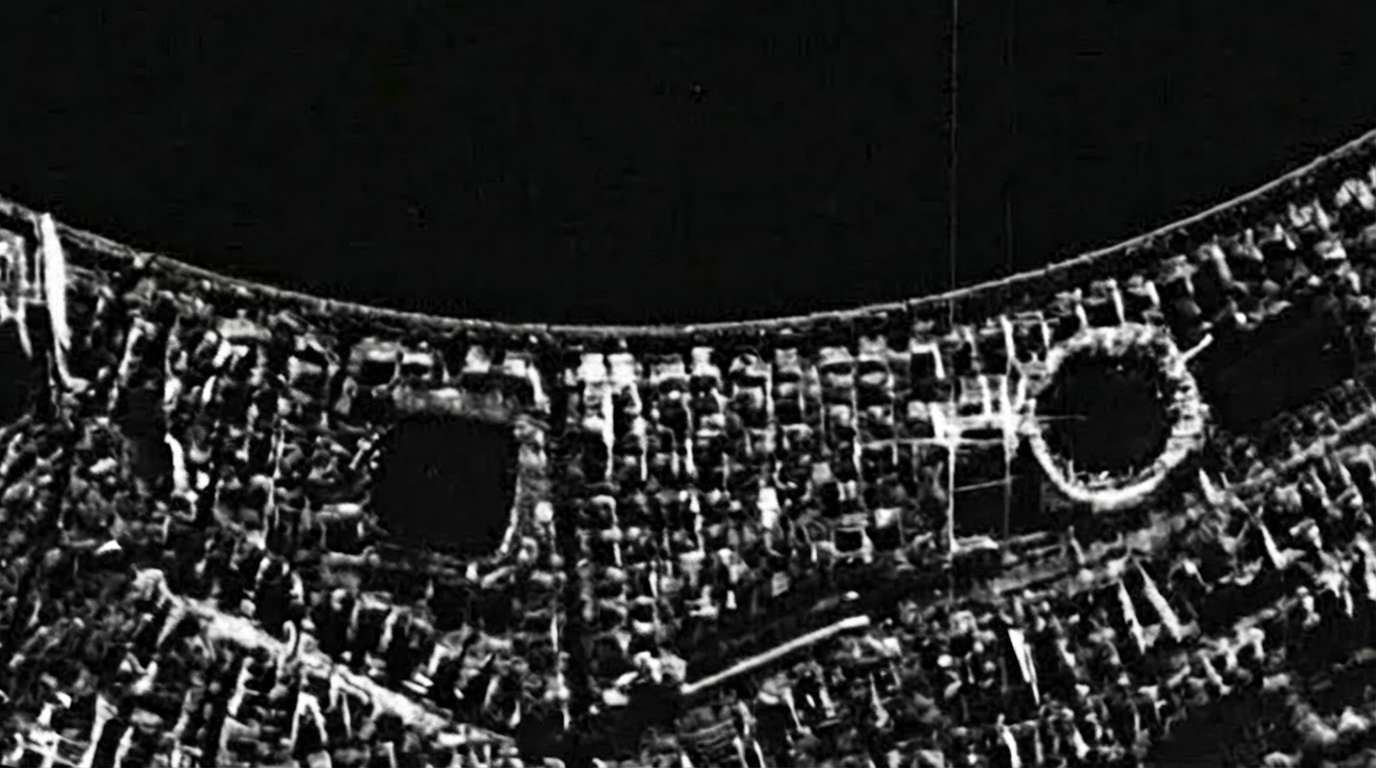
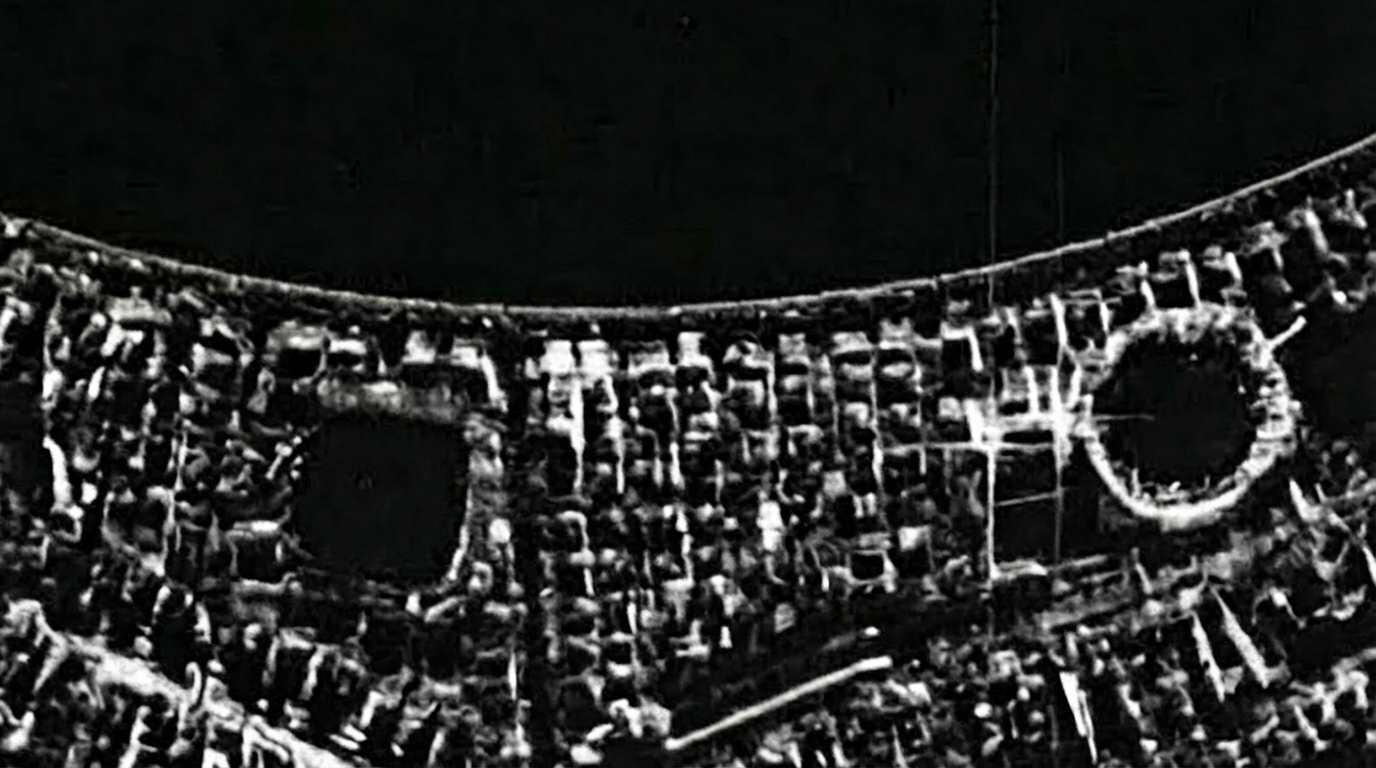
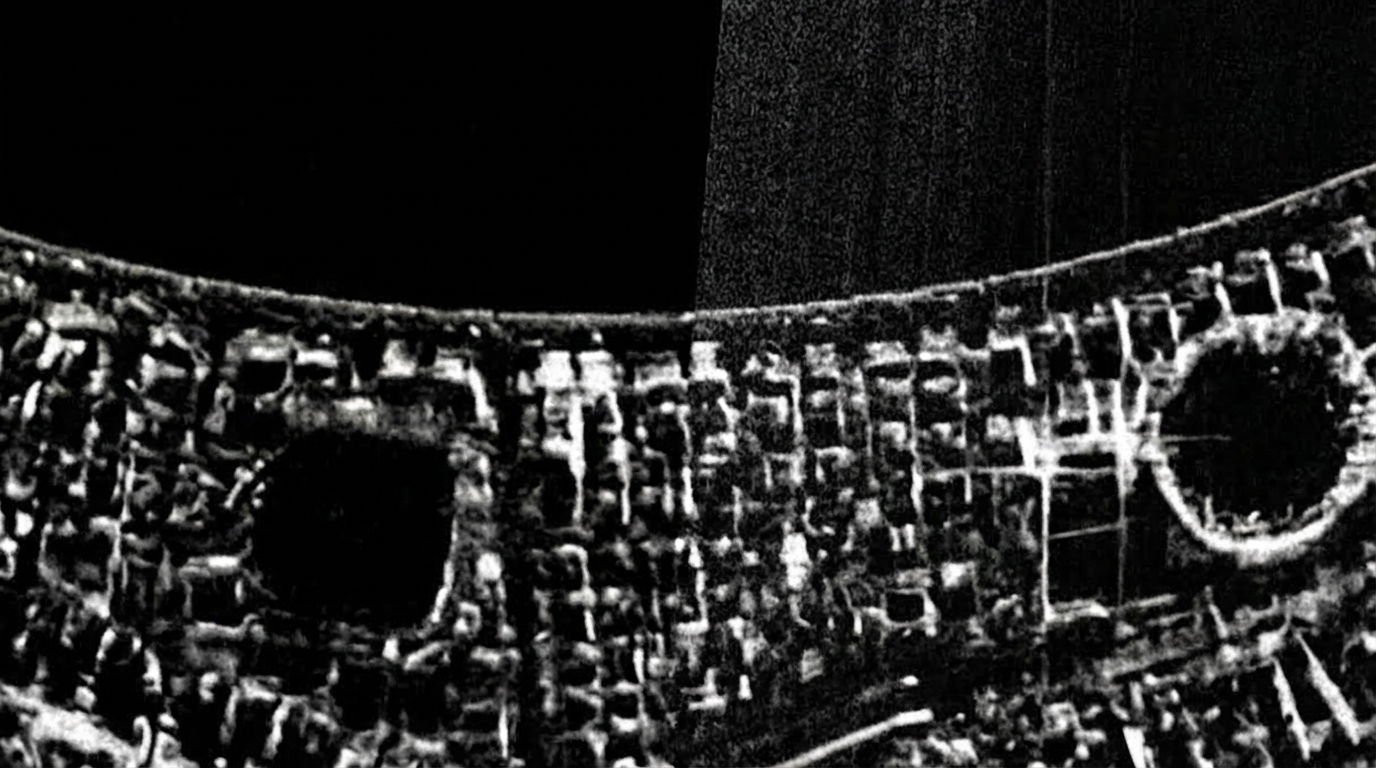
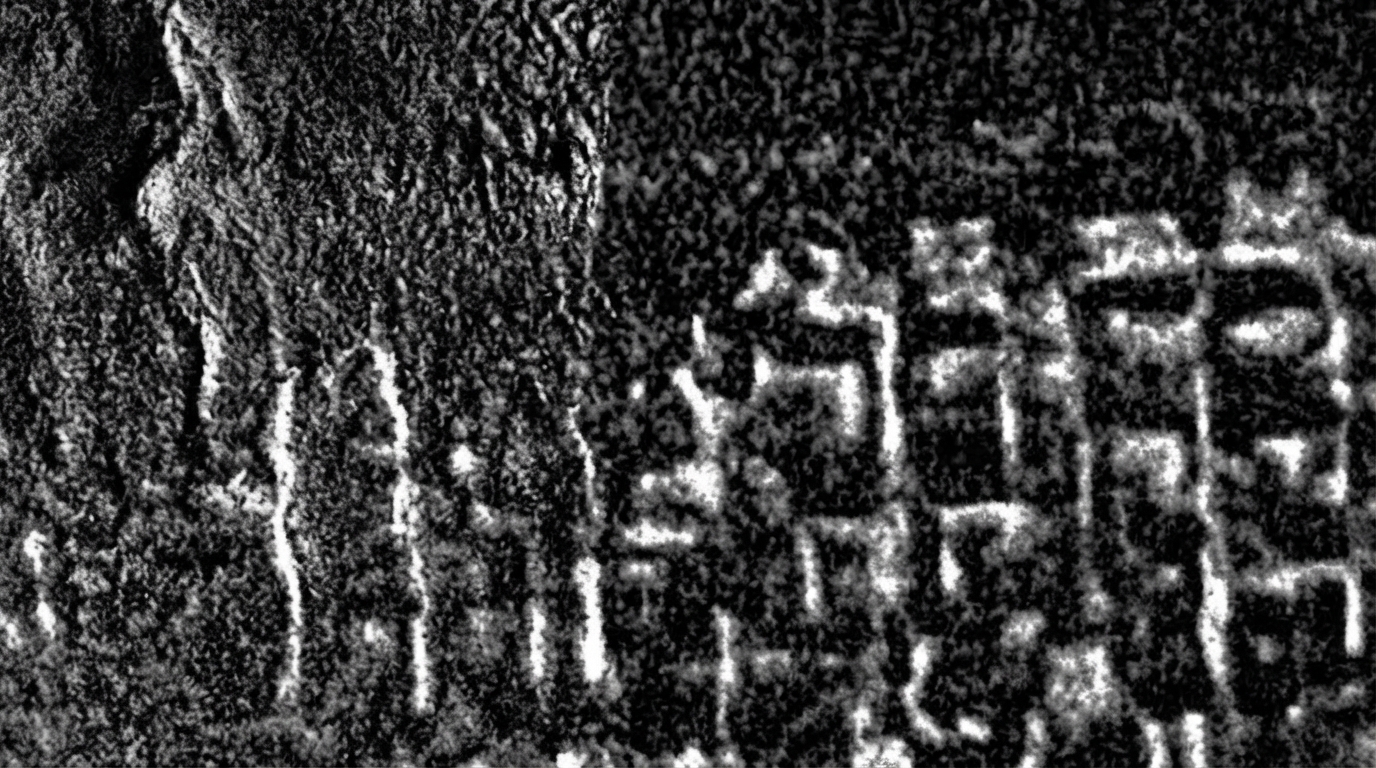
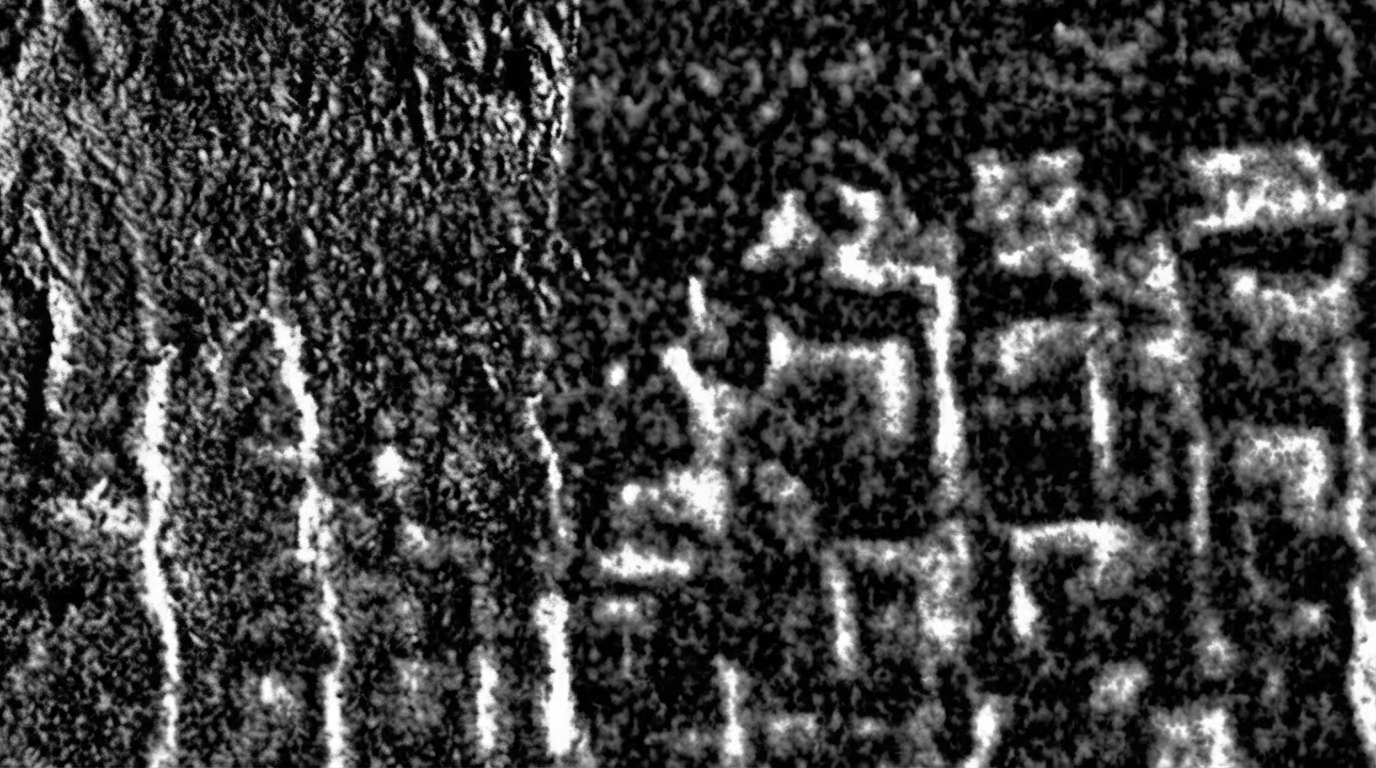
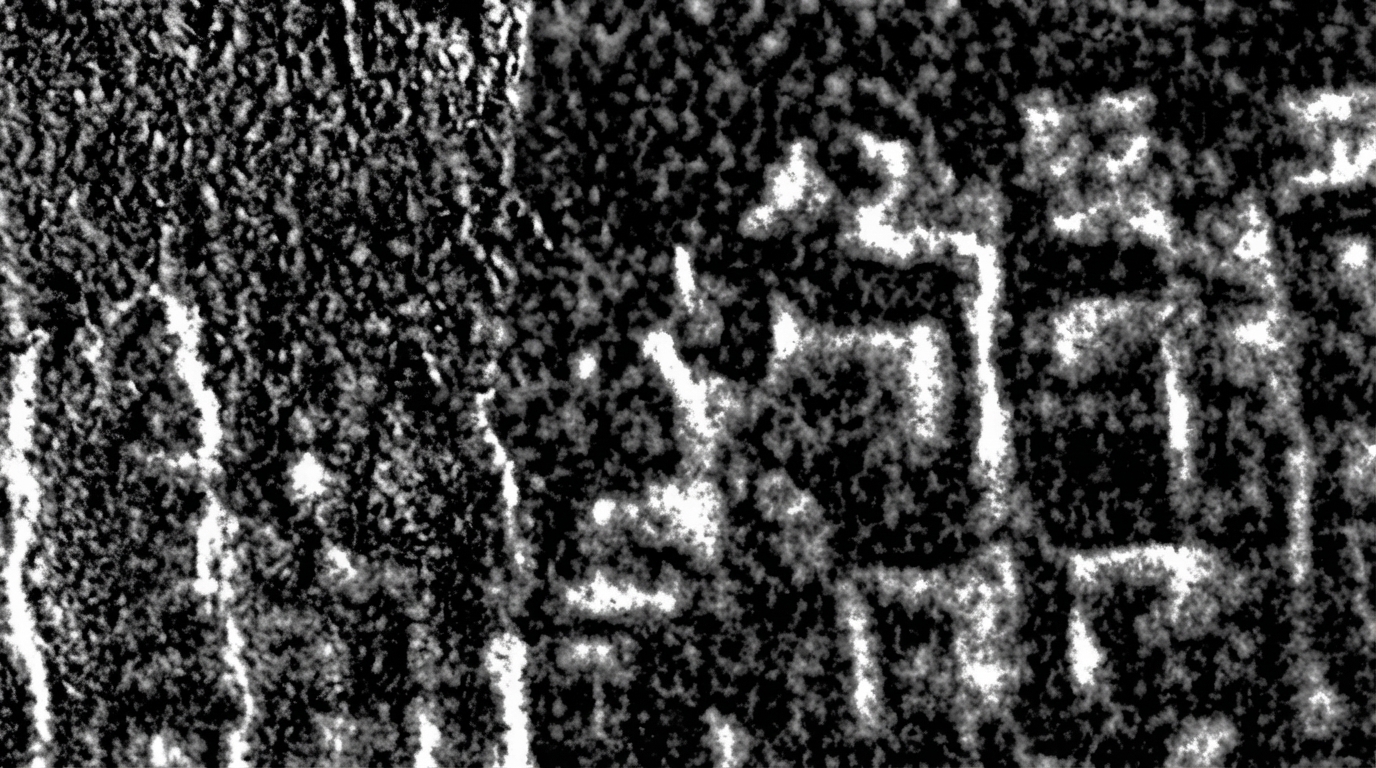
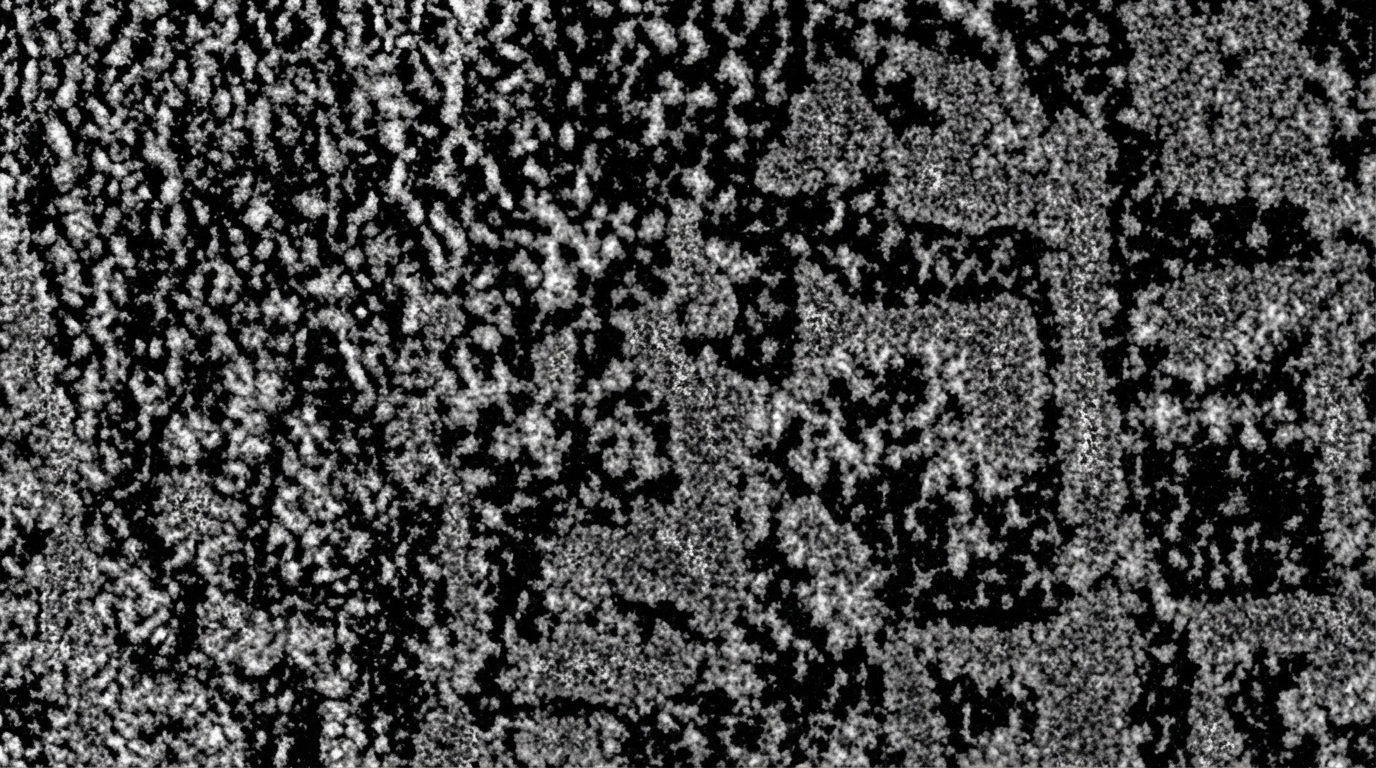
Zoom enters these images at the threshold of their legibility and moves through them recursively, frame by frame, using Google Flow's generative engine as a kind of forced zoom: not into the subject, but into the image's own logic of representation. What begins as readable data progressively loses its function. Structure gives way to texture. Texture gives way to noise. The image no longer knows what it was of.
After Harun Farocki's operational images and Hito Steyerl's poor image theory, this work asks what happens when an image made to see: to target, to diagnose, to map: is instead watched until it forgets itself.
Each series begins with a single operational image fed into Google Flow. The output is cropped, then fed back as the next input, a recursive loop that forces the model to continuously re-interpret its own generation. The grid reads left to right, top to bottom: twenty-five iterations of a single image forgetting what it was.